Spotting pygmy elephants, eating UFO tarts: Why Sandakan should be on your Sabah travel list
One curious fact about human nature is that the grass is invariably greener on the other side.
This came into focus when I visited Sandakan, Sabah, in Malaysian Borneo, which is just a hop, skip and budget airline journey away.
The place was teeming with Europeans who had travelled 10,000 km southeast to see hornbills and macaques in their native habitat.
Meanwhile, us Singaporeans are travelling 10,000 km northwest to appraise Aperol spritzes in their natural habitat.
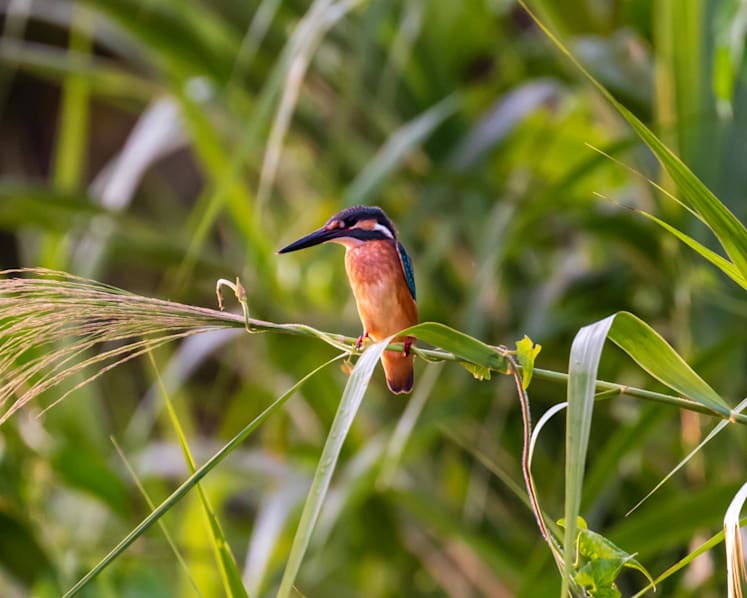
Northeastern Sabah attracts, en masse, the kind of eco-travellers who have enormous telephoto lenses and like to aim them at something you can’t see in the trees even if you squint very hard, causing you to wonder if you are a victim in a hidden camera prank, until you finally espy the red breast of a Hello Kitty-sized kingfisher (viz, two apples tall).
But, while MacRitchie Reservoir may be overrun with protein bar-snatching monkeys and Pasir Ris residents may be chasing hornbills out of their HDBs, one thing you certainly will not find in Singapore is wild pygmy elephants.
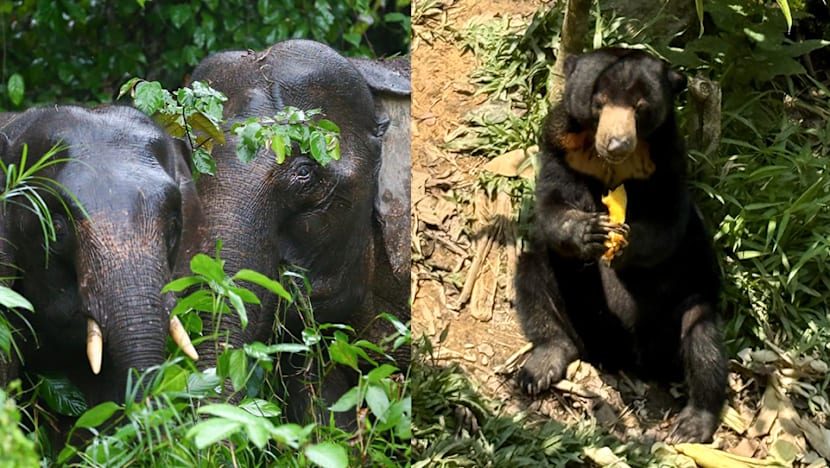
Well, you won’t find regular-sized elephants, either. But, in Sabah, apparently, these trundling oxymorons exist. And, they exist alongside sun bears, orangutans and crocodiles, oh my!
And so, sheer curiosity lured me there. I really wanted to see a fun-sized elephant.
REAL-LIFE RIVER SAFARI
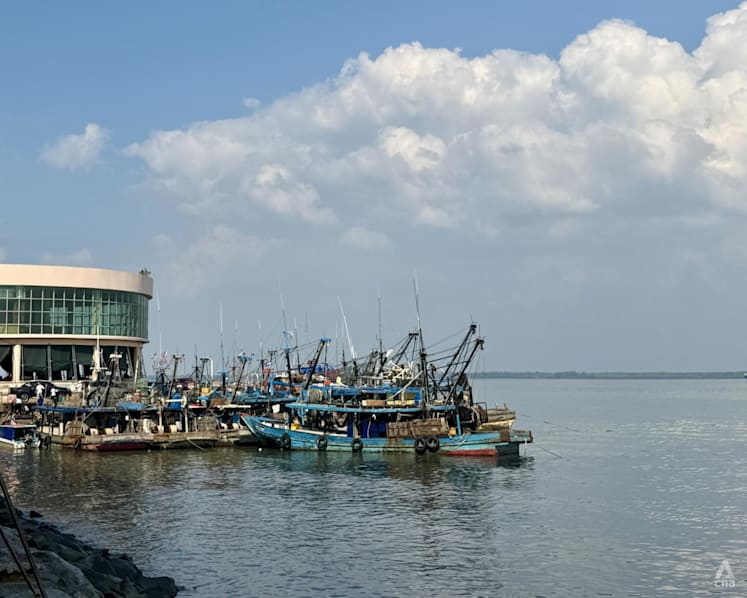
We began by flying into Sandakan, the gateway to some of Borneo’s extraordinary wildlife.
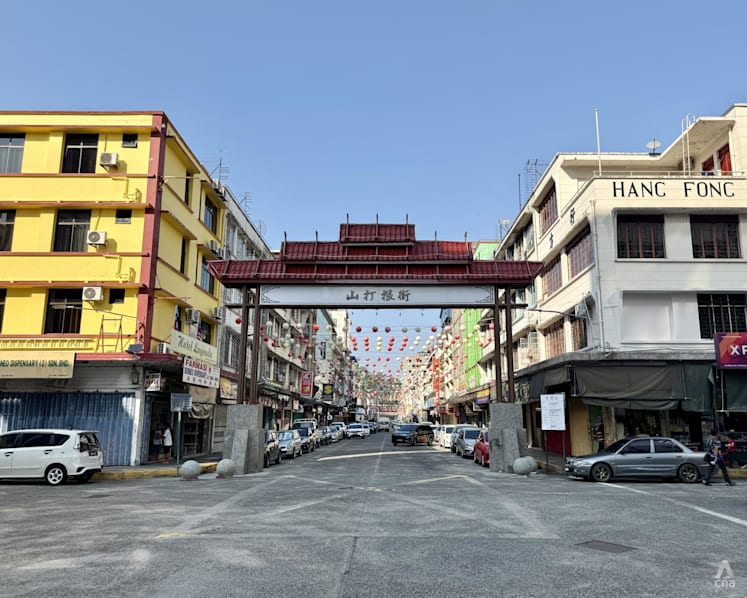
Sandakan is a quiet harbour town that today holds lots of nostalgic charm. Historically, it was once an important port city and a major timber-export hub, and, thanks to its Chinese settlers of largely Cantonese and Hakka origin, gained the moniker “Little Hong Kong”.
We checked into the Ormond Sandakan, the only four-star hotel in the city centre, from which the harbour area is easily explorable on foot. The building was previously a Four Points by Sheraton but reinvented itself earlier this year under the Ormond Group, which also owns the very design-forward Chow Kit boutique hotel in Kuala Lumpur.
The Ormond Sandakan, contrastingly, has a more relaxed, coastal vibe, with expansive rooms that offer a panoramic view of the ocean, and even a rooftop infinity pool from which to catch the city’s best sunset views.
Located directly on the waterfront, the hotel is right beside the Central Market where you’ll find local produce and hawker stalls; the old town with its artsy streets and local cafes; and a shopping mall for everyday conveniences. Walking along the harbour, you will see markets, kopitiams, fishing boats and beautifully faded pastel buildings.
From here, the Lower Kinabatangan Wildlife Sanctuary is a two-hour drive away, and one of the best-known places for spotting the local “big five”: Pygmy elephants, proboscis monkeys, rhinoceros hornbills, orangutans and saltwater crocodiles.
The river safari is experienced by open boat, and the captains are adept at catching even the slightest movements on the riverbanks.
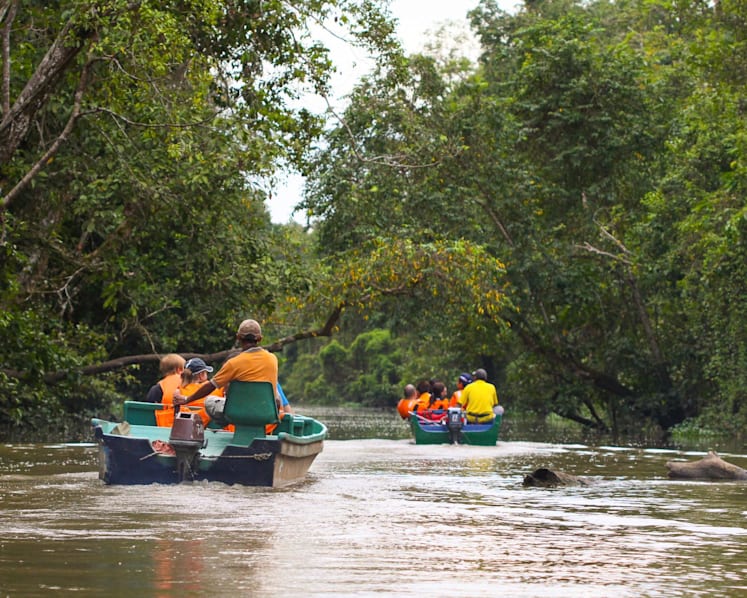
The first thing we spotted was a crocodile, which was statistically likely: Theirs is a conservation recovery story. In the early 1980s, the crocodile population here had collapsed as the reptiles were hunted for their skins and meat. But, Sabah introduced statewide protection, and the population is now in the healthy range. Do not fall off your boat as they are the main predators here, growing up to five metres long and living up to 60 years, according to our guide.
Then, in rapid succession, we halted to admire a lesser fish eagle and a monitor lizard, before some swaying treetops gave away the presence of some leaping primates: a little group of proboscis monkeys, just casually doing some acrobatics on a Sunday afternoon.
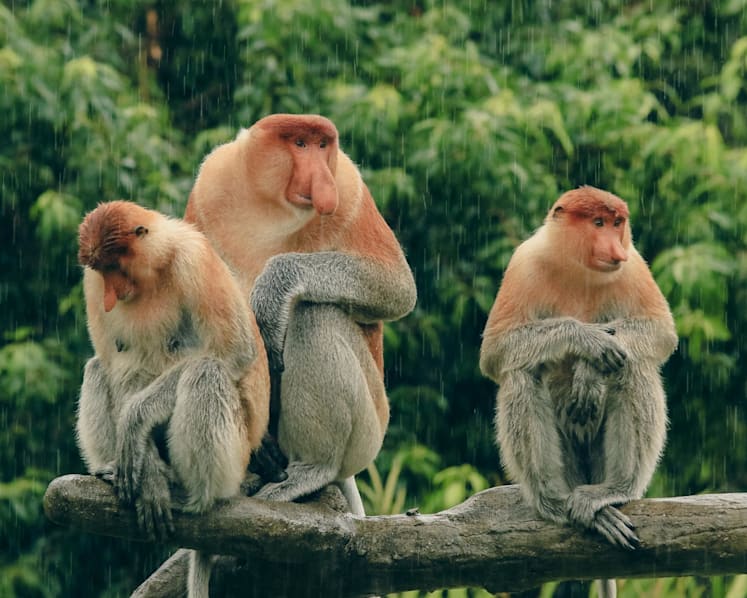
Famous for their pot bellies, bulbous noses and get-off-my-lawn expressions, these monkeys are found nowhere in the world except Borneo, so it was very special to see them in their natural habitat.
We knew we’d need a large stroke of luck to spot a pygmy elephant, which is considered the safari jackpot. Unbelievably, that luck was on our side. The boat throttled back sharply, and, emerging from the trees into a little clearing high up on the river bank, there was an elephant!
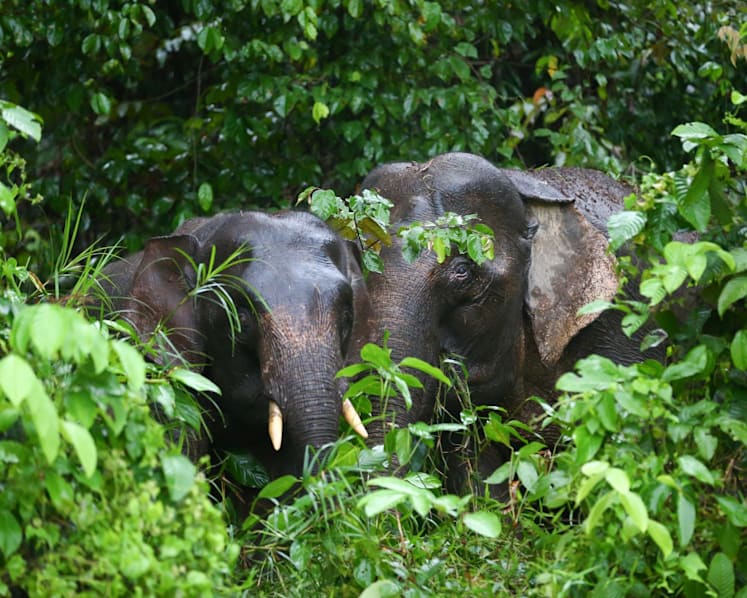
The solitary male lumbered through the brush, taking his time. Even so, it was a flash of a moment, as the density of the trees swallowed him up again.
But, as if that moment wasn’t magical enough, a while later, we circled back to the spot: He’d descended into the river and was taking a nice little bath.
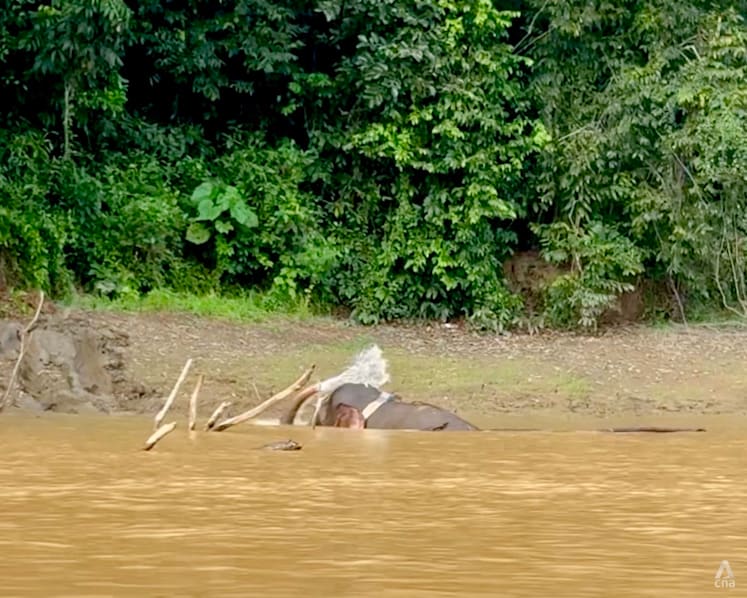
The pygmy elephant is found only on the island of Borneo and despite the name, they're not really miniature. They’re just smaller than most other Asian elephants, with adult males standing roughly 2.5m at the shoulder. Kind of like if Yao Ming had a “short” brother, I guess.
The short king performed his evening ablutions wholly unbothered by the numerous boats that had stopped to gawk, shameless voyeurs in someone else’s shower routine.
So, yes, you may have seen bigger, but you will not have seen a little big guy so confident in his own skin.
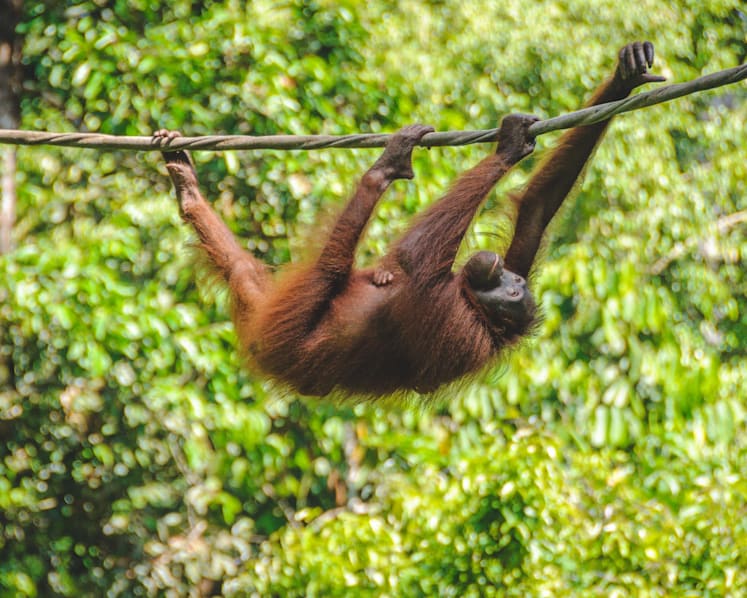
We didn’t manage to spot any orangutans on the river. But, that was no biggie, because we headed to the Sepilok Orangutan Rehabilitation Centre to see them.
When it was established in 1964, the centre was the world’s first facility dedicated to rehabilitating orphaned and rescued orangutans. It provides medical care and teaches them the skills needed to survive independently before releasing suitable animals back into the protected rainforest.
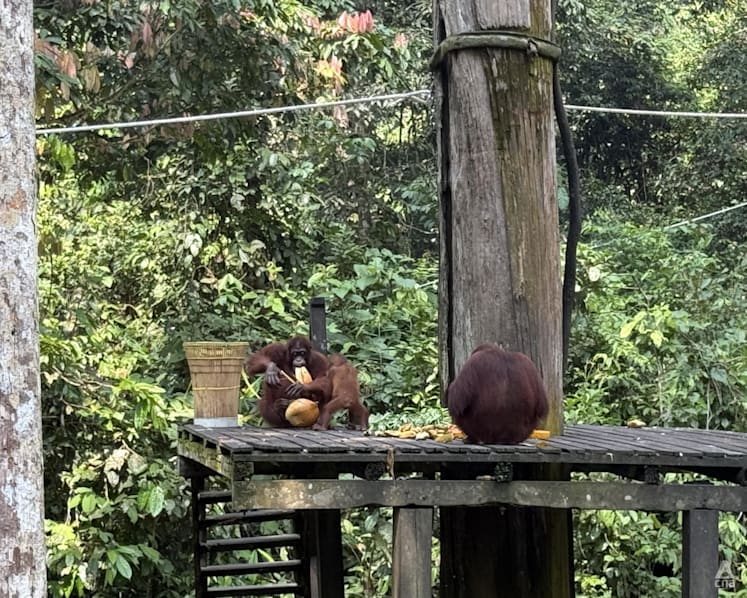
Visitors can traverse a boardwalk surrounded by trees through which free-roaming orangutans live and play. There are feeding platforms where you can view them at fixed feeding times, but, depending on the fruiting season, you may not see many rocking up to the free salad bar. That’s how you know the centre’s conservation efforts are successful, as it means the apes are doing perfectly well surviving independently in the wild.
Right next door is the Bornean Sun Bear Conservation Centre, where you can learn about the world’s smallest bear species that’s native to the island.
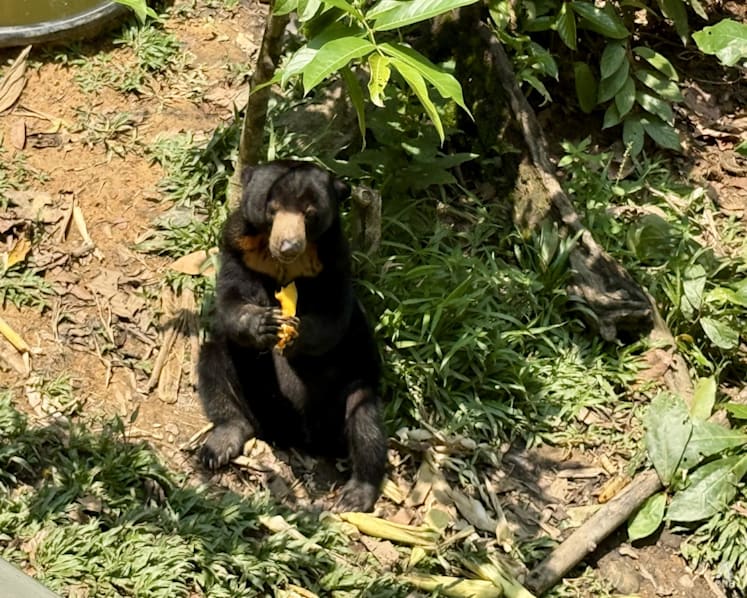
About 40-odd bears are currently under the centre’s care, having been rescued after being illegally kept as pets or found orphaned or displaced in oil palm plantations. Placards display their stories: Several were bought by kind members of the public so that they could be rescued from a life of living inside a cage. One had even been kept as a pet after a villager mistook him for a dog.
They do, in fact, look like good boys and girls. Apart from, you know, the large claws, round ears and propensity to climb and sleep in trees.
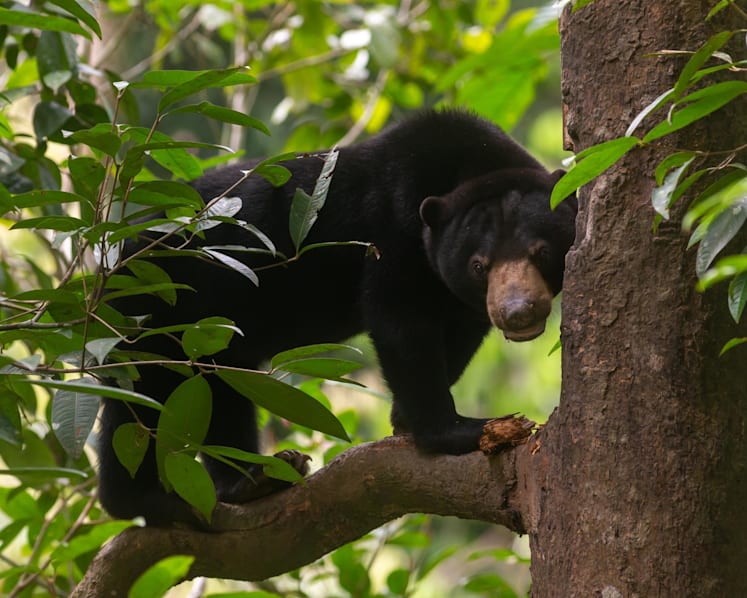
So, yes, the Sabah Wildlife Department, the state government agency responsible for wildlife protection and conservation, is doing a great job, or, in other words, “muy bien” and “sehr gut”, if you ask the many tourists I overheard speaking Spanish and German.
There aren’t that many places in the world, after all, where you can come to admire these magnificent primates climbing, swinging and raising their young as nature intended.
TRACES OF THE PAST
Apart from wildlife, the area also has much to offer for war history buffs. Once the capital of British North Borneo, Sandakan was largely destroyed during World War II and is associated with the tragic Sandakan Death Marches.
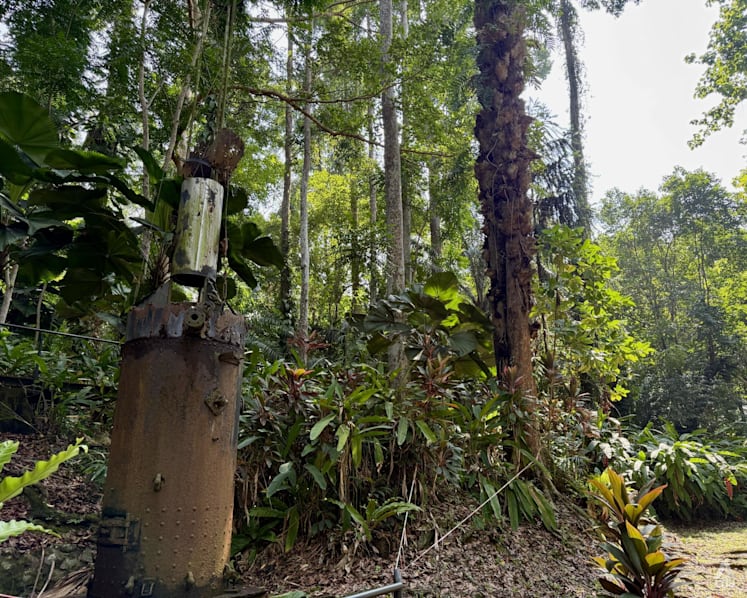
During the Japanese occupation, thousands of Australian and British prisoners of war, many captured during the fall of Singapore, were transported here for forced labour. More than 2,400 of them perished. Locals suspected of aiding the prisoners weren’t spared, either. By the end of the war, only six Australians had escaped and survived the infamous Sandakan-Ranau death marches. Those who lost their lives in the war are commemorated at Sandakan Memorial Park, which is open to visitors.
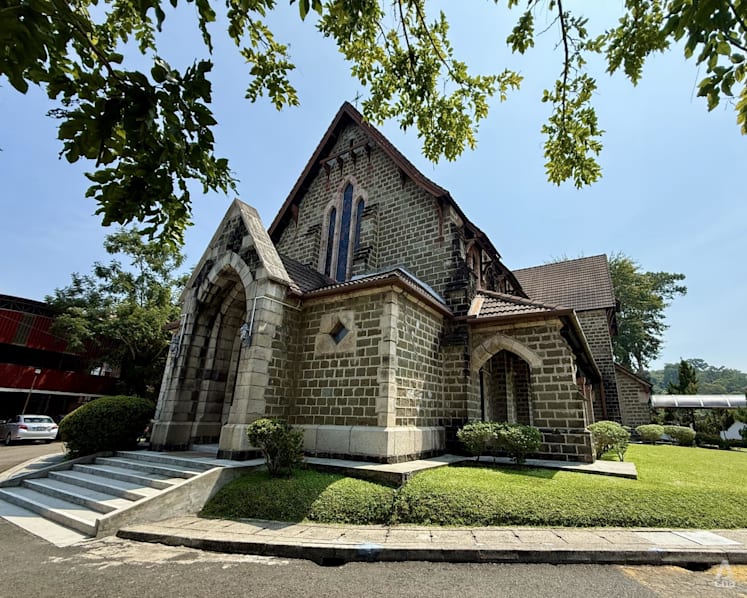
While Sandakan was devastated by bombing towards the end of the Japanese occupation, the Anglican church of St Michael and All Angels survived comparatively intact. Constructed in the 1890s from local stone, its Gothic-style architecture stands as one of the city's oldest surviving stone buildings. A visit here draws the eye to the stained-glass Windows of Remembrance, donated by Australians to commemorate the Allied prisoners of war.
Nearby is the Agnes Keith House, one of Sandakan's most interesting heritage sites that paints an immersive picture of life in British North Borneo.
Agnes Newton Keith was an American writer whose 1939 memoir Land Below The Wind, along with other books, chronicled her life here.
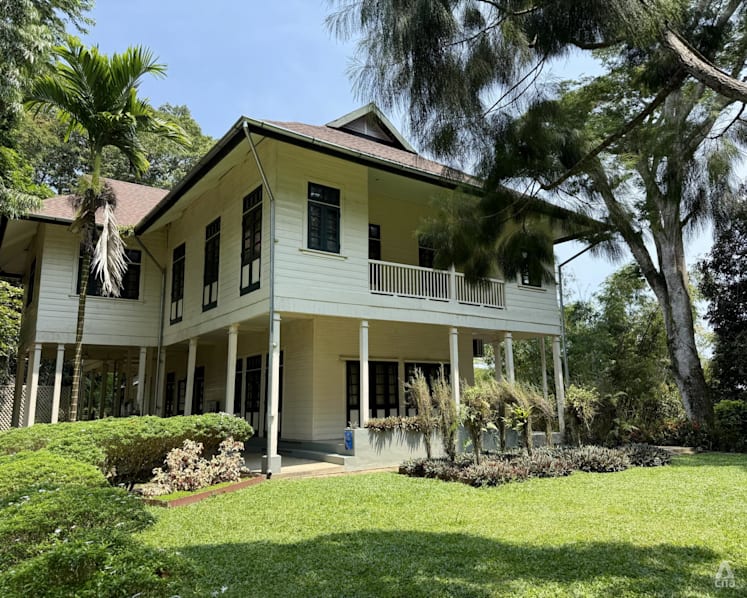
The original house was destroyed during the war, but after it ended, she and her British husband, who was Conservator of Forests for the region, returned to Sandakan and rebuilt their home on the same hilltop site. The present two-storey timber house recreates the family's domestic life with period furniture, photographs, books and other exhibits.
After wandering through the house, you can pop round next door to the English Tea House for tea and scones. Look for the photograph on the wall of Agnes smiling with a baby orangutan in front of a tree, then spot the same tree that still grows by the verandah.
SEAFOOD BAK KUT TEH, TARTS NAMED AFTER COW POOP
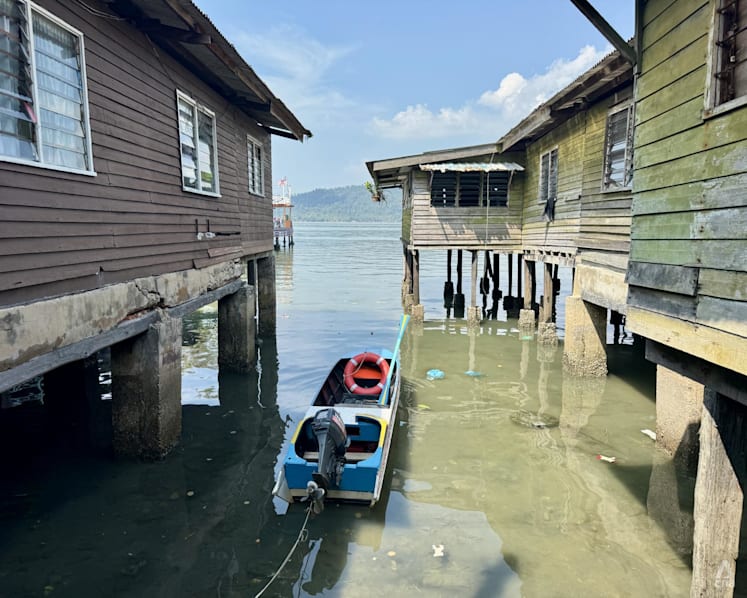
For the foodie crowd, Sandakan is also known as the origin of very fresh seafood. In fact, some of the wild-caught produce served in many acclaimed restaurants in Malaysia and Singapore are from these very waters.
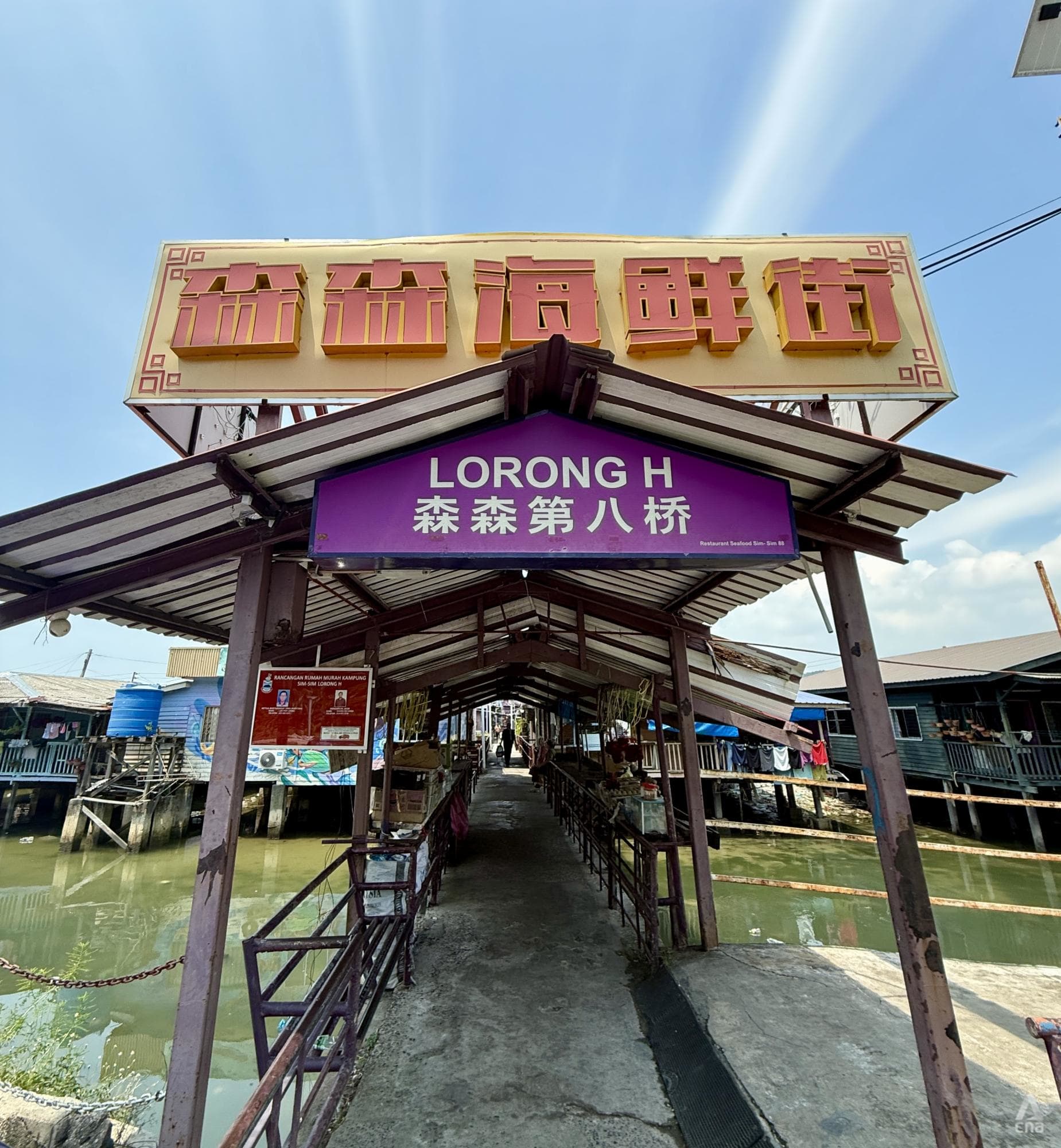
Here, a seafood zi char meal is a must. Sim Sim Seafood Restaurant H90 is a popular kelong-style eatery located on the water. They serve a range of seafood from crabs to mantis prawns, sea snails and large clams. Ask for the freshest catch of the day – it will taste great even if you just have it simply steamed.
The seafood is so fresh in Sandakan that even the bak kut teh substitutes seafood for pork. Nam Chai Restaurant Bah Kut Teh is an old-school eatery that specialises in this dish, with a broth that’s more soy sauce-based and less herbal than Klang-style bak kut teh. You can get a whole fish or prawns in bak kut teh soup, as well as pork and pork offal.
Even without leaving the hotel, we were able to enjoy the local seafood at its restaurants, including the newly opened Pietro, which explores what a contemporary restaurant can do with that same extraordinary Sabah seafood through Mediterranean techniques. They have a Josper charcoal grill for seafood, meats and vegetables; and a wood-fired brick oven for pizza. A seafood platter will give you a sampler of the best of the ocean.
Other interesting local eats include a stall on the top floor of the Central Market dishing out one of Sandakan's classic old-school breakfast dishes, kway teow noodles with fried pork. The marinated, deep-fried pork slices crown the kway teow, which you can have in sauce or in soup. The noodles get their flavour from spring onion, fried shallots, soy sauce and lard.
The stall is a Sandakan breakfast institution that local sources say dates back to around 1940, making it an integral part of the food culture created by the city's longstanding Chinese community.
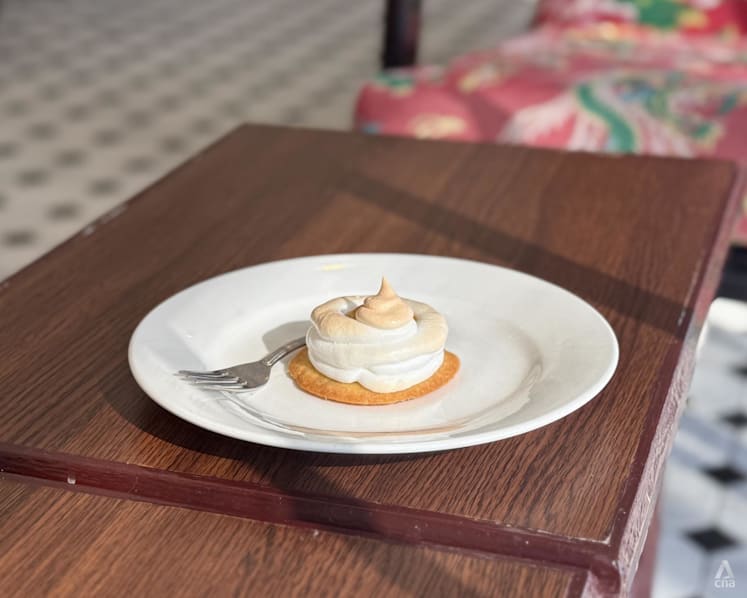
Then there’s the UFO tart, a Sandakan specialty strongly associated with local kopitiam culture. Local lore says the custard and meringue pastry was created accidentally when a Hainanese baker over-baked a batch of tarts. It’s traditionally known by its much less glamorous name of cowpat tart – “pile of cowdung” in Cantonese – before its flying-saucer shape earned it the more marketable UFO moniker.
San Da Gen Kopitiam is one of the new generation-owned cafes that has begun to revive and reinterpret the pastry, which varies from shop to shop – some have a biscuity base, while others are more cake-like.
In doubt, speak to any of the locals, who will happily tell you what to eat, where to go and why their favourite place is better than the one you were about to visit.
Sandakan may lose many of its young people to bigger cities, and nearby Kota Kinabalu may get more of the tourist attention, but you’ll still find a lot of heart and sincerity in this off-the-beaten-track seaside town that moves at its own steady pace to the rhythms of land, sea and tradition.
For those in search of a compelling little escape, there’s enough here to make a few unhurried days surprisingly rewarding. The people with the giant telephoto lenses had the right idea, after all.
CNA Lifestyle was in Sandakan at the invitation of Ormond Sandakan. This trip took place before the recent haze affecting parts of Borneo. Travellers should check the latest air quality conditions before visiting.
KioskNews shows a cleaned-up reading view extracted from the publisher’s page — the original always lives on their site, not ours.