Government to tighten facial recognition rules for police amid human rights fears
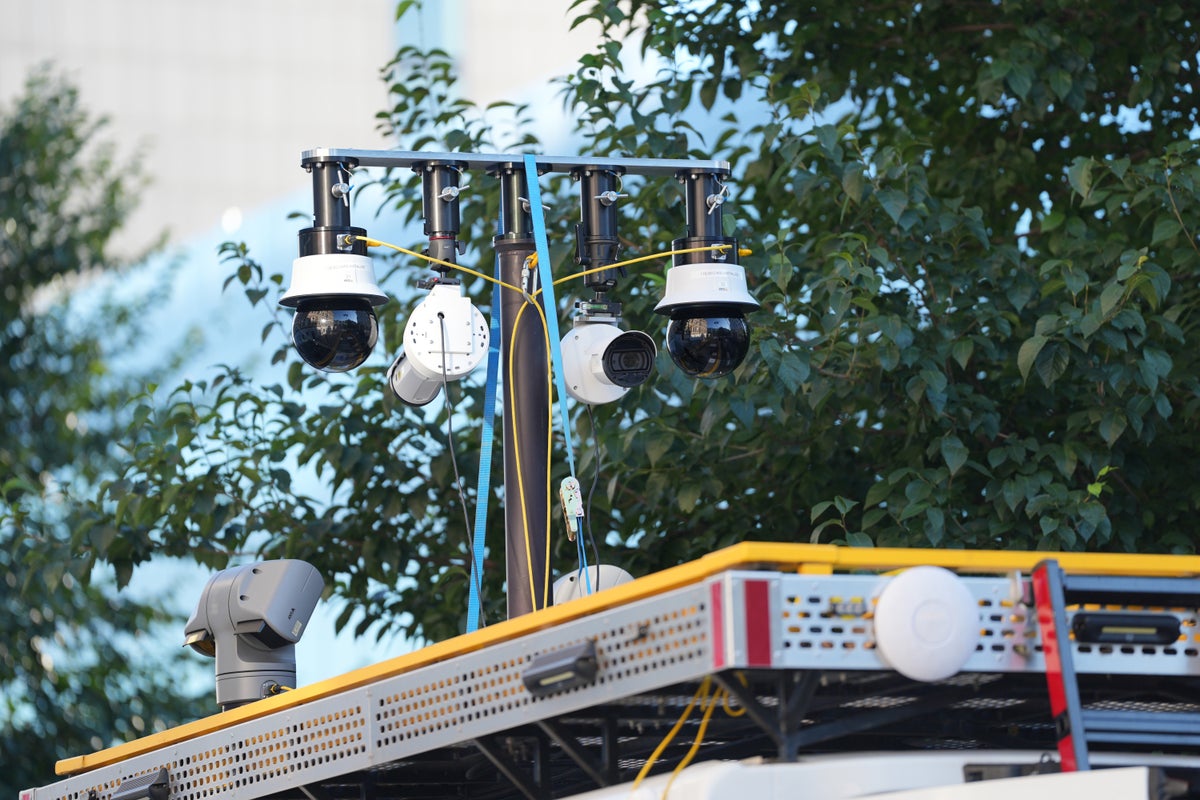
The Government has pledged to bring in tougher protections around the use of facial recognition technology so that police can use it “fairly and safely”.
The Home Office credited the technology for catching thousands of dangerous criminals every year.
But human rights groups have repeatedly raised concerns about people being scanned without consent, and the risk of people being arrested in cases of mistaken identity. They have called on ministers to introduce strong safeguards before the technology becomes pervasive.
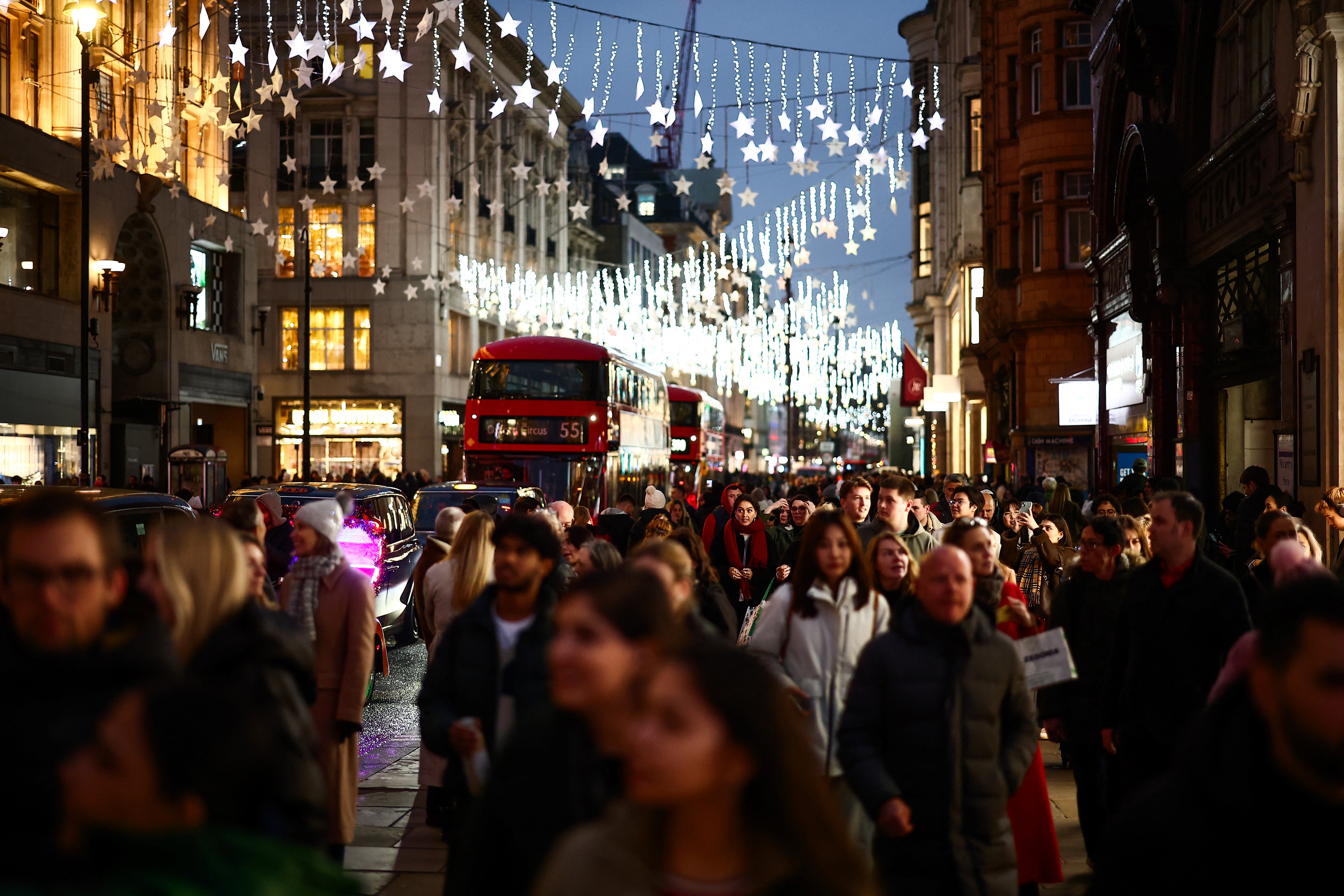
This development comes just weeks after it was revealed live facial recognition tech (LFR) would be installed on London’s Oxford Street before Christmas, just in time for the busiest shopping season of the year.
If the cameras are installed next month as scheduled, Oxford Street would become one of the first places in the country to have the technology permanently in place to scan people’s faces and compare them with a list of wanted suspects.
Home Secretary Shabana Mahmood said facial recognition tech had been “the biggest breakthrough for catching criminals since DNA matching, already helping police take thousands of dangerous criminals off our streets.”
A new watchdog would be established to oversee police use of the technology, potentially with the ability to ban forces from using it if they do not meet standards, the Home Office said.
Laws would also be introduced into Parliament under the Police Reform Bill to ensure the use of facial recognition by police is “intelligence-led and proportionate”, so they could only use it when they believe wanted people may be in a particular place.
Police forces would also be instructed that the cameras need to be “rigorously and independently tested against bias or discrimination of age, gender or race”, government officials added.
The move follows public consultation into the proposition.
‘A step in the right direction’
Human rights advocacy group Liberty welcomed the announcement as a “step in the right direction”, but added a caveat.
“Now that the Government has recognised stronger legislation is needed, it must now finally hit pause on the rapid rollout of facial recognition technology until this is in place with the robust transparency, oversight and safeguards needed to protect us all.”
Big Brother Watch, which describes use of live facial recognition for mass surveillance as “Orwellian”, said in comments to the Press Association: “The public have spoken loud and clear in the consultation, raising the alarm that facial recognition erodes our freedoms and privacy and is turning Britain into a surveillance state. It is totally inadequate for the Home Office to respond with promises of codes of practice that offer little legal accountability if breached.”
Fixed LFR cameras were used during a trial in the south London borough of Croydon between October 2025 and March 2026.
During that time, they were credited with leading to 173 arrests, including suspects wanted for rape, kidnap and sexual assault.

Since January 2025, Metropolitan Police reported 2,631 arrests following the use of LFR.
Officers also arrested more than 100 registered sex offenders who were found to be in breach of their conditions, the Government said.
Independent testing published by the National Physical Laboratory confirmed the algorithm behind LFR showed “no statistically significant demographic differential bias in operational performance”, the Home Office said.
Former head of Counter Terrorism Policing Neil Basu said the consultation had been essential for ensuring facial recognition technology was accepted.
“Like all new technologies, live facial recognition had a difficult start and the consultation was absolutely necessary to ensure this new technology was acceptable to the wider public.
“With a real police officer making the final decision a human one, and with the proper legal safeguards and independent oversight in place, I have no doubt LFR will catch many more criminals and make us all much safer.”
KioskNews shows a cleaned-up reading view extracted from the publisher’s page — the original always lives on their site, not ours.