What led to Iran-UAE consensus: Ceasefire window, 100-hour talks, back-and-forth at top level, nudge from China and Russia
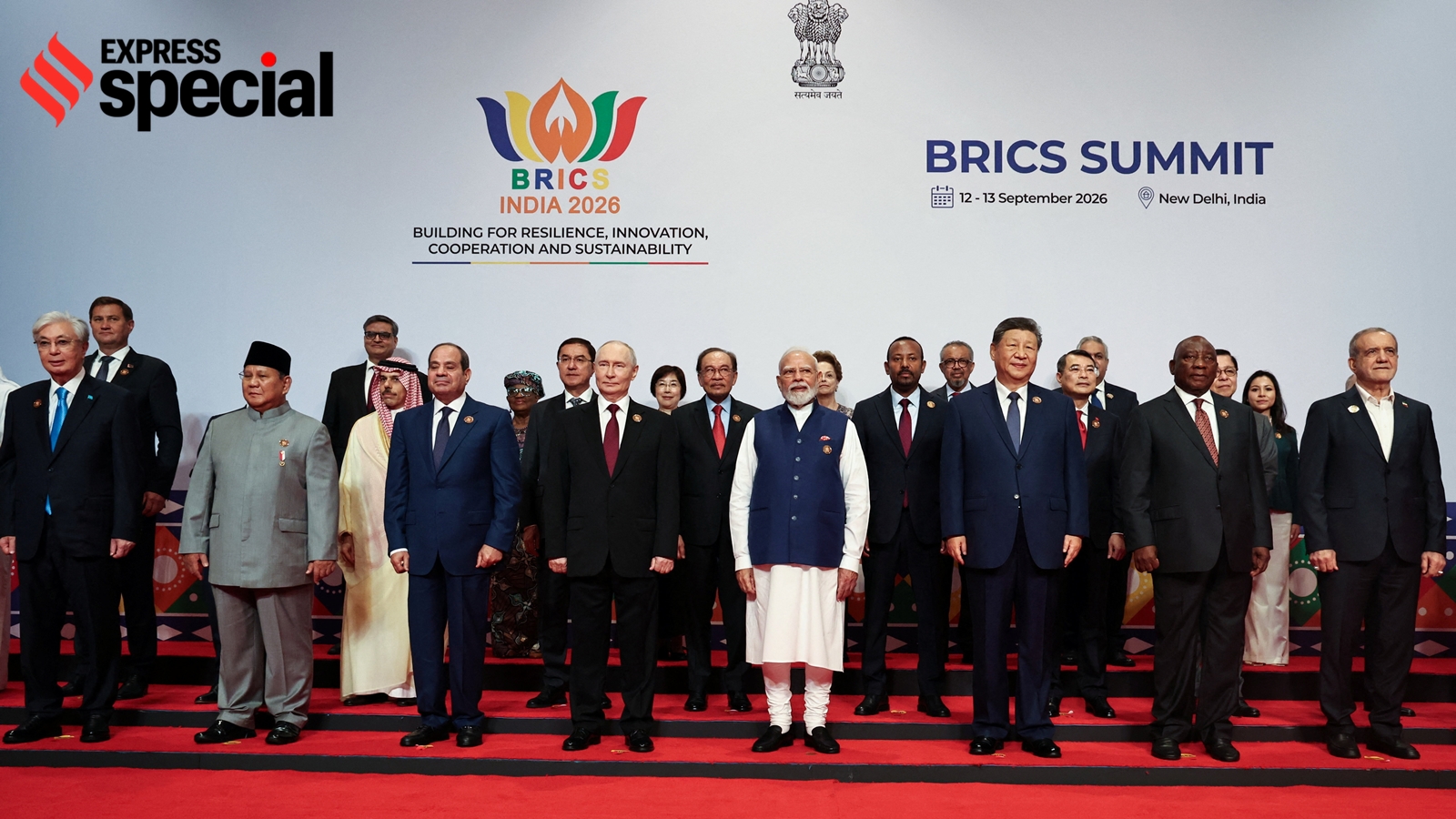
A narrow ceasefire window, talks at the highest level, a nudge from Beijing and Moscow, support from Egypt and Brazil, and nearly 100 hours of down-to-the-wire negotiations by Indian diplomats — with experience ranging from Geneva and Washington to Beijing and the WTO — fell into place to produce the fraught consensus on the war in West Asia in the BRICS joint declaration Saturday.
Speaking to officials involved, The Indian Express has pieced together this journey, which began 17 days before the US and Israel attacked Iran and killed its Supreme Leader Ali Khamenei.
It was at the first BRICS Sherpas meeting, held in New Delhi from February 9 to 11, that priorities under India’s chairship were outlined. Once war broke out on February 28, the rulebook went for a toss.
At the second Sherpas’ meeting, from May 11-13, a diplomat said there had been a “vibe shift,” with the “Iranians and Emiratis” unable to “see eye-to-eye.” At the Foreign Ministers’ meeting days later, on May 14-15, all that could be put on record was a statement noting “differing views among some members” over West Asia, with members expressing their “respective national positions.” Nothing more.
Then the Indian team got to work. BRICS Sherpa Sudhakar Dalela, assisted by Sous Sherpa Shambhu Lingappa Hakki, along with Joint Secretaries Rajiv Bodwade and Dr Basir Ahmad and Director Mini Devi Kumam, began reaching out to counterparts in other member countries — drawing on Dalela’s background in trade and economic policy, Hakki’s stint in China and fluency in Mandarin, Behind them was the wider expertise of officials at the Multilateral Economic Relations (MER) wing of the Ministry of External Affairs.
The 60-day ceasefire between the US and Iran, before it lapsed in August, opened a window of opportunity. Indian officials began reaching out to the UAE and Iran to press the case for a BRICS consensus. Prime Minister Narendra Modi and UAE ruler Mohamed bin Zayed spoke during Modi’s visit to the UAE on May 15; Iranian President Masoud Pezeshkian spoke to Modi on June 22, when the consensus issue also came up.
In parallel, External Affairs Minister S Jaishankar spoke to his counterparts in Iran and the UAE, while NSA Ajit Doval reached out to his counterparts during the BRICS NSAs meeting on June 22-23.
Story continues below this ad
Indian Ambassador to the UAE Deepak Mittal and his counterpart in Iran, Rudra Gaurav Shresth, were asked to approach their capitals and do the spadework. Unsurprisingly, positions hardened on both sides, with red lines firmly drawn.
Modi’s visit to Bishkek for the SCO leaders’ summit from August 30 to September 1 offered a chance to meet Pezeshkian. It is learnt he was told that as a new BRICS member — Iran and the UAE joined in 2024 — it would not reflect well if the grouping failed to reach consensus, and that since this would be his first visit to India, he should be part of a “successful” summit.
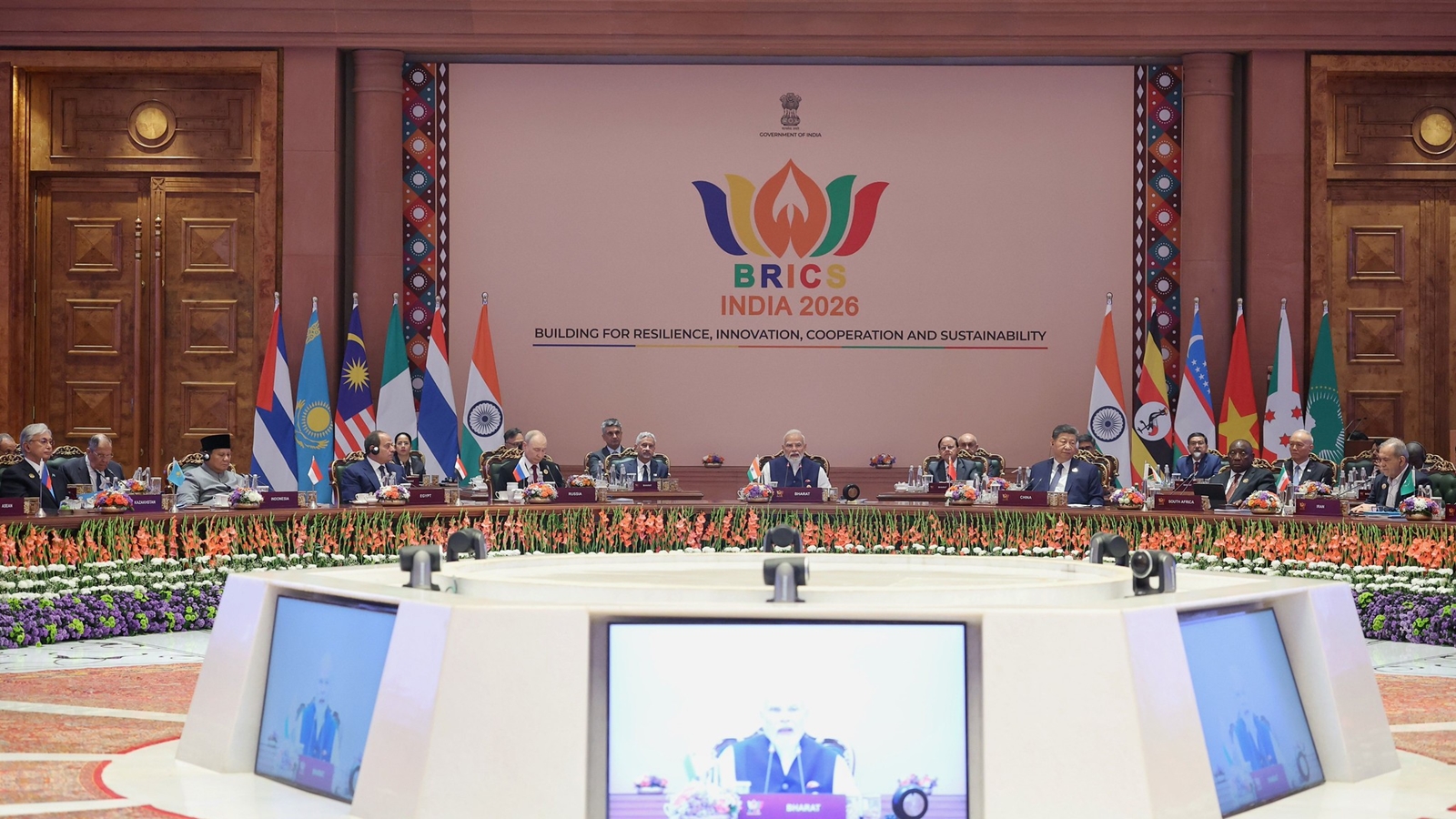 Prime Minister Narendra Modi addresses a session on the second day of the BRICS Summit in New Delhi, Sunday. On the right are Chinese President Xi Jinping, South African President Cyril Ramaphosa and Iranian President Masoud Pezeshkian; on the left are Russian President Vladimir Putin, Egypt’s President Abdel Fattah El-Sisi, Indonesian President Prabowo Subianto and Kazakhstan President Kassym-Jomart Tokayev. (Image source: MEA)
The groundwork had already been laid by Dalela’s team in negotiations with the Iranian Sherpa, but Tehran wanted the matter raised at the leaders’ level. Pezeshkian’s team said he would revert after consulting the top leadership, particularly the IRGC and Supreme Leader Mojtaba Khamenei, who have the final word on foreign and strategic policy in wartime.
Within days, Tehran responded it was willing to go the extra mile, since it should not be blamed for a war started by the Americans. This was the first breakthrough, sources said.
Story continues below this ad
That gave momentum to talks with the UAE, which had been less enthusiastic. Sherpas worked overtime in the final days: sentences and paragraphs were projected on a screen in Delhi as they argued over formulations. Changes were made, suggestions struck down or accepted, and any sentence lacking consensus was flagged in square brackets — removed as agreement was reached. Central to the consensus was that neither the US nor Iran could be named.
China and Russia stepped in as well in the final countdown, with Brazil and Egypt playing a supporting role with both sides. “The Iranians had come around, but the Chinese and Russians leaned on the UAE to sign off on the language,” a diplomat said.
Hanging over the talks was the possibility of no joint declaration at all. “That would have been portrayed by Western countries as a failure. So it was in the interest of both UAE and Iran, and China and Russia helped in convincing them,” the diplomat said.
All of this led to Paragraph 28: “We express deep concern over the continued escalation of tensions in Middle East/West Asia and, recalling our respective national positions, call for exercising maximum restraint, as well as avoiding actions that could further aggravate the situation.”
Story continues below this ad
The declaration, accepted by both the UAE and Iran, acknowledged the sensitivities of each side by flagging territorial sovereignty and the need to protect civilian lives and infrastructure — a nod to the UAE, which has faced Iranian strikes on its cities, with Tehran calling it a proxy of the United States.
“We urge to ensure the protection of civilians and civilian infrastructure in accordance with the purposes and principles of the Charter of the United Nations in their entirety and interconnectedness, including respect for the sovereignty and territorial integrity of the States,” the declaration said. “We encourage increasing efforts, through dialogue and diplomacy, towards a long-term understanding that will contribute to lasting peace, security and stability in the region. We stress the need to work together to maintain smooth flow of global trade, supply chains and energy, in accordance with applicable international law.”
Unlike the G20 declaration of September 2023, New Delhi did not have a large, dedicated secretariat this time. Back then, former bureaucrat Amitabh Kant, as G20 Sherpa, led talks with a high-profile team of diplomats on deputation to the secretariat.
This time, the negotiating team was essentially the MER division of the MEA, led by Secretary (Economic Relations) Dalela. Of the 12 diplomats and officials in the 31-member division, five played key roles:
Story continues below this ad
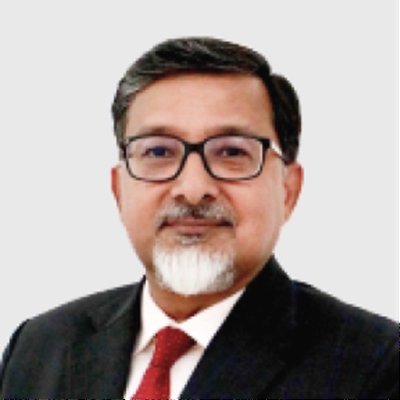 India’s BRICS Sherpa Sudhakar Dalela
Sudhakar Dalela, BRICS Sherpa — a 1993-batch IFS officer who began his career in Tel Aviv and speaks Hebrew. He has served in missions in Brasilia, Chicago, Dhaka, Geneva, Thimphu and Washington DC, and was Ambassador to Bhutan (2022-2025). He was also Director in Prime Minister Manmohan Singh’s Office (2009-2011), Director (Trade Policy), and twice served at India’s Permanent Mission to the WTO, including as Deputy Permanent Representative (2014-2016). In the US, he was Consul General in Chicago, Minister for Political Affairs (2011-2014), and Deputy Chief of Mission (2020-2022).
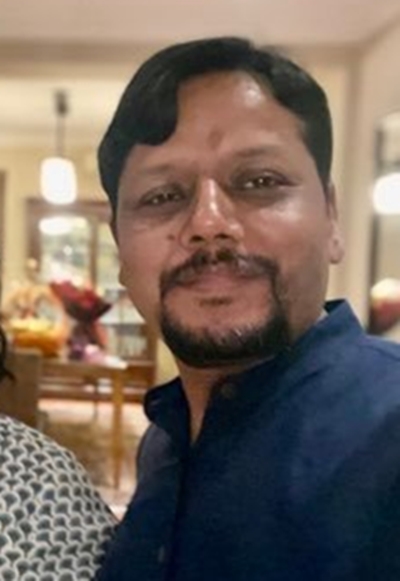 Sous Sherpa Shambhu Lingappa Hakki.
Shambhu Lingappa Hakki, Sous Sherpa and Joint Secretary (MER & G20) — a career diplomat who joined the Foreign Service in 2008 and served as Consul General in Guangzhou (2021-25), besides postings in Beijing and Washington. Fluent in Mandarin, he also runs a YouTube channel with over 60 videos of him performing various ragas.
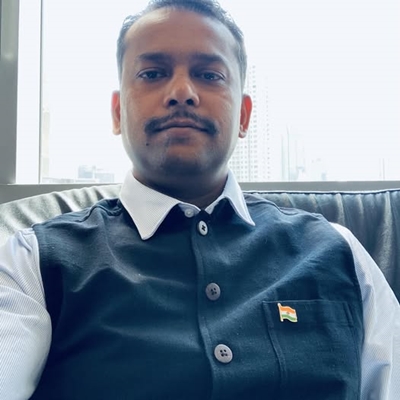 Dr Basir Ahmad,
Dr Basir Ahmed, Joint Secretary, MER division — a 2009-batch IFS officer and a doctor by training, who was Deputy Chief of Mission in Indonesia and served at India’s Permanent Mission in Geneva.
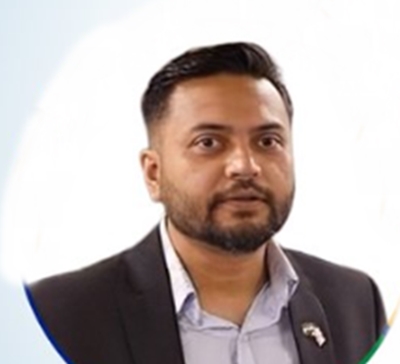 Joint Secretaries Rajiv Bodwade
Rajiv Bodwade, Joint Secretary, MER division — a 2009-batch IFS officer who was Deputy Chief of Mission in Israel during the October 7 attacks and has served as Deputy Chief of Protocol in Delhi.
Story continues below this ad
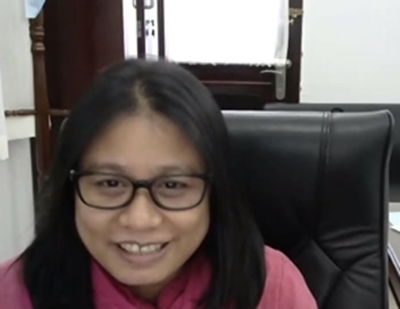 Director Mini Devi Kumam.
Mini Devi Kumam, Director, MER division — a 2011-batch IFS officer who has served in Vietnam and at India’s Permanent Mission in Geneva.
On his YouTube channel, Hakki writes: “A practitioner of Hindustani classical music, I have been drawn towards music, which is a universal language and transcends all barriers. The music I create has its roots in Indian classical music, but has also imbibed certain aspects of Western music.” In the end, it was this, transcending barriers with a common language, that struck the right diplomatic chord.
KioskNews shows a cleaned-up reading view extracted from the publisher’s page — the original always lives on their site, not ours.