Does eczema ever go away?
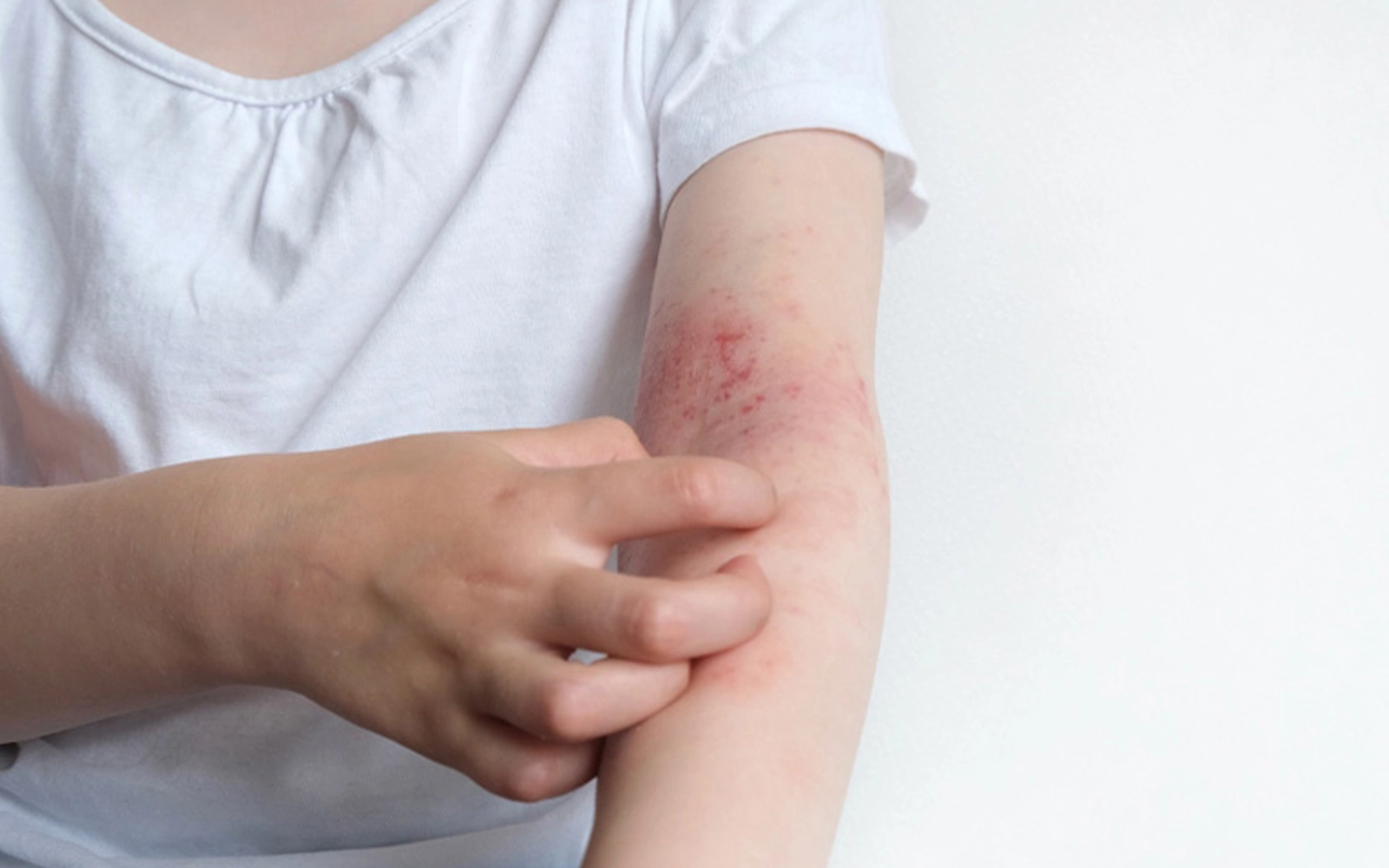
Persistent itching, dry patches and inflamed skin are often dismissed as minor irritations. For people with eczema, however, the condition can become a long-term struggle that interferes with everyday life.
Consultant dermatologist Dr Kartini Farah Rahim said eczema is a chronic inflammatory skin condition that can significantly affect a person’s quality of life if left untreated.
“When symptoms persist for a prolonged period, they can disrupt sleep, work and a person’s emotional, physical and mental wellbeing,” she said.
According to her, eczema in children is often linked to genetic factors, while adults may develop the condition after repeated exposure to irritants such as soaps, detergents, cosmetics and household chemicals.
She added that eczema is frequently mistaken for ordinary itchiness, even though the two require different treatment approaches.
“People with eczema typically develop dry, red and scaly skin. Excessive scratching can damage the skin and increase the risk of infection, so it is important to seek a proper diagnosis because other conditions, including fungal infections, can present with similar symptoms,” she said.
Those whose symptoms persist despite using moisturisers or over-the-counter treatments should consult a doctor to identify the underlying cause, she added.
Kartini also sought to dispel one of the biggest misconceptions surrounding eczema – that food is always to blame.
She said food allergies are more commonly associated with infants who have severe eczema, while food-triggered eczema is relatively uncommon in adults.
Where allergies are suspected, doctors can confirm the diagnosis through tests such as a skin prick test or an IgE blood test.

About 70% of children with eczema recover by adolescence, although others continue to experience flare-ups into adulthood, particularly if they remain exposed to common triggers.
For adults – especially those whose work or household chores involve frequent contact with water, soap or chemicals – she recommends wearing protective gloves and minimising exposure to known irritants whenever possible.
Kartini also cautioned against buying eczema treatments marketed on social media, warning that some products promoted as “natural” have been found to contain undeclared steroids, the long-term use of which can thin the skin.
Furthermore, if the medication comes into contact with the eyes, it could increase the risk of cataracts and glaucoma, she said.
Instead, Kartini encourages the regular use of moisturisers that are free from fragrances and certain chemicals remains the foundation of eczema care.
For more severe cases, techniques such as wet-wrap therapy can help soothe inflamed skin, reduce itching and lock in moisture, particularly in young children.
On an encouraging note, she noted that advances in treatment, including biologic injections, have also given patients with more severe eczema access to safer and more targeted therapies than were available in the past.
Subscribe to our newsletter and get news delivered to your mailbox.
KioskNews shows a cleaned-up reading view extracted from the publisher’s page — the original always lives on their site, not ours.