‘The streets were alive with sonic vibrations’: music and protest in Black London – in pictures
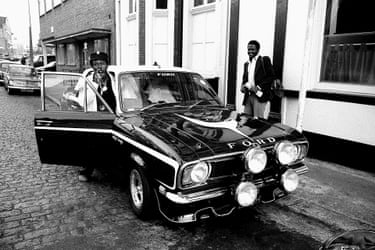
I-Roy and His ‘Nice, Nice’ Car, west London, circa 1984
Bafta award-winning photographer Ian Watts’s images capture the people, culture and lived experiences of Black communities in Britain across two pivotal decades. Of this image, Watts says: ‘A casual remark led to an unexpected photographic opportunity with one of Jamaica’s most distinctive and influential reggae deejays.’ The two-book series Black Britain 1976-1996 is available from Cafe Royale. All quotes by Ian Watts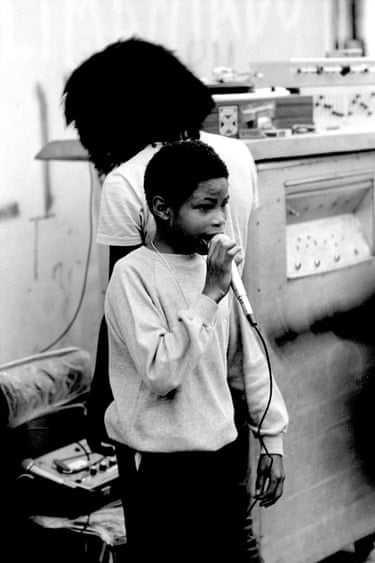
A Young Deejay Takes to the Mic, Notting Hill carnival, 1982
Ian Watts: ‘Carnival was an important platform for music lovers, aspiring performers and established artists to showcase their talents. For singers and deejays, these gatherings offered an opportunity to make a name for themselves and potentially launch a musical career. Reputations could be made or broken in these spaces, depending on how well performers connected with the audience. More than anything, performers wanted to be that singer or deejay who people were still talking about long after carnival had finished’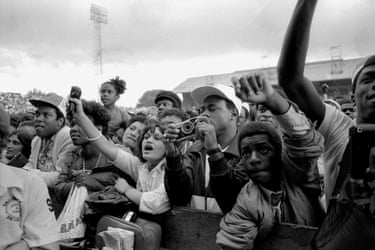
Reggae Sunsplash, Crystal Palace football ground, London, 1985
‘This was an immensely popular music festival traditionally held in Jamaica, but in 1985 the organisers brought the event to Britain, staging it at Crystal Palace football ground in south London. The event was a big success, attracting a large audience and featuring performances by some of the biggest names in reggae and African music, including Dennis Brown, Gregory Isaacs, Sly and Robbie and Black Uhuru, among many others’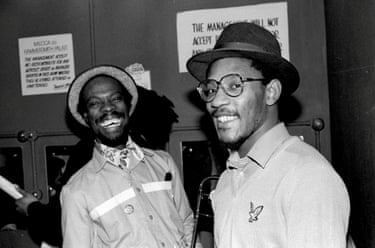
Linton Kwesi Johnson and Vin Gordon Backstage at the 100 Club, London, 1981
‘This photo was taken backstage while British reggae group Aswad were performing at the 100 Club, Oxford Street. Linton Kwesi Johnson had become an influential voice in dub poetry, using words and performance to explore Black British experiences and social realities, while Vin Gordon was an accomplished Jamaican musician whose saxophone playing featured on numerous reggae recordings’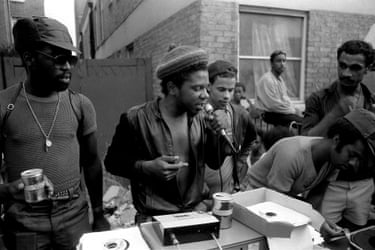
A Small Sound System Enjoying the Moment, Notting Hill carnival, 1984
‘There was something spontaneous about this encounter. The sound system’s operators and followers are clearly enjoying the music with nobody putting on a performance for the camera. They were simply celebrating carnival in their own way. It is these unexpected encounters that make photographing carnival so rewarding. This image captures a small but genuine moment of the musical freedom, camaraderie and infectious enjoyment that made Notting Hill carnival so special in the 1980s’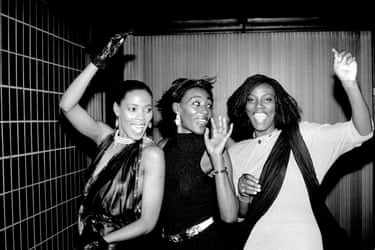
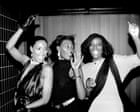
Chrystal Rose and Her Sisters, circa 1985
‘I had been visiting Time Radio, a local community radio station in Harlesden. Afterwards, I unexpectedly bumped into television presenter and music promoter Chrystal Rose, along with her sisters. We stopped to take this photograph nearby, quite spontaneously. Looking back now, I suspect it was taken in the goods lift! Unplanned encounters like this capture a moment in time, and offer a glimpse into the social networks, personalities and cultural connections that helped shape London’s Black community and entertainment scene during the 1980s’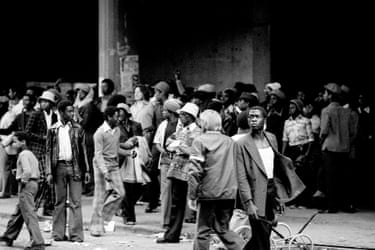
Notting Hill Carnival, Acklam Road, Beneath the Flyover, 1976
‘My first Notting Hill carnival in 1976. The streets were alive with the sonic vibrations of static sound systems, colourful costumes and dancing revellers celebrating Caribbean music and culture. However, the festive atmosphere was overshadowed by a substantial police presence that year, creating an increasingly tense and confrontational environment. This erupted into disturbances and rebellion, which became a defining feature of the 1976 event’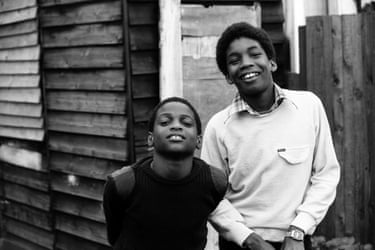
Two Brothers at Home, north London, circa 1980
‘Two brothers pose nonchalantly together in the garden of their north London home, happy to oblige when I took their photograph. This image captures a simple but meaningful moment of everyday family life. There is something special about photographing people in familiar surroundings, where they can relax and be themselves naturally, providing a valuable glimpse into family and community at the beginning of the 1980s’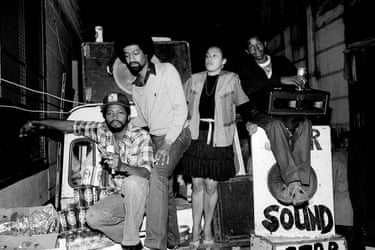
Sound System Culture, Notting Hill carnival, 1981
‘The central figure is a family friend who was well known for his beautifully maintained afro hairstyle and immaculate appearance. Fashion has always been an important part of identity and self-confidence among young Black people. My friend understood this, but he was also a talented deejay with a deep passion for reggae music. Sadly, he died in 2026, so this photograph is a personal reminder of a friend whose passion for music, style and love of reggae reflected so much of the spirit of Black British youth culture in the early 1980s’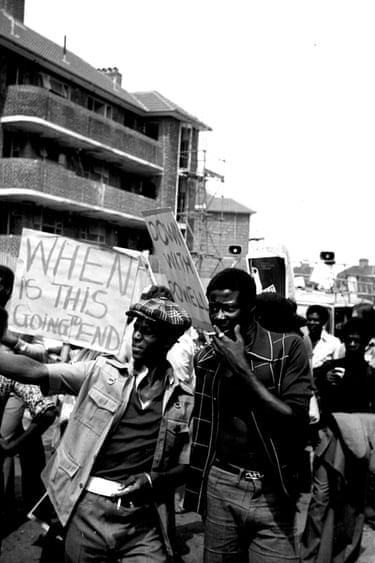
Anti-Racist Demonstration, Harlesden, 1977
‘In 1977 I was living in a youth hostel in Harlesden, London, and beginning to develop my interest in photography. I was learning my craft by photographing events, activities and everyday occurrences within my local community. At the time, the far-right National Front party had a significant presence, and their activities and growing influence generated considerable concern among residents. Anti-racist demonstrations and protests were organised in response, as communities came together to oppose racism and challenge the activities of the far right’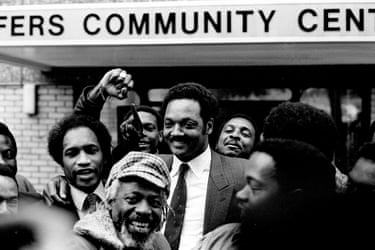
Jesse Jackson Visits a North London Housing Estate, 1986
‘In 1986, while living in north London, I heard that American civil rights leader and political figure Jesse Jackson was due to visit the housing estate where I used to live. I managed to photograph Jesse as he met and interacted with members of the local community, including his guide, Labour councillor Russell Profitt. It was an opportunity to capture an important public figure away from the usual political platforms and in a more personal setting, in a community I knew and used to call home’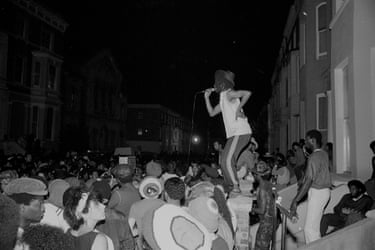
Sound System Vibes into the Night, Notting Hill carnival, 1984
‘This photo, taken in 1984, captures a time of greater musical freedom, when music could be played late into the night with a sound system and deejay, with no obvious police presence or interruptions. This created a positive atmosphere which was all about the music, dancing and having a good time. People came together to enjoy the rhythms and the lyrical skills of the deejay through the infectious energy of the sound system. It was a celebration of music and community’KioskNews shows a cleaned-up reading view extracted from the publisher’s page — the original always lives on their site, not ours.