Neutral Switzerland narrowly backs easing arms export rules
This story in 11 other countries →
Swiss voters on Sunday narrowly agreed to ease curbs on weapons exports in a referendum pitting the country’s neutral and humanitarian traditions against security concerns and the interests of a billion-dollar arms industry.
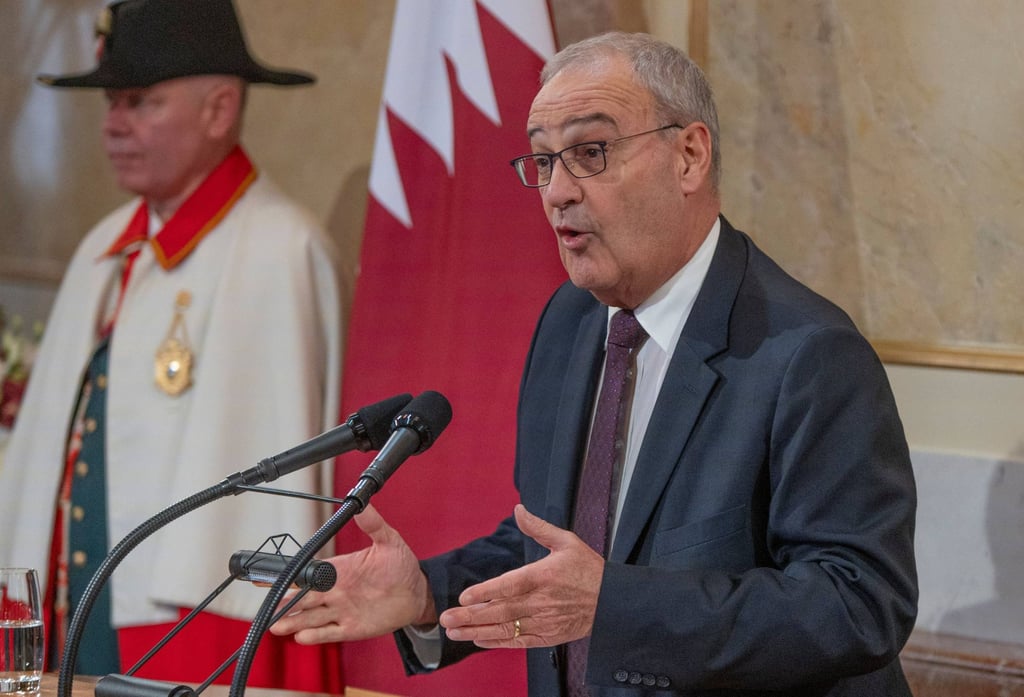
“Today, the people approved the amendment to the War Materiel Act with 54.3 per cent of votes in favour. Voter turnout reached 48 per cent. The Federal Council [government] is pleased with this result,” Swiss President Guy Parmelin told a press conference in Bern.
Christophe Gerber, chairman of Swiss association GRPM representing defence and security companies, told public television RTS he felt “great satisfaction – I’m thinking of the industrial manufacturers who will be able to regain some peace of mind in their activities”.
But an alliance of greens, socialists and charities behind the referendum said the “close result shows that a large part of the population does not want Swiss weapons to end up, without any control, involved in bloody wars”.
The amendments make it possible for Switzerland to export military equipment to 36 named partner countries even during an international conflict – provided they do not grant a military advantage.
The 36 countries include European nations, plus Argentina, Australia, Canada, Japan, New Zealand and the United States.
The reform also allows the government to waive the conditions applicable to non-partner states in “exceptional circumstances” and also makes it easier for purchasing countries to transfer Swiss military equipment to third states.
“Switzerland is not part of any defence alliance, so it has all the more need to maintain and strengthen its ties with its partners,” the Swiss president said.
Proponents argue the reform is essential to keep the Swiss arms industry competitive and ensure its place in international supply chains.
According to Sidney Kamerzin, a centrist member of parliament who spoke on RTS, the context of war in Europe as well as the economic stakes for businesses and jobs weighed on the outcome of the vote.
The wealthy landlocked country does not export to nations involved in armed conflicts and insists on being consulted if clients want to transfer Swiss-made arms to another state.
However, the government argued that Russia’s 2022 invasion of Ukraine has changed Europe’s security calculations.
Parliament eased restrictions last year, with government backing. Using Switzerland’s direct democracy system, left-wing parties and NGOs then forced a referendum on the issue, arguing the amendment endangers Swiss neutrality.
For Patrick Walder, campaign manager at Amnesty International Switzerland, the Swiss “yes” did “not relieve Switzerland of its responsibility to protect human rights and international law in the context of its arms exports”.
According to estimates from the Stockholm International Peace Research Institute, Switzerland was the 20th-biggest arms exporter between 2021 and 2025, holding a 0.3-per cent share of the global market.
After two years of decline, Swiss arms exports surged by 43 per cent to 948.2 million francs (US$1.13 billion) in 2025, primarily because of ammunition, armoured vehicles and spare parts shipments to neighbouring Germany.
But around 20 charities, including Amnesty International Switzerland, have condemned “the dismantling of the main safeguards governing Swiss arms exports”.

In the run-up to the vote, opinion polls suggested it would be a close contest.
Critics had also pointed out the proposal included no measures to support Ukraine, despite requests from several European countries since the 2022 Russian invasion.
The economy ministry said Switzerland’s neutrality laws prevented Swiss weapons exports to Ukraine.
With the reform, indirect transfers to Ukraine would also remain subject to restrictions.
On Sunday, the Swiss also voted on whether to increase value-added tax (VAT) to fund a pensions rise and on restricting the sale and use of noisy fireworks.
According to a gfs.bern forecast, voters rejected by 55 per cent the proposal to raise VAT, but approved by 61 per cent the initiative on fireworks launched by animal rights advocates.
KioskNews shows a cleaned-up reading view extracted from the publisher’s page — the original always lives on their site, not ours.