How Shimao’s sale of 2 hotels reveals the growing complexity of Hong Kong debt workouts
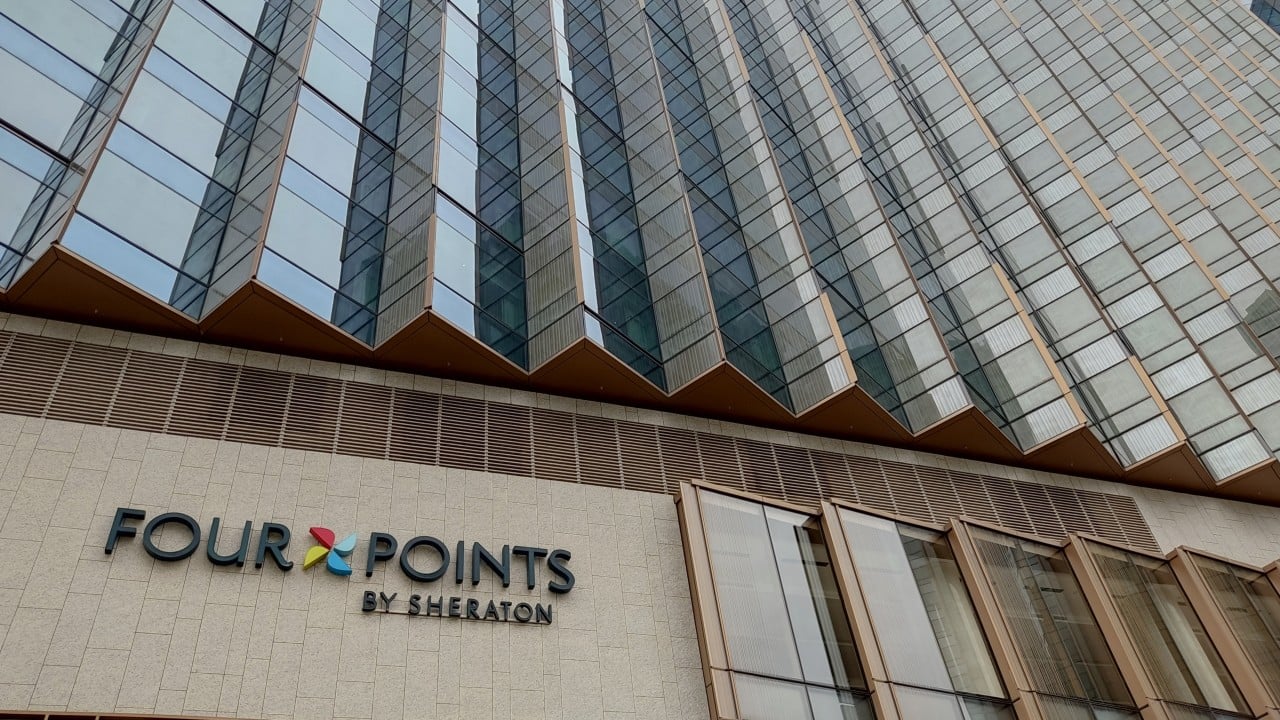
The HK$2.7 billion (US$344 million) sale of two Shimao Group hotels in Hong Kong leaves an estimated HK$1.8 billion shortfall against their secured loans.
Still, receivers managed to squeeze out improved bids in the final stages, with all shortlisted parties improving their offers, said Una Ge, a managing director at AlixPartners who oversaw the sale as a joint receiver.
The deal offers a glimpse into how mainland China’s developer debt crisis is reshaping Hong Kong’s restructuring industry, bringing vastly larger debt burdens, cross-border contagion risks, and increasingly complex creditor syndicates.
Resolving distressed debt in today’s frozen market was no simple matter of selling real estate, Ge said in an interview with the South China Morning Post on Friday.
When AlixPartners took over the 1,219-room complex in Tung Chung in June, its mandate was to protect a live hospitality business from liabilities linked to distressed mainland Chinese developer Shimao, while managing a transaction involving more than 1,000 contracts, Ge said.
Under agreements signed last week, the Sheraton Hong Kong Tung Chung Hotel and Four Points by Sheraton will be acquired by Oceanfront Hong Kong, which is controlled by Malaysian property developer ParkCity Group.
Shimao initially sought between HK$6 billion and HK$6.5 billion for the assets in 2023, before lowering its expectations to HK$4.5 billion late last year.
The final HK$2.7 billion sale price represents a 40 per cent haircut to the HK$4.5 billion syndicated loan facility – originally led by lenders including HSBC – illustrating the steep concessions banks are making to reduce balance-sheet pressure and limit provisioning.
Preserving operating cash flow was central to the transaction. AlixPartners worked with Marriott International to ensure operational continuity before court orders were formalised, reflecting the reality that hotels were operating businesses rather than passive real estate assets.
“A lot of communication took place before we were formally appointed, and we had the support of the Marriott team,” Ge said. Maintaining “business as usual” was “critical” for prospective buyers and for lenders deciding whether to support the sale.
That operational stability helped preserve buyer conviction, Ge said.
While borrowers in offshore receiverships often dig in their heels and resist creditor enforcement, Ge said Shimao was cooperative from the outset, providing information and agreeing to publicly confirm in its Hong Kong stock exchange disclosures that the hotels would continue operating normally.
The confirmation was important for reassuring customers that existing bookings, including wedding banquets, could proceed as planned, Ge said.
Shimao’s cooperation in the hotel receivership followed its earlier efforts to reduce liabilities through orderly disposals in Hong Kong, including the sale of mortgaged office floors in Central’s landmark skyscraper, The Center.
The legal mechanics were equally challenging and involved far more than transferring ownership of the buildings. “This is effectively an M&A [mergers and acquisitions] deal,” Ge said. “The hotel company has existing contracts and obligations that come with it.”
Working with Eversheds Sutherland and Marriott’s regional M&A team, the receivers drafted two interconditional agreements separating the physical assets from the operating entities. The structure allowed the Malaysian buyer to assume control without inheriting Shimao’s broader corporate debt obligations.
The transaction required novating more than 1,000 commercial agreements and securing consents under Marriott’s long-term management contract.
Because day-to-day operations would remain with the hotel brand, whoever bought the asset “needed to have real confidence in Marriott’s ability to run the hotel”, Ge said.
People tend to anchor on their sunk cost, which is the original investment. But that may not be so relevant when making forward-looking decisions
The tender drew formal interest from buyers across nine markets, including mainland China, Singapore, Malaysia, Japan, Australia, Europe, the Middle East and the US. Following the initial tender, receivers asked shortlisted parties to revise their terms, and all submitted higher offers.
Ge said decisions in such processes were not based solely on price, with execution certainty, financing commitments and board approvals also carrying significant weight.
On the ground, the receivers took direct management of the adjoining T Bay shopping mall, renewing retail leases, upgrading signage and launching guest-discount programmes.
“Anything that adds value, we are willing to go the extra mile for,” Ge said, adding that monthly hotel revenue posted year-on-year gains throughout the sale process.
An 18-year restructuring veteran, Ge said that while the legal tools available to advisers remained broadly unchanged, the scale of Chinese developer defaults had expanded the network of offshore stakeholders beyond anything seen in previous cycles.
As for whether commercial property had reached a bottom, Ge said prime office leasing in Central had shown initial signs of stabilising, though it remained unclear how quickly improvement could spread to non-core districts.
Capital values, however, remained under pressure. For property owners and lenders weighing whether to hold or sell, Ge said historical acquisition costs should not drive decision-making.
“People tend to anchor on their sunk cost, which is the original investment. But that may not be so relevant when making forward-looking decisions,” Ge said.
Centaline Property said lenders were increasingly turning to mortgagee sales to recover cash, while office buildings continued to trade at discounts, with some offered at 20 to 25 per cent below original purchase prices.
With lenders increasingly turning to forced sales to recover their money from distressed properties, Ge said a borrower’s willingness to work towards a resolution could influence how lenders approached a distressed situation.
“If banks see that a borrower is genuinely working hard to improve the situation, in my experience they are more willing to give their support,” Ge said.
KioskNews shows a cleaned-up reading view extracted from the publisher’s page — the original always lives on their site, not ours.