China’s green industrial transition offers Africa a new economic opportunity
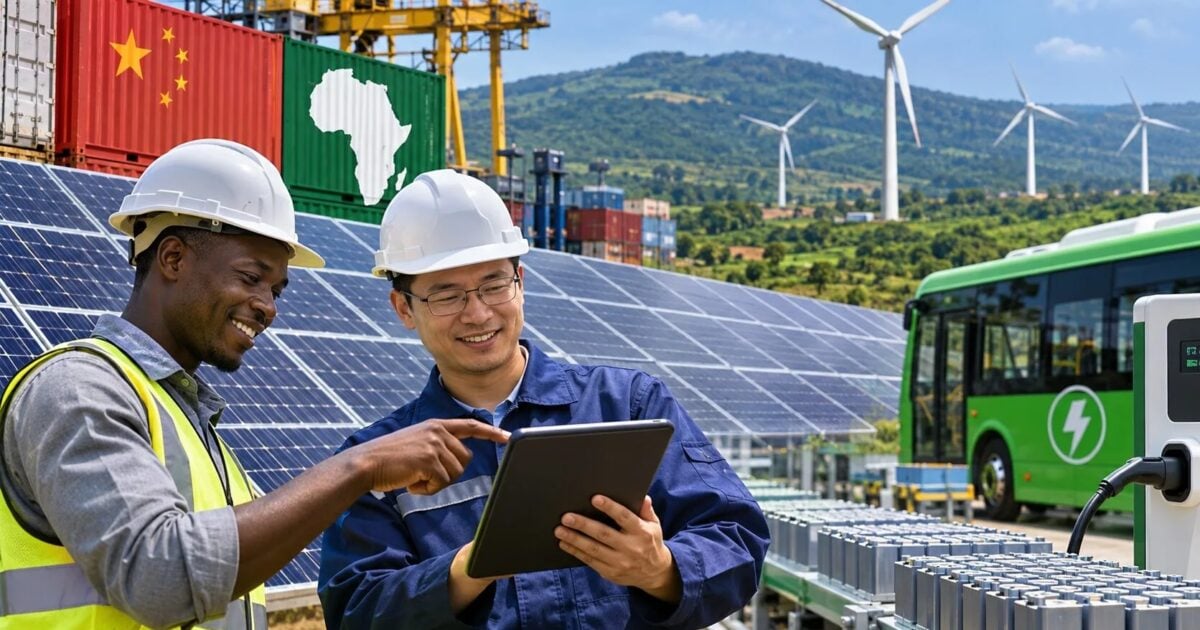
China’s transition towards a greener industrial economy is creating a new chapter in its economic development, with implications that extend well beyond its borders. What is unfolding is not simply an environmental undertaking, but a far-reaching economic and technological transformation that is generating new industries, expanding markets, accelerating innovation and creating opportunities for international cooperation.
For Africa, China’s green industrial transition presents an important opportunity to strengthen economic ties, attract investment and participate more actively in the emerging global green economy. As demand grows for clean energy, electric mobility, energy storage and low-carbon manufacturing, the continent has an opportunity to build on its natural resources and develop new industrial capabilities.
China’s latest industrial green-development plan provides a clear indication of the scale and direction of this transformation. Covering the 2026–2030 period, the plan seeks to make manufacturing more energy-efficient, reduce industrial carbon emissions and enhance the competitiveness of green industries.
Its targets include reducing energy consumption per unit of industrial value added by more than 10 per cent and establishing 500 zero-carbon factories. It also seeks to expand renewable energy use in industrial production, accelerate the development of electric vehicles, energy storage and new-energy equipment, and promote industrial recycling and low-carbon hydrogen. China is also targeting a peak in industrial carbon dioxide emissions by 2030.
These ambitions reflect China’s determination to combine environmental responsibility with industrial modernisation and technological advancement. By investing in cleaner production, improving industrial efficiency and developing new technologies, China is positioning its manufacturing sector for the next phase of global economic growth.
Its approach demonstrates how the green transition can become a driver of innovation, productivity and industrial competitiveness. The development of electric vehicles, renewable energy equipment and advanced energy storage systems is creating new economic possibilities while contributing to the transformation of global energy systems.
This transformation has particular significance for Africa, a continent endowed with many of the natural resources required to support the expanding green economy. Lithium, cobalt, graphite, manganese and copper are among the minerals essential to batteries, electric vehicles, renewable energy systems and other clean technologies. As demand for these resources grows, African countries have an opportunity to deepen their participation in emerging global supply chains.
China’s experience in green manufacturing, renewable energy and technological innovation offers valuable opportunities for cooperation. Its expanding industrial capabilities could support African ambitions in mineral processing, clean energy development, electric mobility and energy storage. Collaboration in these areas could help accelerate access to modern technologies while creating new opportunities for investment and industrial development.
The opportunity extends beyond exporting minerals. African countries can use their resource endowments and growing markets to attract investment in local manufacturing, technology development and skills transfer. China’s industrial experience and manufacturing capabilities provide a foundation for partnerships that can support this ambition.
For many African economies, one of the most important objectives is to capture greater value from their natural resources. Rather than exporting raw materials and importing finished products, countries can work towards developing local processing industries and manufacturing capabilities. Investment in battery components, electric vehicle assembly and renewable energy equipment could create employment, stimulate enterprise development and strengthen domestic industrial capacity.
China-Africa cooperation can play a constructive role in advancing these ambitions through joint ventures, manufacturing partnerships, research and development, technical training and investment in infrastructure. Such collaboration would bring together China’s industrial and technological experience with Africa’s resources, markets and development potential.
The African Continental Free Trade Area provides an additional opportunity to expand this cooperation. By strengthening regional markets and reducing barriers to trade, the agreement can support cross-border industrial value chains and make African economies more attractive destinations for investment. Countries can build on their respective strengths, allowing different stages of production to take place across the continent while serving a wider regional market.
There is considerable potential for cooperation in renewable energy as well. China’s advances in solar technology, wind power, electric mobility and energy storage could support Africa’s efforts to expand electricity access and develop more reliable energy systems. Affordable and dependable electricity is essential for manufacturing, and the continent’s considerable solar, wind, geothermal and hydropower resources offer a strong foundation for future industrial growth.
Realising this potential will require sustained investment in transport networks, ports, logistics, technical education and research. African governments must also create predictable policy environments that encourage long-term investment and strengthen local participation in emerging industries. These measures would enable the continent to make the most of the opportunities presented by China’s green industrial transformation.
The broader significance of China’s transition lies in its demonstration that environmental objectives and economic development can advance together. Its investment in green manufacturing and new technologies is helping shape industries that will become increasingly important to the global economy. For Africa, closer cooperation in these areas offers an opportunity to accelerate industrialisation, strengthen technological capabilities and create new sources of sustainable growth.
The green industrial transition should therefore be viewed as an important new frontier in China-Africa economic cooperation. Beyond trade in commodities, it opens possibilities for deeper collaboration in manufacturing, innovation, energy and skills development.
Africa has the resources and potential to become a much more significant participant in the emerging green economy. By building on its partnership with China and pursuing a clear industrial development strategy, the continent can turn the global shift towards cleaner technologies into opportunities for investment, employment and economic transformation.
Ultimately, China’s green industrial transition offers Africa more than an expanding market for its natural resources. It provides an opportunity to build productive partnerships, develop new industries and participate in shaping the technologies and manufacturing systems that will define the global economy in the years ahead.
KioskNews shows a cleaned-up reading view extracted from the publisher’s page — the original always lives on their site, not ours.