7 kitchen ingredients that keep cockroaches away
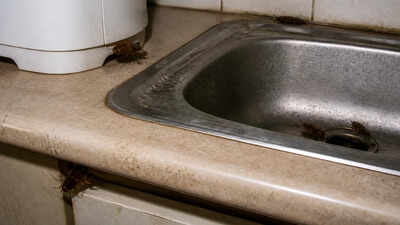
Image credit-Canva AI
The kitchen is perhaps the heart of any house, a place where meals are prepared and shared, making it important to keep it clean and hygienic. A clean, pest-free kitchen is something everyone enjoys, but the appearance of even a single cockroach can be unsettling.
Often attracted to leftover food, sugary spills and crumbs on kitchen counters, cockroaches can find their way into the smallest corners of the house. If left unchecked, they can contaminate food preparation surfaces and the utensils and plates used for everyday meals.

Image credit-Canva
Once they appear, getting rid of cockroaches can be a burdensome task. While many chemical sprays, pills and other toxic chemicals exist, some common ingredients may help deter them from your kitchen.
Often, the task is to identify the certain nooks and crannies in which they hide. These places are often the areas of a kitchen that are difficult to clean, including dark, damp and warm crevices. Their common hiding spots are often the areas under the sink, around the drain, behind appliances, or under appliances like the microwave or toaster.
Using certain natural repellents in these areas may help deter cockroaches from their hiding spots.
Bay leaf
Bay leaf is a common cockroach deterrent easily found in homes for cooking or readily available at grocery stores. This ingredient releases aromatic essential oils like eucalyptol, which cockroaches may find unpleasant. Crushing or breaking these leaves to release their compounds may help deter the insects and interfere with their ability to detect food and navigate their way around your kitchen.
Image credit-Canva
Garlic powder
Garlic powder carries a pungent smell that pests, especially cockroaches, may find unpleasant.
Though it can be hassle to clean and wipe the countertops and areas under the sink after, it acts as a common repellent.
Onion powder
Onion powder, too, carries a strong smell that cockroaches may find unpleasant. While its pungent aroma may help discourage them from approaching certain areas, it should not be considered a dependable method of pest control on its own.
Lemon
Cutting a lemon in half, squeezing it into some water and adding the mixture to a spray bottle can make it easier to reach those small crevices.
Lemon water, with its aromatic fragrance, can also keep the kitchen smelling wonderful. However, while lemon may help with routine cleaning, it should not be relied upon as a disinfectant or as a way to eliminate cockroaches.
Image credit-Canva AI
Neem oil
Along with its pungent smell, neem oil carries chemical compounds such as azadirachtin, which can affect the growth and development of several pests but espeically, young cockroaches. Mixing neem oil with water to prepare a solution for a spray bottle may make it easier to reach small areas, cabinets, drawers and crevices under kitchen slabs.
However, neem products should be used according to their label instructions, particularly around food preparation surfaces.
Catnip leaves
Belonging to the mint family, catnip is a type of herb used in herbal teas and drinks and is also sometimes used as a pest repellent. These leaves contain a chemical compound called nepetalactone. Cutting some catnip leaves, placing them in a small porous bag, such as one used for tea sachets, and keeping them around cockroaches' favourite hiding spots may help deter them.
White vinegar mixed with peppermint oil
White vinegar mixed with water can be useful for routine kitchen cleaning, particularly around countertops, stovetops and sink areas where grease and food crumbs tend to collect. Adding a few drops of peppermint oil gives the mixture a strong, fresh fragrance.While certain ingredients may help temporarily deter cockroaches, if an infestation has already occurred, it is important to ensure that all food containers are airtight. The kitchen should be routinely cleaned with soaps and cleaning compounds that act as surfactants and can remove food particles and crumbs from shelves, pantry boxes, cabinets and areas around the sink. Lastly, while certain ingredients may help temporarily deter cockroaches, professional pest control can be the best long-term solution for eliminating an infestation and preventing more roaches from appearing.
KioskNews shows a cleaned-up reading view extracted from the publisher’s page — the original always lives on their site, not ours.