On Government agenda: New Rs 2,800-crore capex scheme for critical minerals
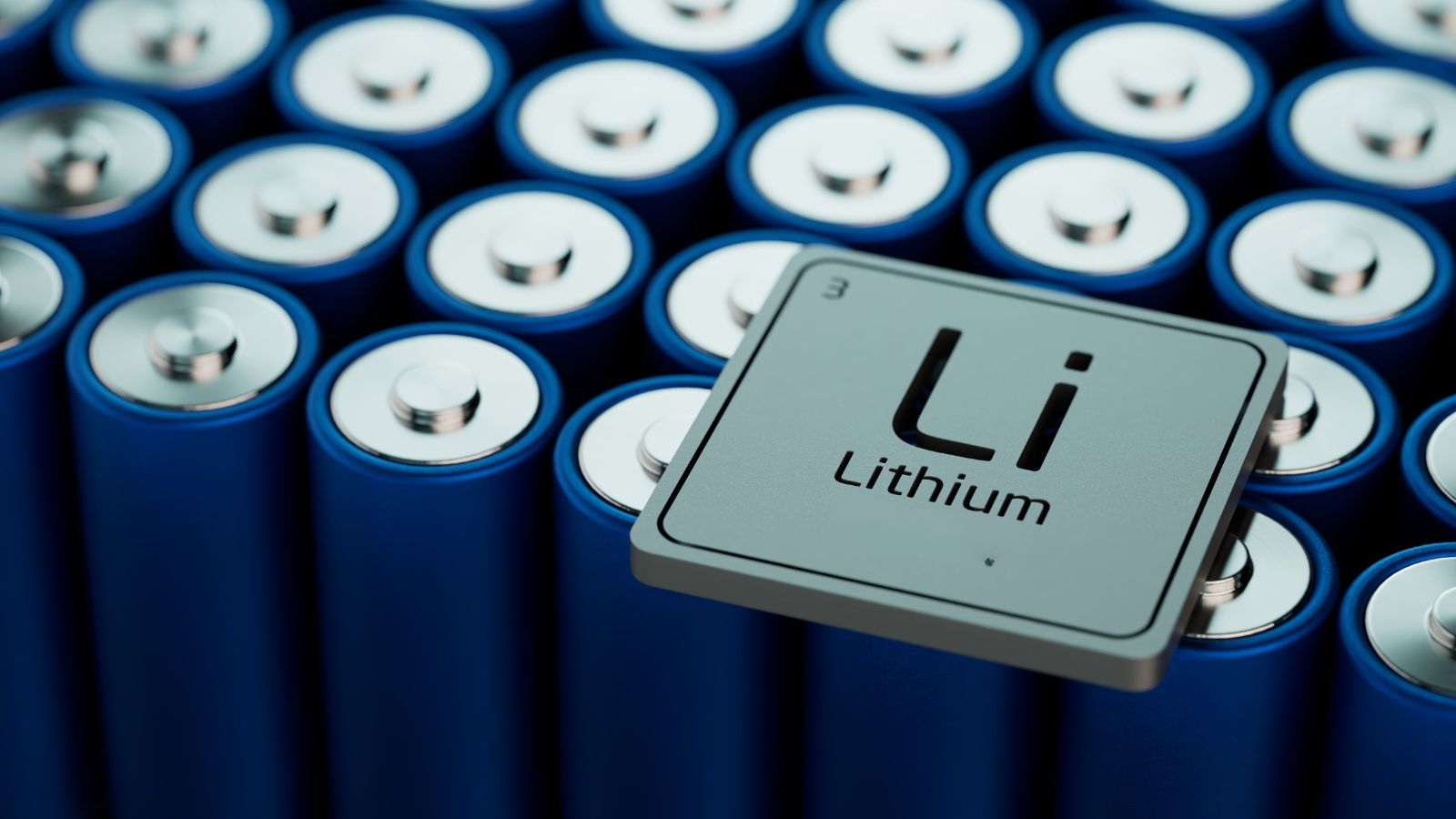
A new scheme with a proposed outlay of about Rs 2,800 crore to provide capital expenditure (capex) support for the processing of critical minerals such as lithium and nickel ores is likely to be taken up by the Union Cabinet on Wednesday, The Indian Express has learnt.
According to sources aware of the development, the scheme, aimed at developing domestic critical mineral processing base, is likely to be focused on processing of lithium and nickel ores and intermediary products into high-purity compounds. Cobalt is expected to be recovered as a by-product of nickel production, the sources said.
Lithium, nickel and cobalt are important components for Li-ion batteries that power everything from smartphones to electric vehicles.
Sources said the scheme is likely to provide a capital subsidy of 30 per cent of eligible investment for setting up four processing plants — two lithium processing plants with a minimum capacity of 30 kilotonnes (kt) each and two nickel processing plants with a minimum capacity of 50 kt each. The maximum capital support could be capped at Rs 500 crore per lithium beneficiary and Rs 900 crore per nickel beneficiary.
The proposed scheme is expected to support sectors such as electric mobility, battery energy storage systems (BESS), electronics, defence and speciality steel, while strengthening India’s domestic critical mineral value chain.
Queries sent to the Ministry of Mines did not elicit any response.
Discussions regarding a scheme to promote the processing of lithium and nickel have been going on for some time. In September, Keshav Chandra, Secretary, Ministry of Mines, had said the government was planning to launch a scheme for critical minerals considered important to the battery manufacturing ecosystem. However, he did not reveal any further details.
Story continues below this ad
The government has already identified four states — Andhra Pradesh, Odisha, Gujarat and Maharashtra — for setting up critical mineral processing parks. Chandra had said the government was planning to develop each park as a complete ecosystem for a particular mineral. Accordingly, Gujarat and Andhra Pradesh are looking at rare earth processing, while Odisha and Maharashtra are set to focus on nickel and lithium, respectively.
Gujarat was identified for rare earth processing given the availability of heavy rare earth elements in the state and its existing beneficiation and processing capabilities. Andhra Pradesh was identified for the development of a rare earth corridor.
Odisha is being considered for nickel processing due to its nickel reserves and its location in eastern India, which could facilitate the processing of imported nickel from Indonesia and other countries with abundant reserves.
Explained
Eye on China
Currently, India has limited processing capacity and is almost completely import-dependent for key critical minerals like cobalt, lithium, nickel, rare earth elements and silicon. On the other hand, China controls 90 per cent of global critical mineral processing. India, therefore, remains vulnerable to supply disruptions.
Currently, India has limited processing capacity for critical minerals and is almost completely import-dependent for some key critical minerals such as cobalt, lithium, nickel, rare earth elements (REEs) and silicon. On the other hand, China controls 90 per cent of global critical mineral processing and often uses it as leverage during trade tensions.
Story continues below this ad
India, therefore, remains vulnerable to supply disruptions. The proposed scheme can be seen as part of the government’s broader efforts to address this strategic vulnerability, build domestic processing capabilities, and reduce dependence on China.
As part of similar efforts, the government is also working on a new policy for stockpiling critical minerals to guard against potential supply disruptions.
India’s National Critical Minerals Mission (NCMM) has proposed to develop a National Critical Mineral Stockpile Programme for stockpiling critical and strategic minerals. For the development of such a reserve, the government has committed the allocation of Rs 500 crore for 2024-25 to 2030-31.
KioskNews shows a cleaned-up reading view extracted from the publisher’s page — the original always lives on their site, not ours.