Passed from hand to hand, Paete’s taká tradition looks to its next generation
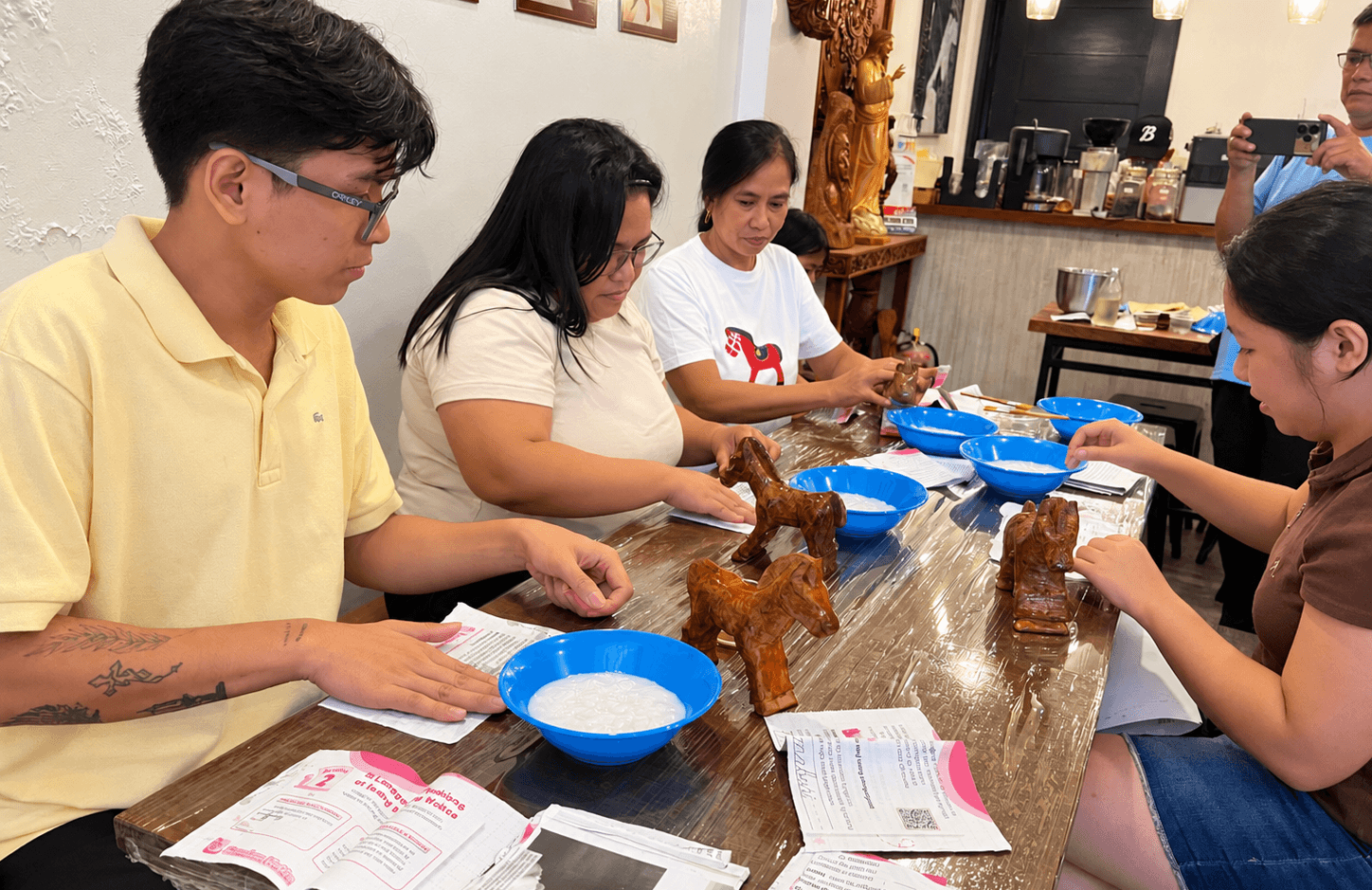
LAGUNA, Philippines – Horse-shaped forms sat on a table inside a cafe in Paete, surrounded by glue, brushes, oil, and strips of paper. Around them, participants in the Matutong Magtaká workshop were learning how taká is made, one layer at a time. Guiding them was Ka Ichu, a magtataká who has spent decades making taká by hand.
Taká is Paete’s traditional papier-mâché craft. The workshop was among the activities of the Taká ng Paete Festival and Exhibition on September 27. Taká ng Paete is an initiative that local artist Rizia Adao and her family launched in 2022 under the advocacy #KeepTheTakaAlive.
But the people who have kept the craft going are growing older. Ka Ichu said many magtataká her age already have great-grandchildren, and the younger members of their families no longer want to take it up.
“Yung mga apo nila, yung mga anak nila, ayaw na. Kasi hindi madali gawin,” she said.(Their grandchildren, their children, no longer want to do it. Because it isn’t easy to make.)
Around the table that day, though, people had come to learn.
A craft many have seen, few can name
Paete is widely known as a town of woodcarvers or mag-uukit. Taká rarely comes up in the same breath.
Pieces of taká are often seen as souvenirs, decorations, or goods sold in town. Less visible are the people who make them, and the long process behind each piece.
Rizia sees this whenever she faces a crowd during her workshops. She asks who knows ukit, and people raise their hands. When she asks about taká, hardly anyone does.
“Pero pag sinabi ko na yung name na ‘taká,’ wala nang nagtataas ng kamay. So that’s the recognition na need ng taká,” she said.
(But when I say the word ‘taká,’ no one raises a hand. So that’s the recognition taká needs.)
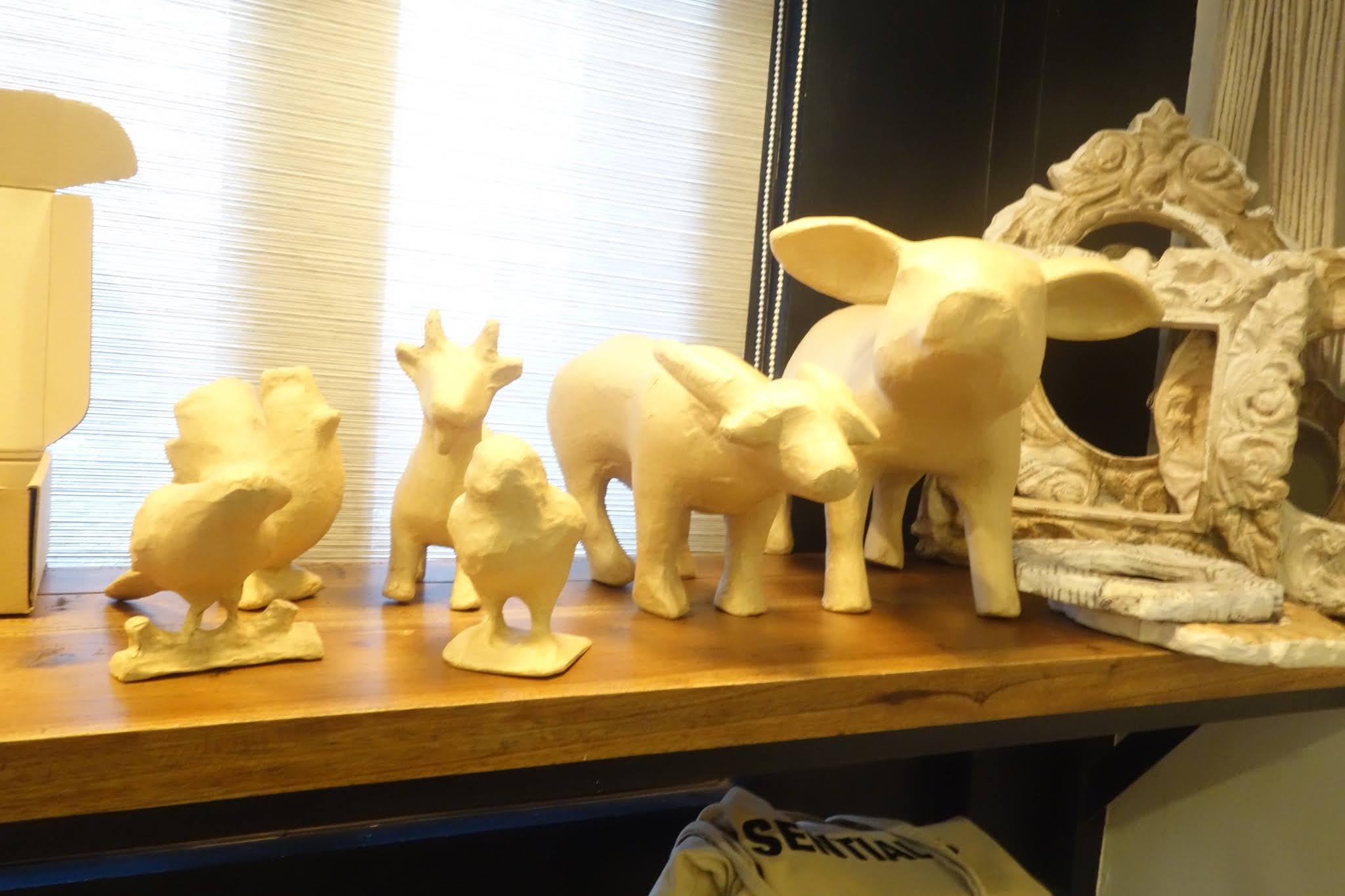
Rizia said there may be just as many magtataká in Paete as there are woodcarvers, if not more, despite the difference in recognition. Yet beyond the town and the people already familiar with it, the craft fades from view. The Ukit Taká Festival has started to help, she said, as more people now see taká through social media.
A life shaped by taká
Behind Taká ng Paete is a family that has lived with the craft for much of their lives. Rizia’s parents, Ka Jong and Ka Ichu, have been making papier-mâché for almost four decades, and Rizia grew up surrounded by it.
Ka Ichu was already making taká before her pieces reached buyers. By her recollection, it took shape as a business around the 1990s. She started with large ducks, mallards shaped in different poses with their wings spread, using molds she got from another maker in the area. She and her family even attached the wings themselves.
Soon after, they began displaying their pieces in town. Buyers who came to look included exporters from Manila, who asked her to bring samples. She delivered them, and orders followed, slowly at first. By around 1991, she recalled, the orders had grown enough that they needed their own gawaan, or production space.
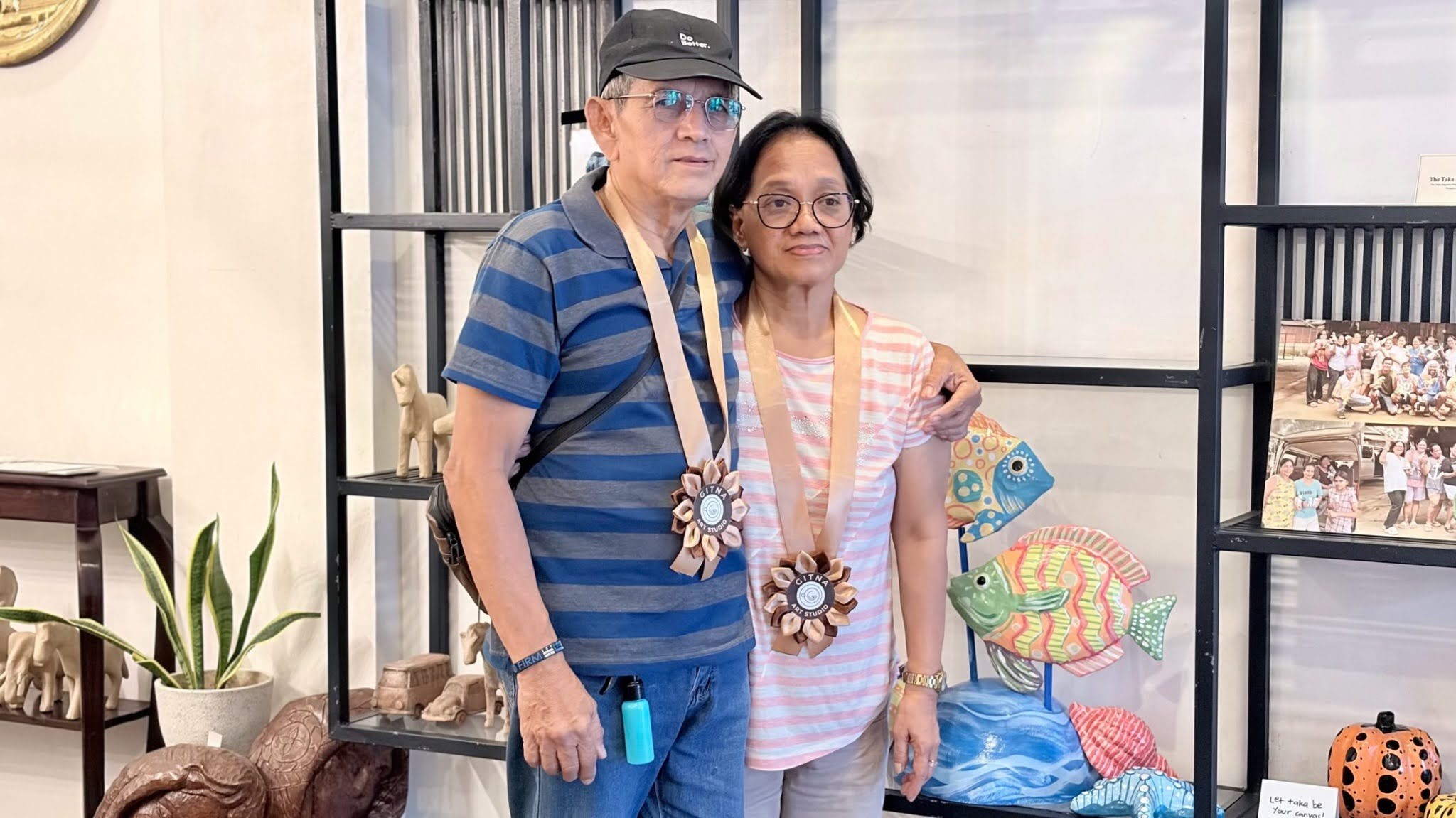
Local buyers came first. She supplied large decorative pieces to Rustan’s and SM, sourcing at the start from other taká producers in Paete since they did not yet have a production of their own. Taká was in its heyday then.
“Kasi talaga naman noon, parang boom na yung taká noon eh,” she said.
(Back them, taká was really booming.)
Prices were better, she recalled, and materials were cheaper. By 1992, she was supplying exporters. The orders were good from then until 2000 and stayed fairly strong until around 2005, before things began to slow down.
Shipped plain, painted elsewhere
Some unfinished pieces were exported to Europe, including the UK, shipped in a plain brown finish. Abroad, they were sold as do-it-yourself kits with paint and brushes, with students among the target buyers.
What she misses most from those years are the papier-mâché leaves and flowers, attached to sticks and painted into flower arrangements. She would like to bring them back. Buyers have since moved toward animals, she said.
When lockdowns began, Ka Ichu said, they still had export orders to finish. They went to the workshop one at a time and asked the barangay for passes, since the space was open-air. Their priority, she said, was their workers, who were paid through bank transfers.
It was after the pandemic that the difficulty of the work was felt the most.
When handmade meets a target price
Competition added to the pressure. Ka Ichu said buyers began moving toward items that were difficult to copy, while other importers imitated pieces and lowered prices. She relayed an exporter’s view that cheaper and faster production from China had pulled prices down, a comparison to fast fashion and slow craft.
For makers, that leaves little room to set a price.
“Kasi may mga target price, target na ito lang yung kaya ibayad,” she noted.
(Because there are target prices, buyers who can only pay this much.)
They want to raise the value of taká, she said, but there is a limit.
Rizia described what she sees as a disconnect between the value the makers produce and what actually reaches them. Based on her own experience, she said only about 10 percent of a piece’s selling price goes to the makers, while the rest goes to middlemen and business people.
This, she shared, is part of the reason the younger generation hesitates. There are young people who want to learn the craft. They just will not take it up as a livelihood if it does not pay enough.
The people behind every piece
Rizia herself paints on taká, but she points out that the creative process begins long before the painting. A magtataká prepares, shapes, layers, dries, and finishes the forms that she paints on.
Her exhibit at GITNA Art Studio, which she curated, puts those makers at the center. Pictures of the magtataká are displayed in the exhibit, so visitors meet the people behind the pieces as well as the finished work.
It is also tied to her Taká Registry Project, an ongoing effort to document Philippine papier-mâché as an art form, including its people, processes, and traditions.
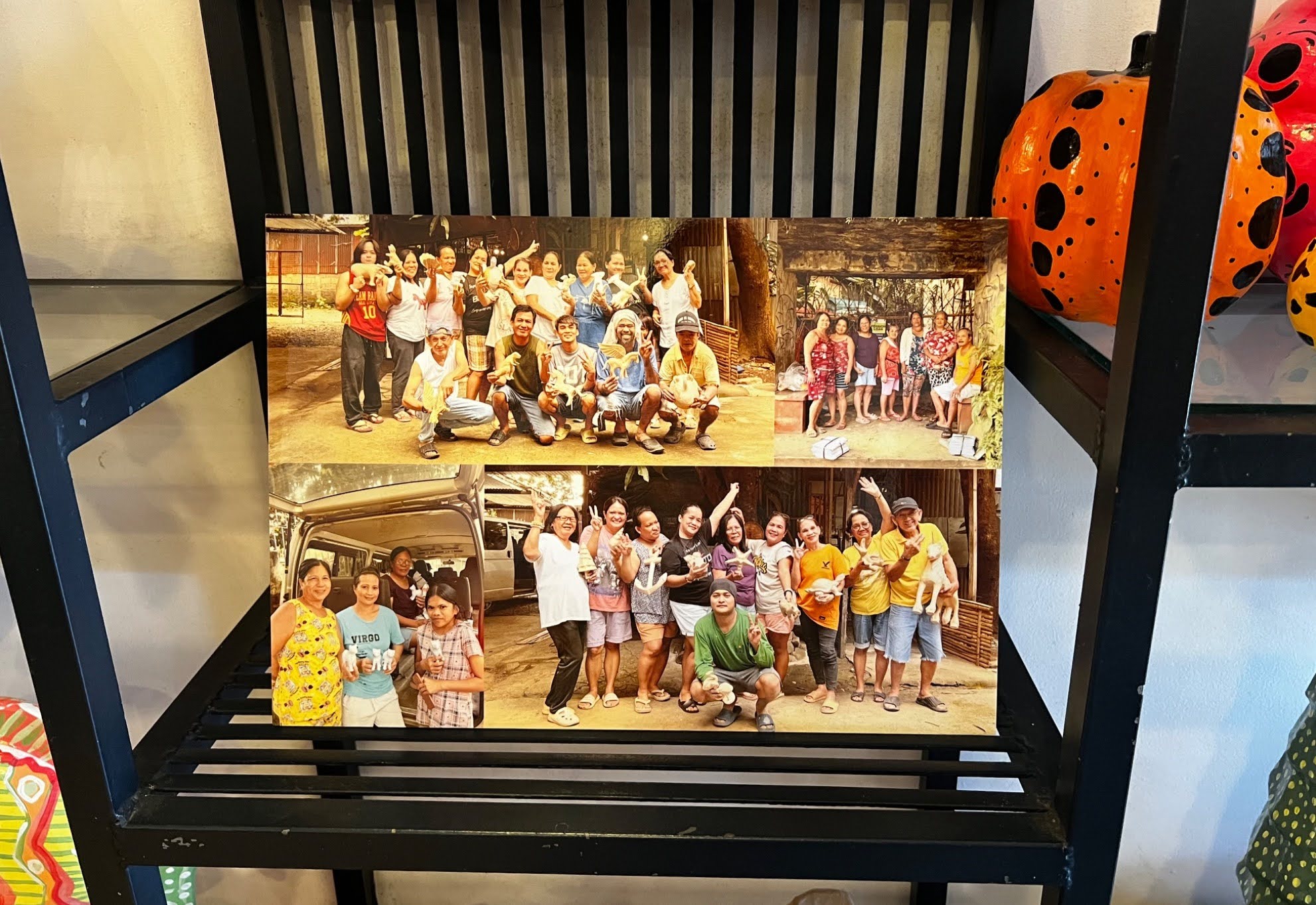
For some of the magtataká, being part of the exhibit changed how they saw their own work. Ka Ichu said many of them long had a low appreciation of their craft since they were paid minimally.
“Kasi nga, ang baba nung amount, ang baba nung binabayad sa amin,” she said.
(Since the amount is low, what we get paid is low.)
After Rizia invited them, Ka Ichu heard something new from her fellow magtataká: “Ah, artist pala rin kami (Ah, so we’re artists too).”
Rizia recalled that the exhibit opening left many of them in tears, seeing the craft and the people behind it side by side.
Keeping the taká alive
Rizia hopes taká will receive enough recognition and value, as other crafts in the Philippines have, so that the younger generation would want to take it up, and see it’s valuable enough to be paid enough.
Not everyone was sure of that at the start. According to Rizia, Ka Ichu hesitated when they began teaching workshops, wondering if anyone still wanted to learn taká. Ka Ichu herself said she was against the idea at first. Today, she shared, she is glad that their stock is finding its way to people and that schools have started to show interest.
How the craft is passed on and who will take it up next remain open questions.
But at the workshop, participants pressed paper onto the forms under Ka Ichu’s guidance, going through a process that generations of Paete artisans had learned through years of work and repetition.
For at least that afternoon, taká was passing into new hands. – Rappler.com
Arabella Grace Sta. Ana is a Rappler intern studying BA Philosophy at UP Los Baños.
KioskNews shows a cleaned-up reading view extracted from the publisher’s page — the original always lives on their site, not ours.