Quezon solon sounds alarm over pork price gap hurting raisers, consumers
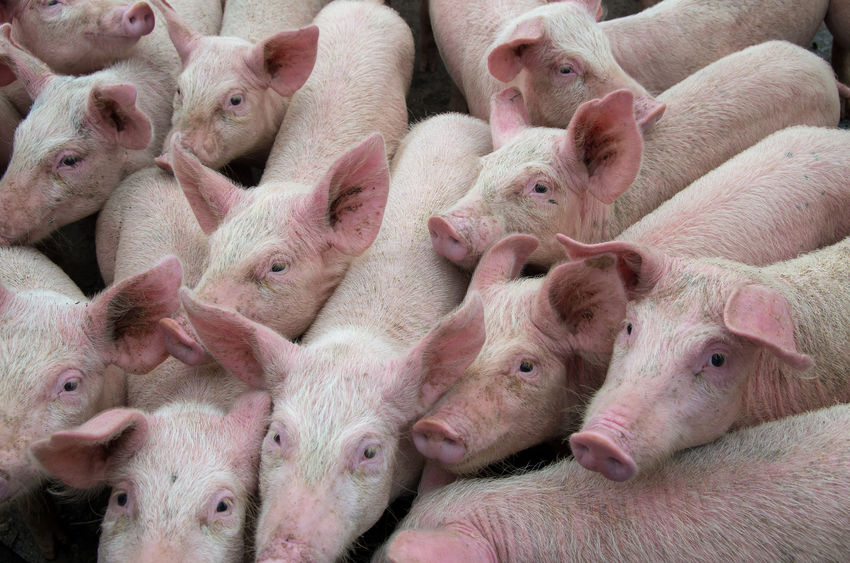
LUCENA CITY — Quezon Rep. Mark Enverga, chairperson of the House committee on agriculture and food, has expressed concern over falling farmgate prices of live hogs despite persistently high retail pork prices, saying both local producers and consumers are bearing the brunt of the disparity.
“The continued decline in farmgate prices of hogs while retail pork prices remain high is alarming,” Enverga said in a statement on Monday, Oct. 12.
Citing data gathered by his office, Enverga said farmgate prices of live hogs dropped from P215 per kilogram in June 2025 to P150 in August 2026, with prices falling to as low as P90 per kilogram in some areas.
Article continues after this advertisement
Despite the decline, retail prices remained high during the same period, with pork belly, or liempo, selling for as much as P380 per kilogram and pork shoulder, or kasim, for P334 per kilogram, he said.
FEATURED STORIES
NEWSINFO
NEWSINFO
NEWSINFO
READ: Pangilinan to probe low farmgate prices of hogs, chicken
Enverga said hog raisers were already incurring losses, but consumers were not benefiting from lower farmgate prices.
“This is why the House committee on agriculture and food is looking closely into the widening gap between farmgate and retail prices,” he said.
“We need to find out where these huge price markups occur along the supply chain and what can be done to address them,” he added.
Article continues after this advertisement
The lawmaker said the House would also review proposals to tighten pork import regulations, adjust existing tariff rates and strengthen enforcement of laws protecting local hog raisers.
“Our goal is to ensure that hog raisers receive fair returns for their efforts while keeping pork affordable for every Filipino family,” he said.
Article continues after this advertisement
Enverga’s concerns echoed those raised by hog raisers and traders in Quezon during a consultative meeting led by the provincial government on Oct. 9. Industry stakeholders highlighted declining liveweight prices and the impact of increased pork imports on their livelihoods.
The provincial government’s Public Information Office said the Swine Stakeholders Consultative Meeting, organized by the Office of the Provincial Veterinarian in Lucena City, brought together industry representatives to discuss challenges facing the local swine industry and identify possible solutions.
The consultation sought to determine the factors behind falling liveweight hog prices, develop immediate measures to minimize losses among raisers and explore long-term solutions to the industry’s difficulties.
Participants also discussed Executive Order No. 116, series of 2026, which increased the Minimum Access Volume for imported pork from 54,210 metric tons to 204,210 metric tons for 2026.
READ: Pork prices remain elevated despite tariff cuts
Industry representatives expressed concern that the substantial increase in imported pork could put further downward pressure on prices of locally raised hogs and threaten the livelihoods of small-scale producers.
The meeting underscored the need for closer coordination between government agencies and industry stakeholders to balance national meat supply requirements and consumer interests with efforts to protect local producers and sustain the domestic swine industry.
Quezon Gov. Angelina Tan, who attended the consultation, said the provincial government had listened to the concerns and recommendations of local stakeholders to help identify solutions suited to the needs of individual municipalities.
Meanwhile, the Department of Agriculture is seeking higher tariffs on imported pork to help shield the domestic industry from declining hog prices and rising import volumes.
The department has submitted a proposal to the Tariff Commission for a staggered increase in tariffs on imported pork. The proposal has since been elevated to President Ferdinand Marcos Jr.
The proposal comes alongside the department’s request for a separate tariff classification for frozen pork jowl, which has become a major import item because of its lower tariff treatment.
Your subscription could not be saved. Please try again.
Your subscription has been successful.
The department has expressed concern that imports of frozen pork jowl are increasingly competing with locally produced pork in both retail markets and the food service sector. /das
KioskNews shows a cleaned-up reading view extracted from the publisher’s page — the original always lives on their site, not ours.