How North Indian Syndicates Are Filling The Mumbai Underworld Vacuum
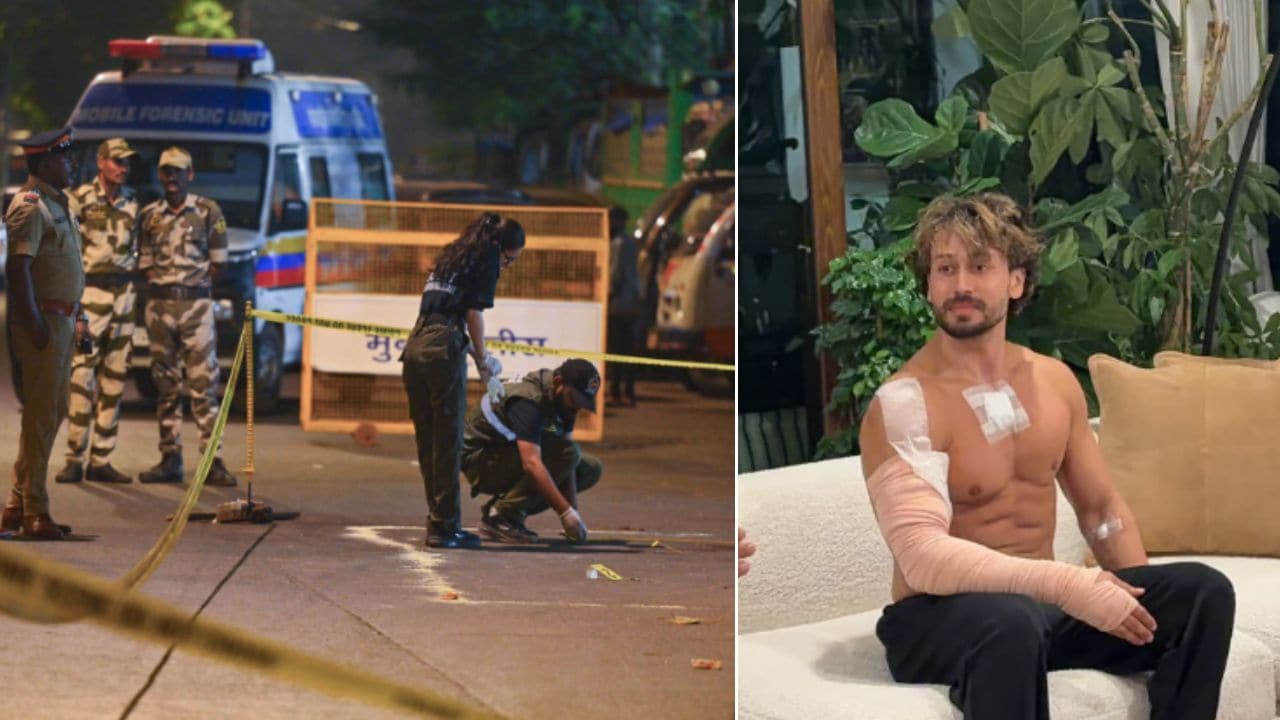
Over the last two decades guns were silent as all the major gangs of the Mumbai underworld collapsed. The Bollywood felt relieved as it was the prime source of revenue from extortion for those gangs. With the firing at actor Tiger Shroff's car this Sunday, the underworld, it appears, has resurfaced. This time the gangs of north India are attempting to capitalise on the vacuum.
The attack on the actor has once again highlighted concerns over the safety of Bollywood celebrities. The incident, reminiscent of a time when the underworld dominated Mumbai, raises pressing questions about the security of film personalities.
On Sunday, three men fired shots at Tiger Shroff's car, he was seated in the front, while he was leaving from a sporting event in Juhu. Although Shroff escaped unhurt, two people were wounded due to bullet injuries. A few minutes later, a social media post by Anmol Bishnoi, of the notorious Bishnoi gang, emerged who took responsibility for the shootout.
Such modus operandi harks back to an era when underworld influence loomed large over the Hindi film industry. The film-makers lived under constant threat, targeted for extortion or personal vendettas.
A Decade of Fear and Violence
The late 1990s and early 2000s were particularly notorious for underworld activities in Bollywood:
Mukesh Duggal Murder (1997)
Producer Mukesh Duggal was shot dead in a gang-related conflict, reportedly due to disputes over financing his films.
Attack on Rajiv Rai (1997): Shooters linked to Chhota Shakeel ambushed the filmmaker outside his Tardeo office. A police constable accompanying Rai saved his life by returning fire.
Gulshan Kumar's Assassination (1997): T-Series founder Gulshan Kumar was gunned down in broad daylight in Versova. Abu Salem's gang carried out the murder allegedly at the behest of rivals.
Rakesh Roshan Attack (2000): Weeks after the release of Kaho Naa... Pyaar Hai, Chhota Shakeel's shooters targeted Roshan outside his Santa Cruz office. Quick medical assistance saved his life.
Ajit Diwani Killing (2001): Abu Salem's gang killed Manisha Koirala's secretary Ajit Diwani for refusing extortion demands.
Lawrence D'Souza Attack (2002): Filmmaker Lawrence D'Souza survived an attack orchestrated by gangster Ejaz Lakdawala.
There were also foiled plans, such as an attempted kidnapping of actor Aamir Khan and filmmaker Ashutosh Gowariker after the success of Lagaan.
How '90s gangs collapsed?
During the 90s the Bollywood came under so much pressure from the gangs that a delegation of film personalities met the then Police Commissioner MN Singh and threatened that the Bollywood will withdraw from Mumbai and shift to Hyderabad.
The pressure from politicians and the film industry led Mumbai Police to deal with the underworld with an iron hand. The Mumbai Police countered underworld influence through a rigorous encounter policy and strict enforcement of the Maharashtra Control of Organized Crime Act (MCOCA). Key gang leaders were either imprisoned or eliminated, leading to the decline of Mumbai's underworld.
Dawood Ibrahim's gang quit making extortion calls to Bollywood by the first decade of this century. Abu Salem's terror ended after his arrest in Lisbon, Portugal in 2002. Chhota Rajan is serving a life sentence after he was arrested in Bali, Indonesia and deported to India in 2015. Similarly, Arun Gawli's gang operation also ended with his arrest and conviction in the murder case of a Shiv Sena leader.
Same terror, changed players
With all the major players neutralised, there was a vacuum in the Mumbai underworld. The police stopped receiving complaints of extortion calls and Bollywood blood no longer spilled on Mumbai streets.
However, things began to change once again in 2023. The Lawrence Bishnoi gang, which primarily operated in the north Indian states, targeted film actor Salman Khan. Its shooters fired gun shots at the actor's residence in Bandra. The Bishnoi gang's biggest hit was in October 2023 when its hitmen killed politician legislator Baba Siddiqui.
Recently, a few Bollywood figures, including film maker Rohit Shetty, have received extortion calls. After a shootout on some prominent personality, the threat calls from the underworld gangs increase as they try to capitalise on the fear psychosis. The attempt to shoot Tiger Shroff clearly indicates that the terror of the underworld in Bollywood is resurging just as the players have changed.
KioskNews shows a cleaned-up reading view extracted from the publisher’s page — the original always lives on their site, not ours.