Why Is Alex Pereira Called Poatan? The "Stone Hands" Meaning Behind The Nickname
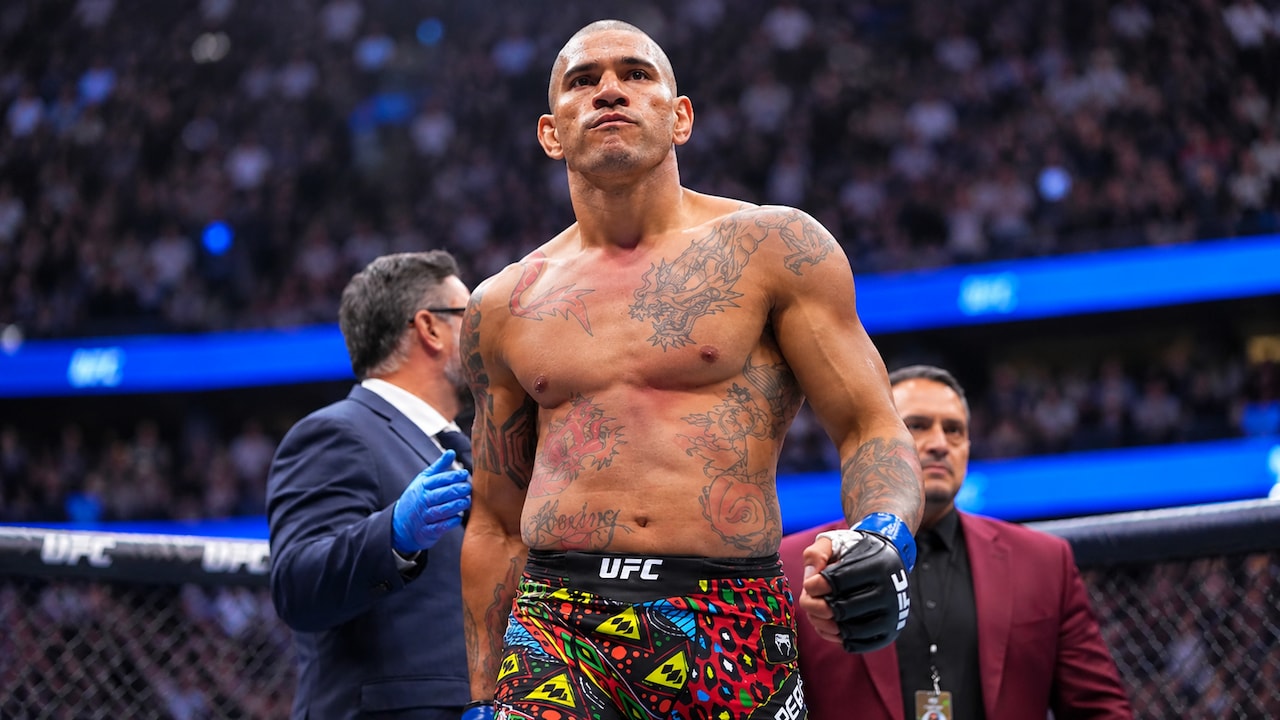
Why Is Alex Pereira Called Poatan? Nickname Meaning Explained© Instagram
Alex Pereira goes by Poatan everywhere he competes, and the name has become so associated with him that it appears on fight posters, ring introductions, and merchandise as if it were a surname. It is not. It is a nickname with a specific origin and a specific meaning, rooted in Brazilian Indigenous language and built around the one thing Pereira has been known for his entire career: the ability to knock people out cold. The name comes from the Tupi-Guarani language, one of the Indigenous languages native to Brazil, and it translates directly to “stone hands.” His first kickboxing coach gave it to him as his striking power became obvious early on. It stuck because nothing about his career has contradicted it.
Where the Tupi-Guarani Language Comes From
The Tupi-Guarani language family is one of the most widespread Indigenous language groups in South America, with roots across Brazil, Paraguay, Bolivia, and Argentina. Pereira has spoken about taking pride in his Brazilian identity and said that learning about Tupi helped him feel connected to something deeper than the sport. The name was not a marketing decision made in a boardroom. It was given to him in a gym, by someone who watched him hit things, and it comes from a language that predates the country he was born in by centuries. That context is part of why Pereira carries it with as much weight as he does. He also has a tattoo of stones and pebbles on his left hand, a permanent reference to the nickname and what it represents.
Poatan and Chama: Two Names, One Identity
Pereira is also known for his battle cry “Chama,” which he uses to rally crowds and has become a signature moment at his fights. The word can mean “flame” or “to call” depending on context, and he has described it as a call to action, something that carries energy in both directions. Together, Poatan and Chama form the public identity he has built since arriving in the UFC: a striker from São Paulo with Indigenous language roots in his nickname, a stone-hand tattoo on his fist, and a finishing rate that makes the name impossible to argue with. His UFC record includes knockouts of Israel Adesanya, Sean Strickland, and Jamahal Hill. The nickname was always accurate. The resume just keeps proving it.
KioskNews shows a cleaned-up reading view extracted from the publisher’s page — the original always lives on their site, not ours.