New duties approved on goods imported via e-commerce
Rates up to 30% will apply to wider range of items to help protect Thai businesses
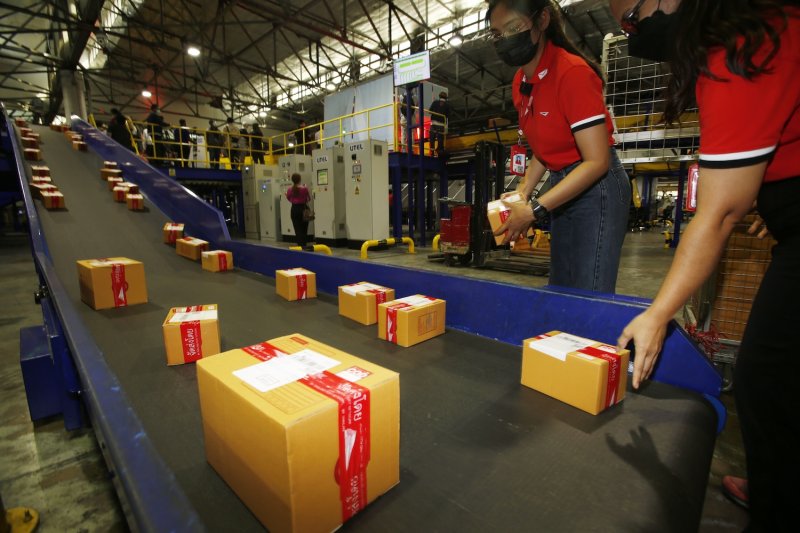
The cabinet has approved import duties of up to 30% for goods purchased via e-commerce platforms, Finance Minister Ekniti Nitithanprapas said on Tuesday.
The taxes are expected to come into force early next year, said Phantong Loykulnanta, director-general of the Customs Department.
He said the revised collection regime would apply to goods entering Thailand through express delivery services and international post.
Duties on purchases made through e-commerce platforms would follow the applicable customs tariff classifications, with rates not exceeding 30%.
The new collection regime does not violate the terms of a free-trade agreement between Asean and China, he said.
The changes would effectively override a Customs Department notification that reduced or exempted import tariffs on goods entering Thailand in parcel form via online platforms. The applicable tariff rates would instead revert to the standard rates for each category of imported goods.
For example, import tariffs on plastic products would increase from 20% to 30%; headphones and microphones from 10% to 30%; women’s handbags from 20% to 30%; fitness equipment from 10% to 30%; clothing would remain at 30%; jewellery from zero to 30%; and sunglasses from 5% to 30%, among other products.
Mr Ekniti said the rapid growth in e-commerce had made foreign goods more accessible to Thai consumers and intensified price competition.
This has made it harder for Thai businesses to compete, and the government decided wanted to ensure that all sellers could compete on a level playing field, he said.
It is expected that the tax collection will increase the government’s revenue by 6.3 billion baht, Mr Phantong said
The measure is aimed at supporting Thai small- and medium-sized businesses, he added.
The government on Jan 1 this year began collecting 7% value-added tax and customs duties on previously exempt imports valued at less than 1,500 baht to help Thai SMEs.
Some other products that were exempt from customs duty would be covered by the new tax, Mr Phantong said.
The Customs Department works directly with major e-commerce platforms and express/postal services to automatically collect and manage taxes at checkout or upon arrival.
KioskNews shows a cleaned-up reading view extracted from the publisher’s page — the original always lives on their site, not ours.