UPLB official defends stray animal policy, cites student injuries
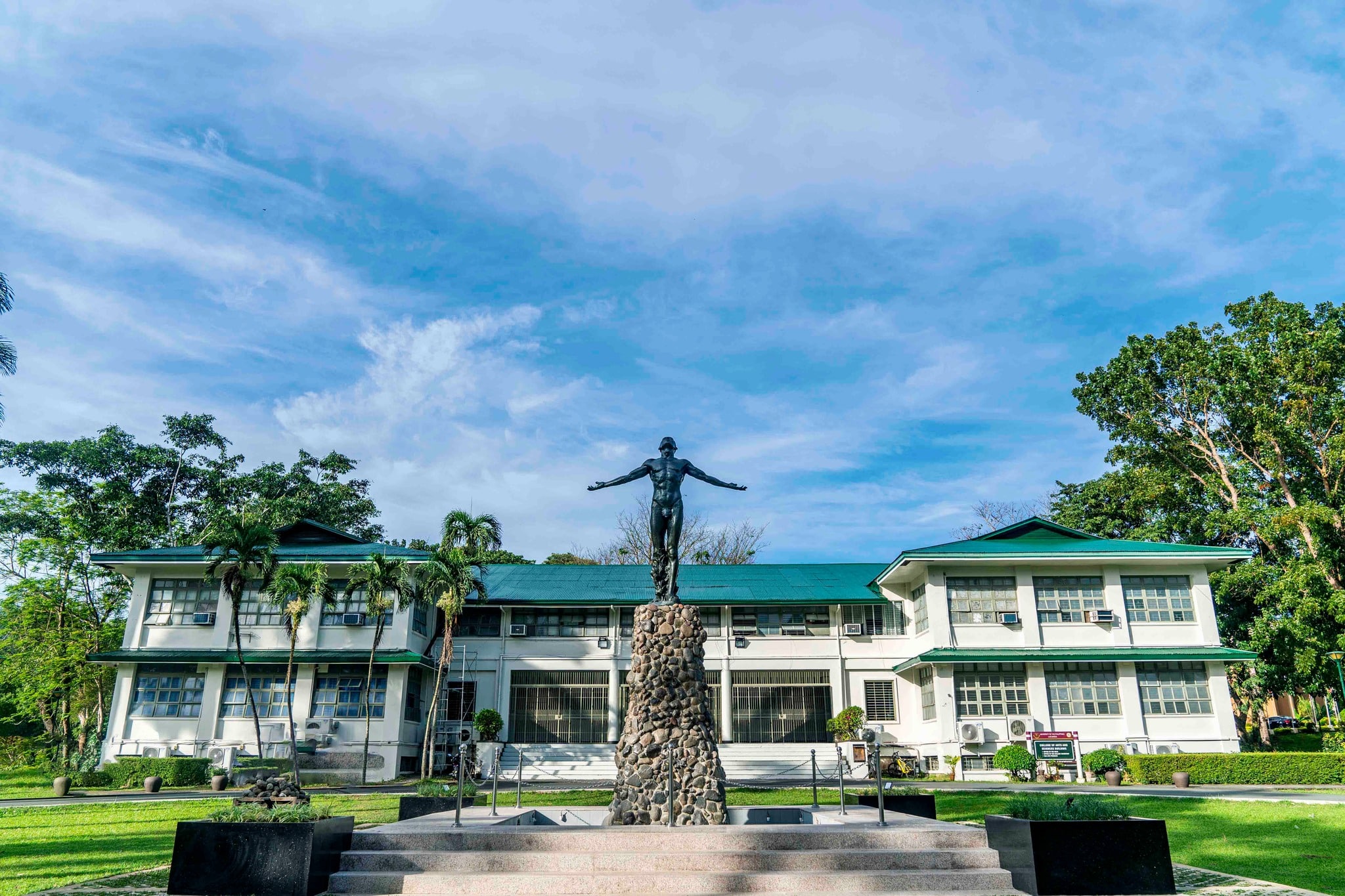

LUCENA CITY – A University of the Philippines Los Baños (UPLB) official defended the school’s controversial stray animal policy, saying the directive was prompted by actual safety incidents involving students and intended to protect everyone on campus.
Assoc. Prof. Janette Malata-Silva, UPLB vice chancellor for student affairs, said on Friday the directive “did not arise out of nowhere.”
READ: UPLB stray animal policy draws criticism“Over recent months, our office has had to directly assist students who suffered dog bites and physical accidents. In one distressing case, a student had to undergo surgery, leaving us to shoulder around P128,000 in medical costs,” Malata-Silva said in a Facebook post.
Article continues after this advertisement
“Beyond the staggering financial weight, there is acute trauma, disrupted studies, and long weeks of painful recovery,” she added.
FEATURED STORIES
NEWSINFO
NEWSINFO
NEWSINFO
She said Memorandum No. 43, Series of 2026, issued by UPLB Vice Chancellor Atty. Eric Paul Peralta on Nov. 4, was not based on “abstract policy points” but on actual incidents involving students.
The memorandum prohibits security guards from feeding or sheltering stray animals, particularly dogs, or allowing them to roam or stay inside and around university buildings.
Under the directive, security personnel must immediately implement preventive measures to keep stray dogs from entering or staying inside university buildings.
These include securing building entrances, requesting the removal of food waste that could attract animals, and promptly coordinating with security officials for appropriate animal-control intervention.
Article continues after this advertisement
READ: Who protects the animals nobody ‘owns’?
The memorandum also prohibits security personnel from colluding with or tolerating individuals who feed stray animals in areas where such activities are not allowed.
Article continues after this advertisement
However, Peralta stressed that all interventions must be carried out safely and humanely, emphasizing that using force to drive away animals and their unauthorized capture are strictly prohibited.
The university’s student publication, UPLB Perspective, posted a copy of the memorandum, which was written in Filipino, on its Facebook page.
The directive drew strong criticism from members of the UPLB community, with numerous commenters questioning the university’s approach to managing stray animals and calling for more compassionate solutions.
Malata-Silva said she understood the strong reactions to the policy, noting that social media discussions have framed the issue as a conflict between animal lovers and advocates of campus safety.
The UPLB official stressed that prioritizing human safety does not mean abandoning compassion for animals.
She noted that the law recognizes both the need to protect public health under the Anti-Rabies Act and the ethical obligations under the Animal Welfare Act.
“In fact, the memorandum explicitly mandates that any intervention must remain humane and safe, with no room for violent or unauthorized handling,” Malata-Silva emphasized.
“Hindi naman kailangang mamili kung tao o hayop ang ating pagmamalasakitan. True compassion is not an either-or choice,” she said.
(We don’t need to choose between caring for people or animals )
READ:De Lima urges lawmakers to pass tougher animal welfare bill
“So, I hope we can stop the hate and start working together,” she appealed.
Among her proposed measures was to establish proper Trap-Neuter-Vaccinate-Return (TNVR) programs in coordination with veterinary experts and animal welfare advocates.
She also suggested setting up designated and monitored feeding stations away from building corridors and heavily used pedestrian areas.
Your subscription could not be saved. Please try again.
Your subscription has been successful.
“We can maintain robust institutional support so that no injured student has to navigate sudden, crippling medical and academic burdens caused by accidents,” she said./coa
KioskNews shows a cleaned-up reading view extracted from the publisher’s page — the original always lives on their site, not ours.