Brits issued rat and mice infestation warning after warm weather

Landlords and tenants are being advised to stay alert this autumn following warnings that rodent insurance claims could rise sharply after recent warm weather created ideal breeding conditions.
Data from Direct Line Landlord Insurance, part of the Aviva Group, shows that emergency cover claims for rodents surged by 57 per cent when comparing September 2025 with October of the previous year.
According to the insurer, October and November represent the busiest months of the year for pest issues, with claims rising by a further 9 per cent month-on-month during November before subsequently falling back down.
Rats and mice remain the most widespread pest issue affecting rental properties, representing nearly eight in 10 (79 per cent) vermin-related emergency cover claims across 2025 and the first half of 2026.
Although rodents accounted for the vast majority of cases, bed bugs, wasps and squirrels were also the subject of other claims.
As seasonal temperatures begin to drop, the insurer warned that rats and mice are likely to head indoors in search of food, warmth and shelter, increasing the overall risk of home infestations.
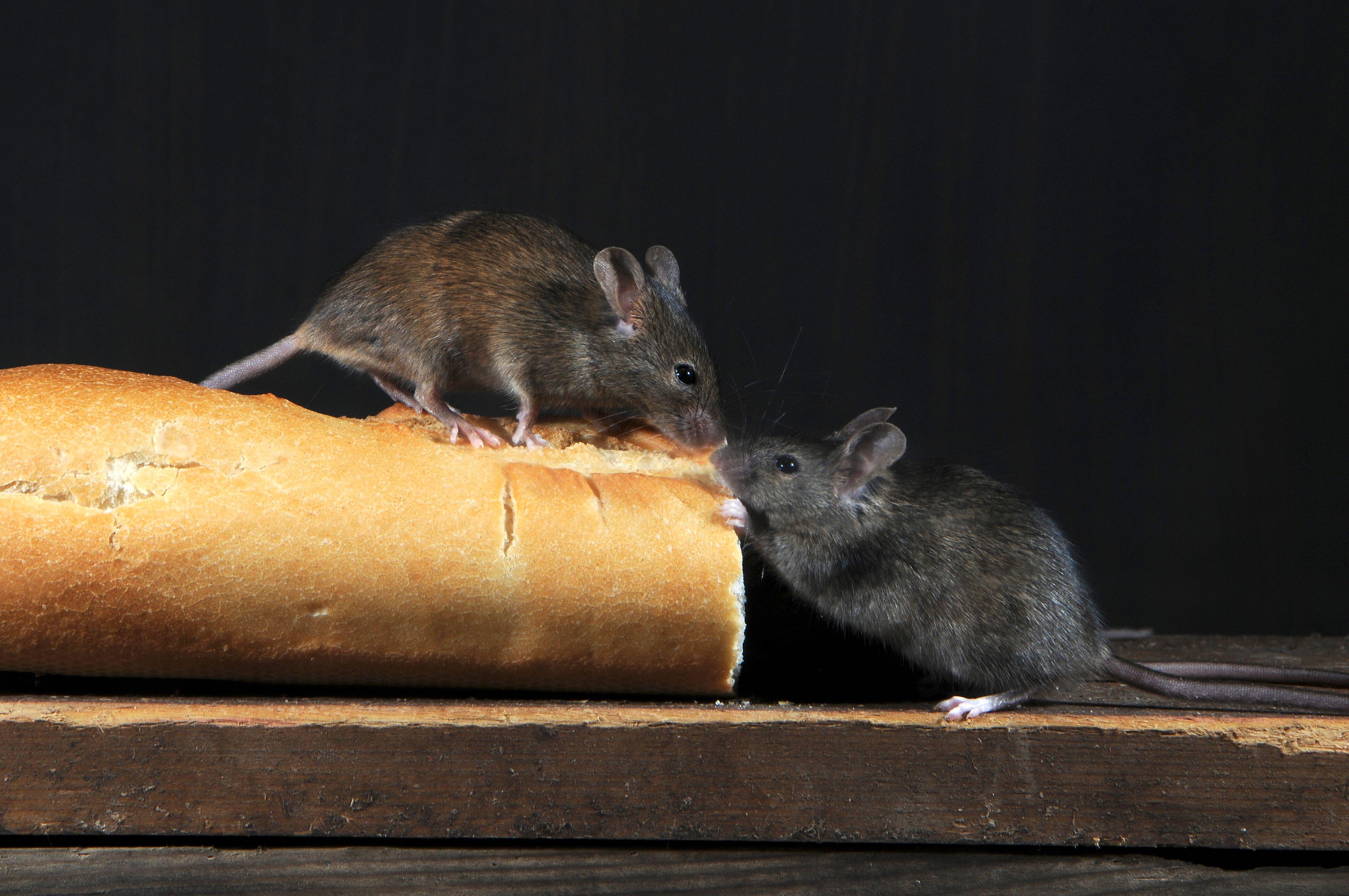
It said a survey found nearly a third (31 per cent) of landlords had experienced a rat or mouse infestation in at least one of their rental properties during the past two years, with an average cost of around £315 for pest control, cleaning and repair services.
Nearly two-thirds (62 per cent) of landlords who had experienced pests said they had taken steps to help prevent infestations during the past two years, but had still experienced them.
More than half (57 per cent) of tenants who had experienced pests also said they had taken preventative steps during the past two years, but still encountered infestations.
Some 1,300 people, including landlords and people who rent privately in the UK, were surveyed by Censuswide in September.
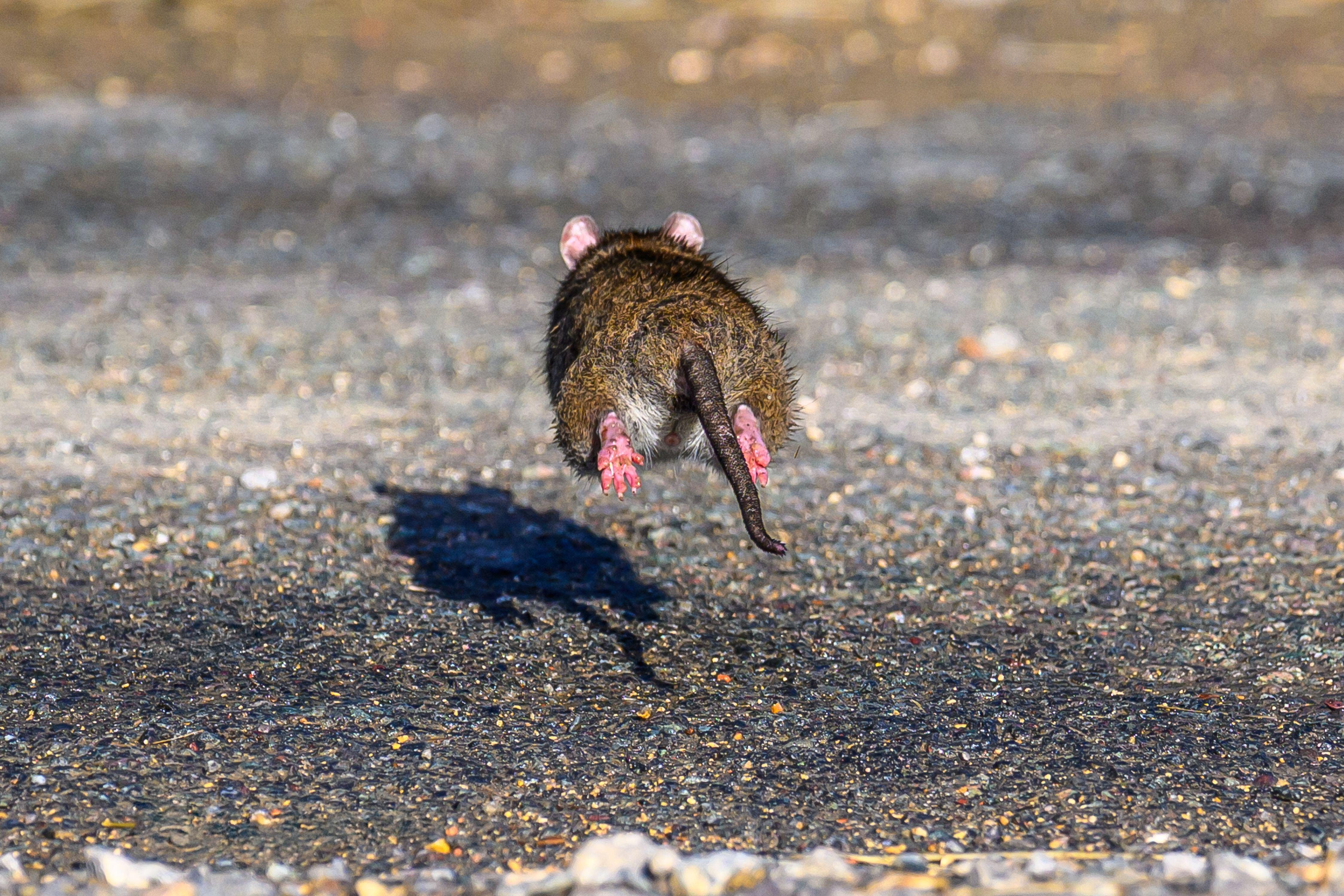
Sarah Casey, trading lead for Direct Line Landlord Insurance at Aviva, said: “Rats and mice can quickly become a major headache for both landlords and tenants if they gain access to a property.
“As well as posing hygiene concerns and affecting people’s wellbeing, rodents can cause damage to wiring, insulation and pipework, leading to costly repairs and disruption for property owners and residents alike.
“Our data shows that autumn is the peak season for rat and mouse-related claims made under landlord emergency cover, with incidents rising sharply between September and October.
“As we move into autumn, landlords and tenants should remain vigilant for signs of pest activity.
“Simple measures such as sealing potential entry points, storing food and waste securely, and acting quickly at the first sign of an infestation can help reduce the risk of pests taking hold.
“Landlords should also review their insurance cover regularly to ensure they understand the protection they have in place.”
Here are some tips from Direct Line Landlord Insurance for preventing pest problems:
- Seal gaps and cracks around doors, windows, pipes and drains to help prevent pests entering the property.
- Repair damaged vents, brickwork and exterior openings that could provide easy access routes for rodents and other pests.
- Store rubbish in secure, tightly sealed bins and dispose of waste regularly to avoid attracting pests.
- Keep food stored securely and clear away crumbs, spillages and food waste promptly.
- Maintain gardens, sheds and outdoor spaces, removing clutter, vegetation and debris where rodents may nest or shelter.
- Watch for early signs of pest activity, such as droppings, gnaw marks, nests, unusual odours or scratching noises, and take action quickly if you spot them.
KioskNews shows a cleaned-up reading view extracted from the publisher’s page — the original always lives on their site, not ours.