How wildfires are threatening Indonesia’s economy and carbon market
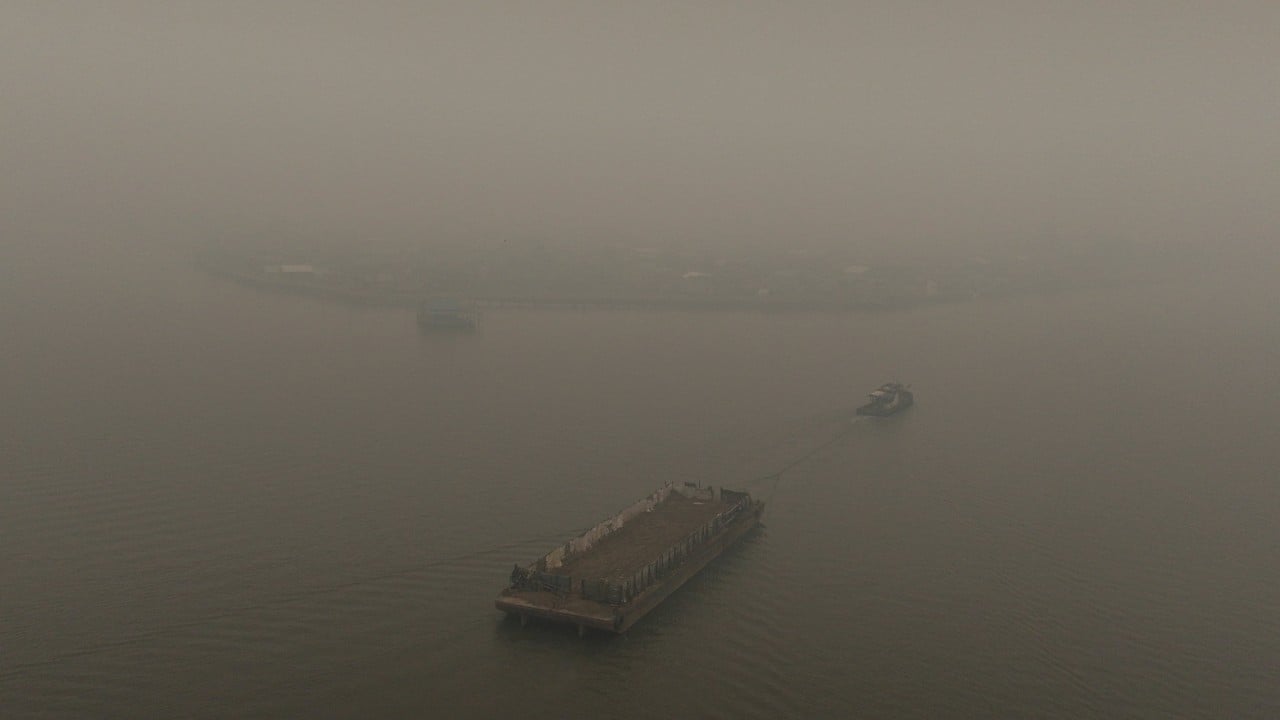
Forest and peatland fires raging across Indonesia are threatening to become more than an environmental emergency, with analysts warning that the thickening haze could weigh on economic activity, strain public health and test confidence in the nation’s fledgling carbon market.
Indonesia is no stranger to forest and peat fires, but this year’s super El Nino has helped make it the country’s most intense wildfire season in 11 years. Toxic haze and smoke have also drifted to neighbouring countries such as Singapore, Malaysia and the Philippines, forcing some employers to impose work-from-home policies while numerous schools have resorted to remote learning.
A health crisis is also in the offing. Data from the Indonesian health ministry last month showed that acute respiratory infection cases topped 15.6 million from January 1 to August 20 this year.
The ministry recorded 400,000 new respiratory infection cases per week at the height of the dry season between the end of July and the beginning of August.
KioskNews shows a cleaned-up reading view extracted from the publisher’s page — the original always lives on their site, not ours.