Pakistan risks deeper instability as political feud threatens counterterrorism efforts
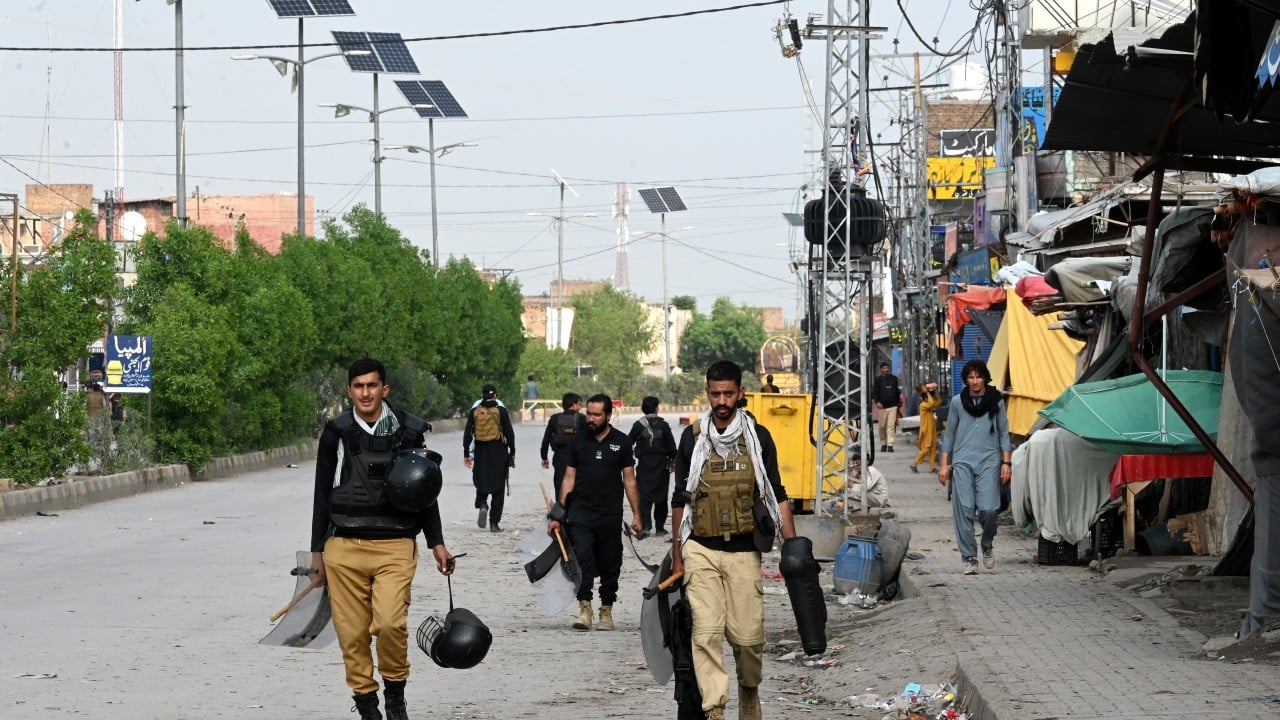
Pakistan’s counterterrorism campaign against Taliban insurgents risks being undermined by public resentment, following the dismissal of the opposition-led administration of Khyber Pakhtunkhwa (KP) province.
According to a statement issued by Prime Minister Shehbaz Sharif’s office after an emergency cabinet meeting last Sunday, the decision to impose temporary federal rule was necessitated by the “provincial government’s deliberate disengagement from the fight against terrorism”.
The KP provincial administration, led by the Pakistan Tehreek-e-Insaf (PTI) party, had refused to support intensified military operations against Tehreek-i-Taliban Pakistan (TTP) militants, despite surging levels of violence over the last few years.
Instead, the KP provincial assembly has passed several resolutions questioning the efficacy of counterterrorism operations and threatening to block them, while the PTI-led administration rallied resistance by tribal elders in the most afflicted districts bordering Afghanistan.
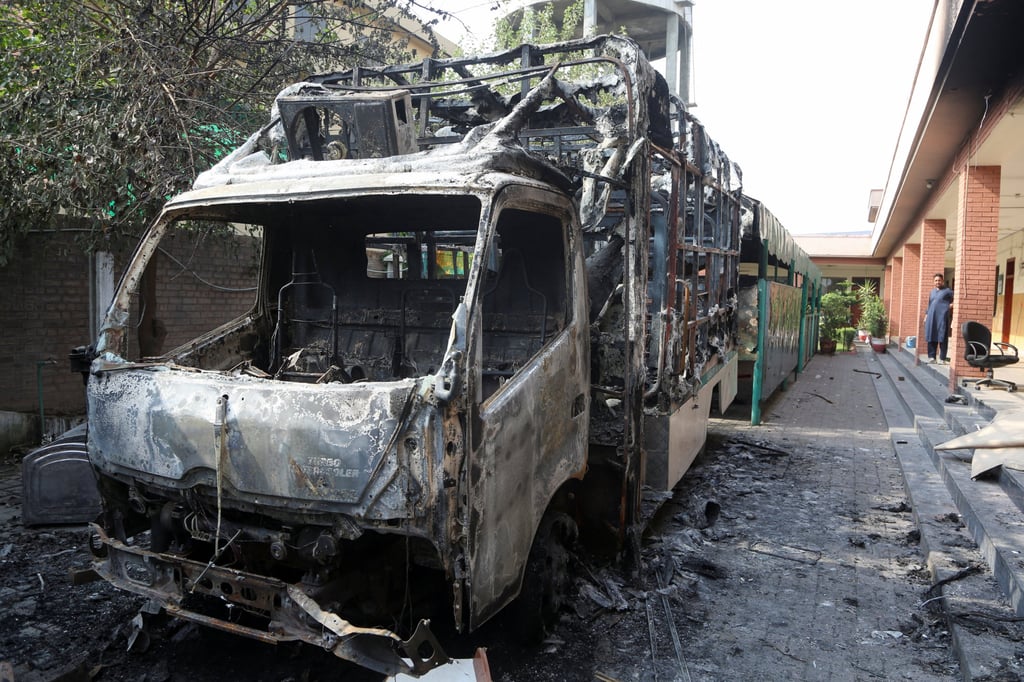
According to Abdul Basit, an expert on militancy and senior associate fellow at the S. Rajaratnam School of International Studies at Singapore’s Nanyang University of Technology, this partisan politicking led to a breakdown in counterterrorism coordination between the federal and KP governments.
This deprived the counterterrorism campaign of the “extremely, extremely critical” unanimity needed to effectively combat the rampant TTP, Basit said.
Instead, the resulting “blame game” over security failures in KP made national counterterrorism policy “controversial and politicised”.
Basit said this left the federal government with “no other way” than to impose an emergency in KP, where the monthly TTP casualty toll had climbed to an “alarming” 270 to 300 people.
“This year is the most volatile year since Pakistan started fighting terrorism” after the September 11 attack on the US by al-Qaeda, he said.
Underlying the KP administration’s intransigence was the PTI’s feud with the civil-military hybrid government in Islamabad over the imprisonment of the party’s leader and former prime minister Imran Khan, after his conviction on corruption-related and other charges.
Khan’s journey from political obscurity to high office, followed by imprisonment on controversial charges, is typical of Pakistani power politics.
For decades, the country’s powerful military – which has directly ruled Pakistan for roughly half of its 79-year history – has propped up lawmakers and parties, only for relations to sour and defiant politicians to be jailed, sidelined or exiled.
Khan and the PTI rose to power in 2018 with the support of the military and judiciary, a year after Sharif’s elder brother Nawaz Sharif was removed as prime minister by the Supreme Court on flimsy grounds in a ruling that has since been overturned upon review.
Khan’s government fell in April 2022 after the military withdrew support over its mismanagement of Pakistan’s economy, which left the country on the brink of a Sri Lanka-like default on international payments.
Later that year, the head of the military’s Inter-Services Intelligence agency held an unprecedented press conference to announce it would remain politically neutral in the future.
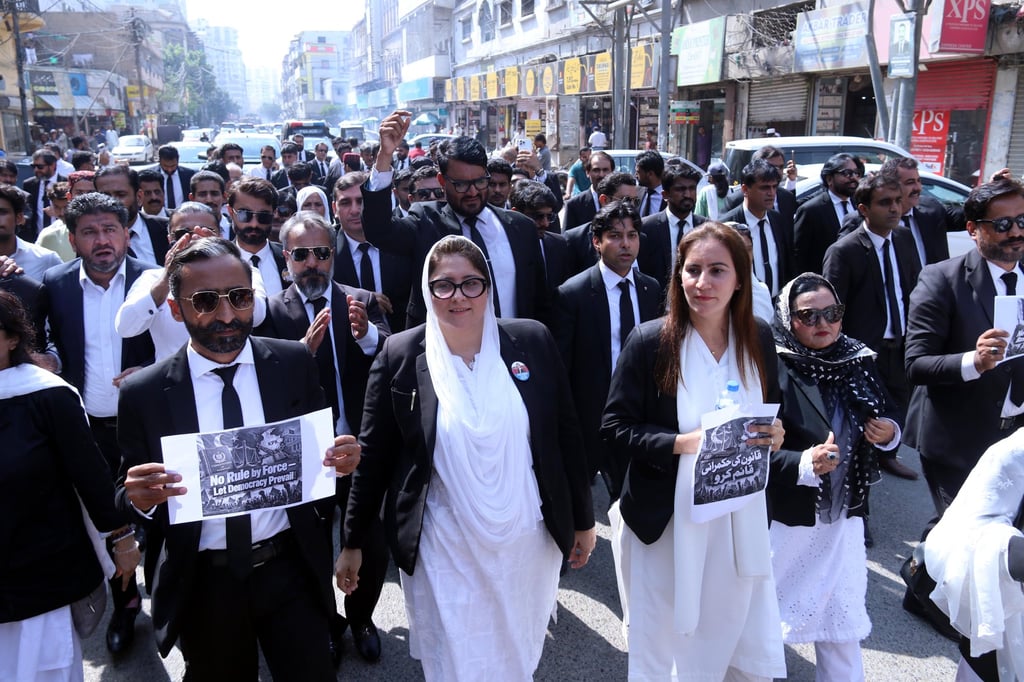
However, tensions between Khan and the generals reached boiling point in May 2023, when his arrest by security forces sparked rioting and mob attacks against military installations – some of it facilitated by serving and retired military officers, to the government’s horror.
Despite a multitude of hurdles erected by federal authorities during the February 2024 general election, the PTI emerged as the single largest party, mostly due to the loyalty of voters in KP, which the party had governed since 2013.
The PTI’s loss of authority there has deprived the party of its remaining leverage in the corridors of power.
Ominously, public resentment against the politically dominant military and its counterterrorism operations may be the last card it has to play, analysts worry.
PTI chairman Gohar Ali Khan called the sacking of the KP government “an extremely alarming and grave political mistake”.
In a social media post on Sunday, he said the province’s people would “never accept such actions against their rights”, adding that “peace cannot be established, nor stability brought, by ignoring this mandate, weakening provincial autonomy and creating conflict between the federation and the province”.
Farwa Aamer, director of South Asia initiatives at the New York-based Asia Society Policy Institute, said Pakistan’s internal divisions “make the situation more vulnerable”.
Political instability had been “one of the contributors to the fragile security situation” the country had experienced over the past 20 years, Aamer said.
A harmonious political situation would enable a more effective and focused security policy to tackle insurgencies in KP and western Balochistan provinces by the TTP and ethno-nationalists respectively.
“That is what the global investors also seek when they look into, say, investing in the country’s mineral sector,” Aamer said.
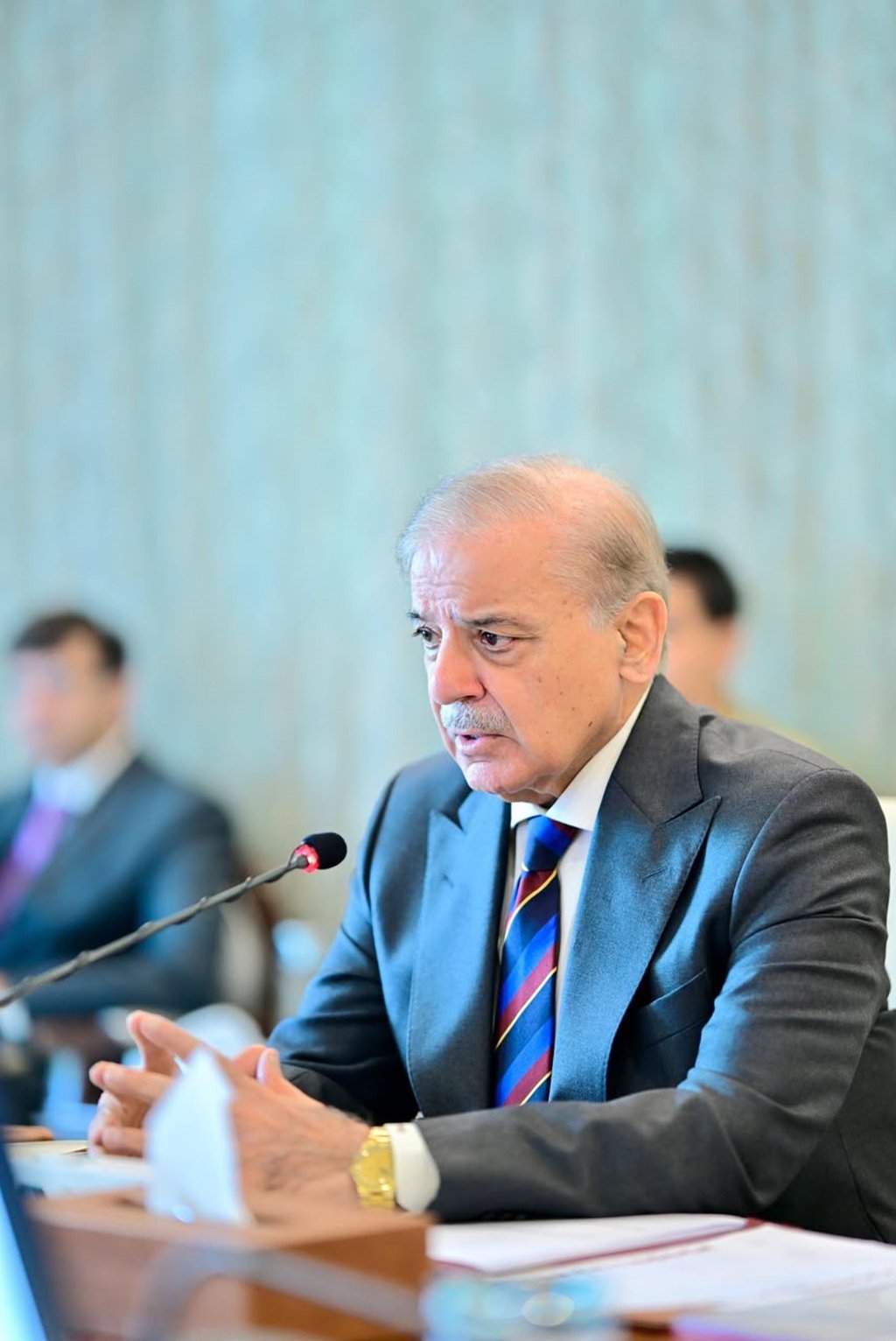
The economic fallout from the tussle over counterterrorism policy was one of the reasons Sharif cited to justify imposing emergency rule in KP last Sunday.
“I will not allow them [the PTI] to destabilise the economy,” Sharif told his cabinet.
But the “genuine security crisis” was unlikely to be solved by greater central government involvement in KP, said Elizabeth Threlkeld, a former US diplomat who served in Peshawar, the provincial administrative centre.
The PTI remained “widely popular” in KP, and efforts to further limit the party’s political space “can backfire” at a time when the population was already under significant pressure from militant attacks and security operations, said Threlkeld, who is now director of the South Asia programme at the Stimson Centre think tank in Washington.
Warning that “it is all but impossible to undertake effective counter-militancy operations without the cooperation of the affected population”, she said the dismissal of the KP administration “risks generating further resentments and driving centre-provincial tensions at a critical moment”.
The inability of the government and opposition to reach a consensus on security policy “is especially concerning”, Threlkeld said.
The political controversy complicated counterterrorism policy by amplifying concerns about the disruptive impact of military operations on the lives of residents in affected areas, Basit said.
During past operations in the last two decades, residents have been forced to evacuate for months at a time with relatively little help from authorities, and many returned to find their homes and livelihoods destroyed.
Basit feared “non-kinetic” aspects of counterterrorism policy key to its lasting success – political ownership and good governance, alongside the rehabilitation of conflict-affected areas – could remain “unfulfilled” unless Islamabad convincingly responded to the KP public’s criticism of past military operations and scepticism about the efficacy of new ones.
“These are questions that the [Pakistani] state needs to answer clearly,” he added.
KioskNews shows a cleaned-up reading view extracted from the publisher’s page — the original always lives on their site, not ours.