Blade Runner Is Officially Changing Genres

Ben Sherlock is a Tomatometer-approved film and TV critic who runs the massively underrated YouTube channel I Got Touched at the Cinema. Before working at Screen Rant, Ben wrote for Game Rant, Taste of Cinema, Comic Book Resources, and BabbleTop. He's also an indie filmmaker, a standup comedian, and an alumnus of the School of Rock.
Ridley Scott’s Blade Runner didn’t make a huge splash when it debuted in theaters in 1982 (along with fellow bone-chilling cult classic The Thing, it got buried at the box office by schmaltzy, feel-good E.T.), but it has since been recognized as one of the most groundbreaking and influential sci-fi movies ever made. Blade Runner practically invented a subgenre of its own, combining the thought-provoking themes and future speculation of science fiction with the smoky, rain-drenched intrigue of a detective noir. Rick Deckard is exactly the kind of grizzled gumshoe that Humphrey Bogart would’ve played in an old black-and-white thriller, except the crime-ridden city he operates in is a neon-drenched Los Angeles of the not-so-distant future.
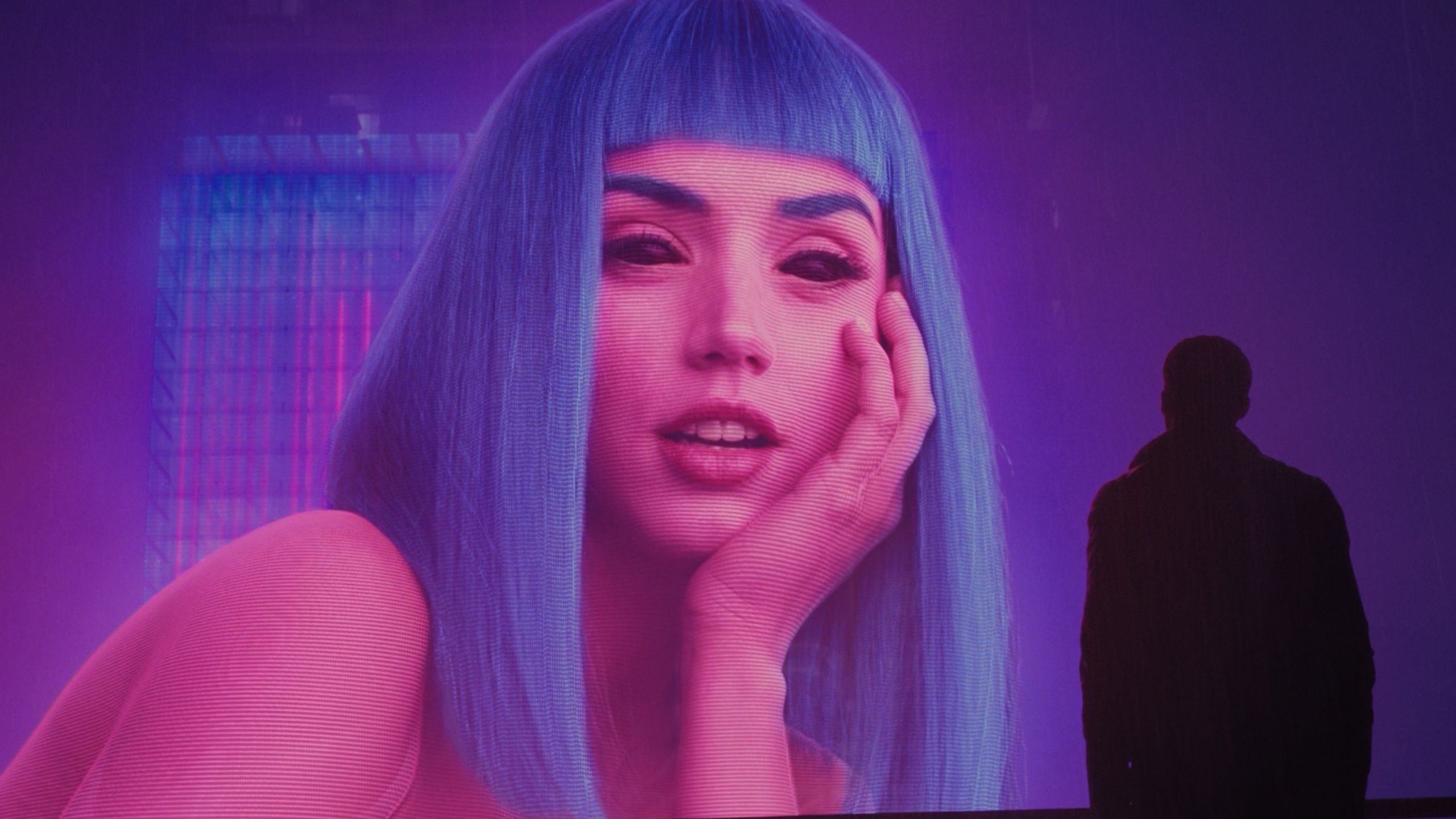
Cyberpunk existed long before Blade Runner bombed at the box office — its own source material, Philip K. Dick’s Do Androids Dream of Electric Sheep?, was one of several seminal novels that pioneered this genre on the page — but Scott created the visual language that we now associate with “tech noirs” like The Terminator and Altered Carbon and Ghost in the Shell. He brought the heavy rainfall and urban decay of a classical noir onto the neon-soaked streets of a futuristic metropolis filled with ugly, monolithic skyscrapers and giant, holographic ads, pounding corporate branding into the disillusioned souls dining at outdoor noodle bars and commuting to huge, dystopian office blocks.
Denis Villeneuve recaptured Scott’s signature aesthetic in the long-awaited sequel, Blade Runner 2049, and used modern filmmaking technology to expand the world. He took us to a desolate San Diego, a post-apocalyptic Las Vegas, and a creepy, fluorescent-lit facility housing monstrous scientific creations, all while maintaining the foggy, rain-battered atmosphere and cold emotional disconnect of Scott’s original masterpiece.
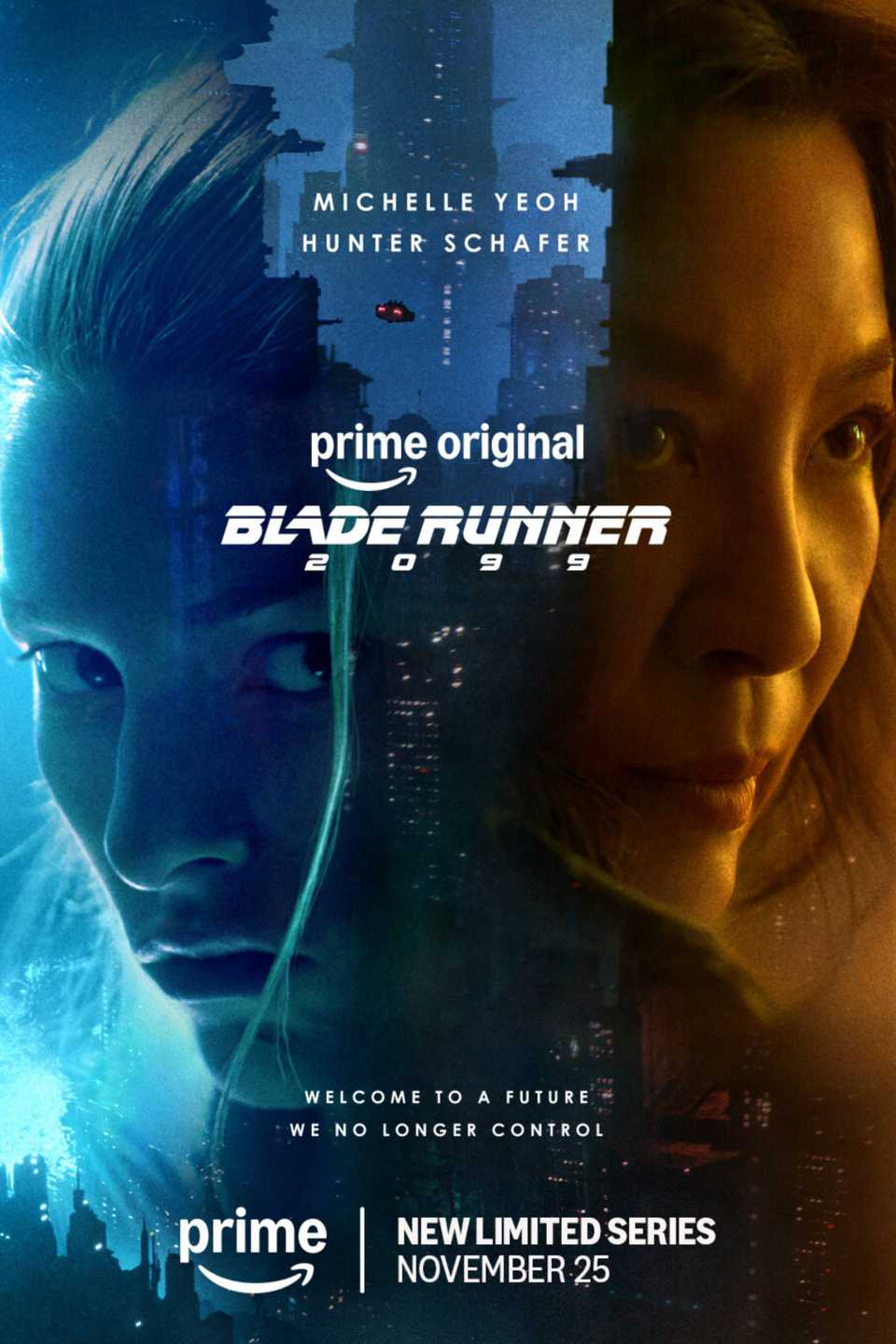
On November 25, Prime Video will finally premiere Blade Runner 2099, a Blade Runner streaming series that’s been in development since 2021. While its trailers promise a visual masterpiece on par with its big-screen predecessors, the series is doing something very different.
Blade Runner 2099 Is Bringing Some Much-Needed Hope To The Franchise
Both Blade Runner movies have a pretty cynical outlook on the world. The studio forced Scott to recycle outtakes from The Shining into an unconvincing happy ending in the countryside, but his true vision is a more ambiguous conclusion that leaves Deckard questioning his identity, wondering if he really is a replicant. Blade Runner 2049 ends with Deckard reuniting with his daughter, but there’s a bittersweetness after all the lost time, and Officer K’s lonely, miserable, meaningless death in the snow is a pretty bleak note to end on.
But according to creator and showrunner Silka Luisa (via Empire), Blade Runner 2099 will have a much more optimistic outlook. Luisa has described the series’ visual style as “sunshine noir.” It’s still drawing from the cinematic language of old hard-boiled noirs, but it’ll have much brighter cinematography, and a much warmer color palette, to reflect a more hopeful future where the replicants have freed themselves from their oppressors.
Blade Runner 2099 is completely flipping the script on Blade Runner’s original premise. In the movies, replicants are a stand-in for every marginalized minority group, and born-and-bred human beings represent the privileged, silver-spoon-in-hand ruling class. The humans keep the replicants living in fear and poverty, sending the L.A.P.D.’s gun-toting goon squad to systematically track them down and eliminate them. But by the time we pick up in Blade Runner 2099, 50 years later, the replicants have led a successful revolution against the human race, so the social hierarchy has been turned on its head. The humans have been dethroned, and now, the replicants are running the circus.
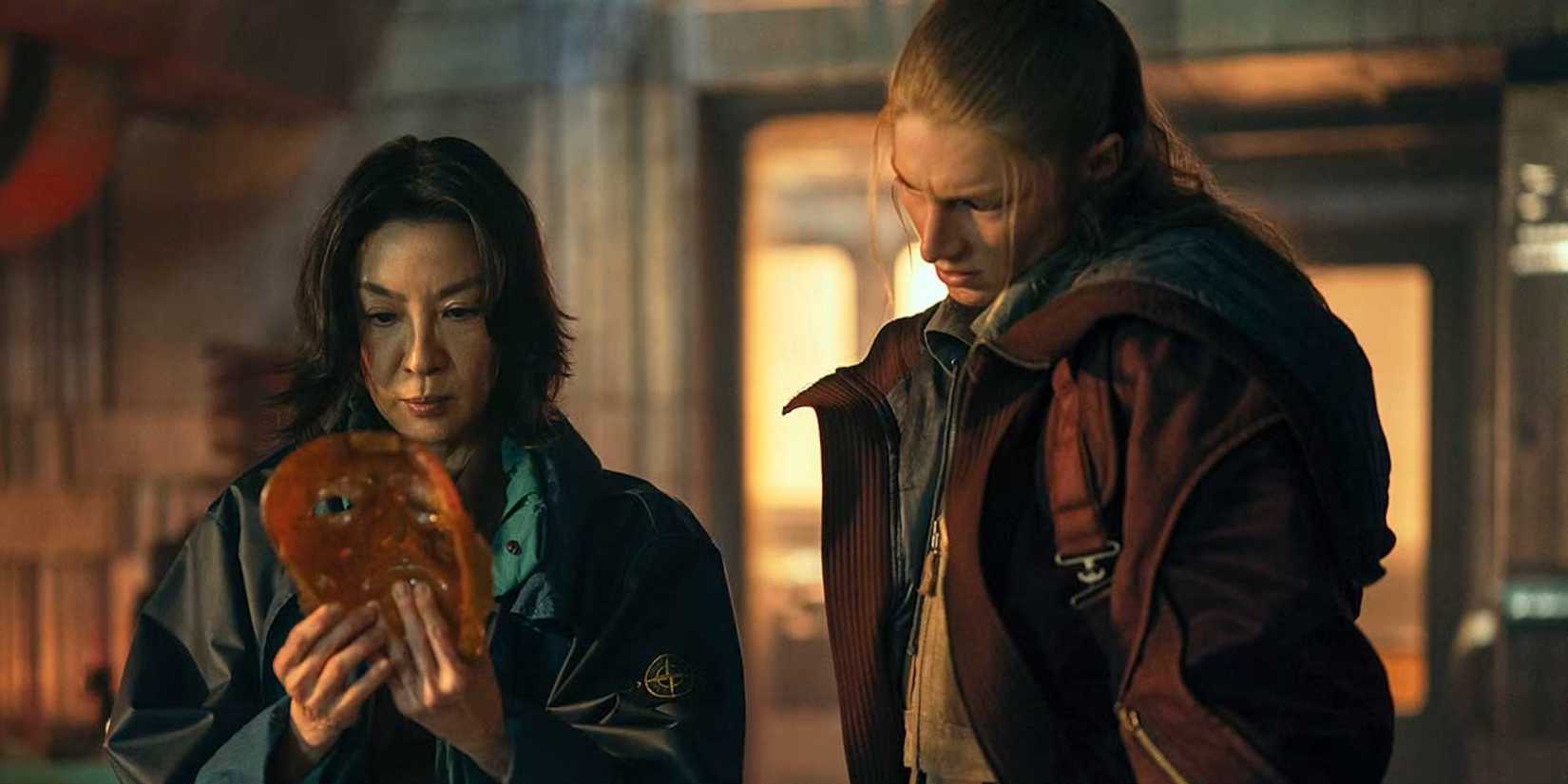
After two beautiful but brutally bleak outings, it’ll be refreshing to see Blade Runner tell a sunny, optimistic story for once. Blade Runner 2099 stars Michelle Yeoh as a replicant blade runner nearing the end of her lifespan and Hunter Schaefer as a human pretending to be a replicant in this brave new replicant-led world. Those index-card character descriptions alone sound like worthy successors to Deckard and K and Roy Batty.
Source: Empire
Blade Runner 2099
- Release Date
- 2026 - 2026-00-00
- Network
- Prime Video
- Showrunner
- Silka Luisa
- Directors
- Jonathan van Tulleken
KioskNews shows a cleaned-up reading view extracted from the publisher’s page — the original always lives on their site, not ours.