Torrential rain over seven months needed to bring England out of drought, experts warn
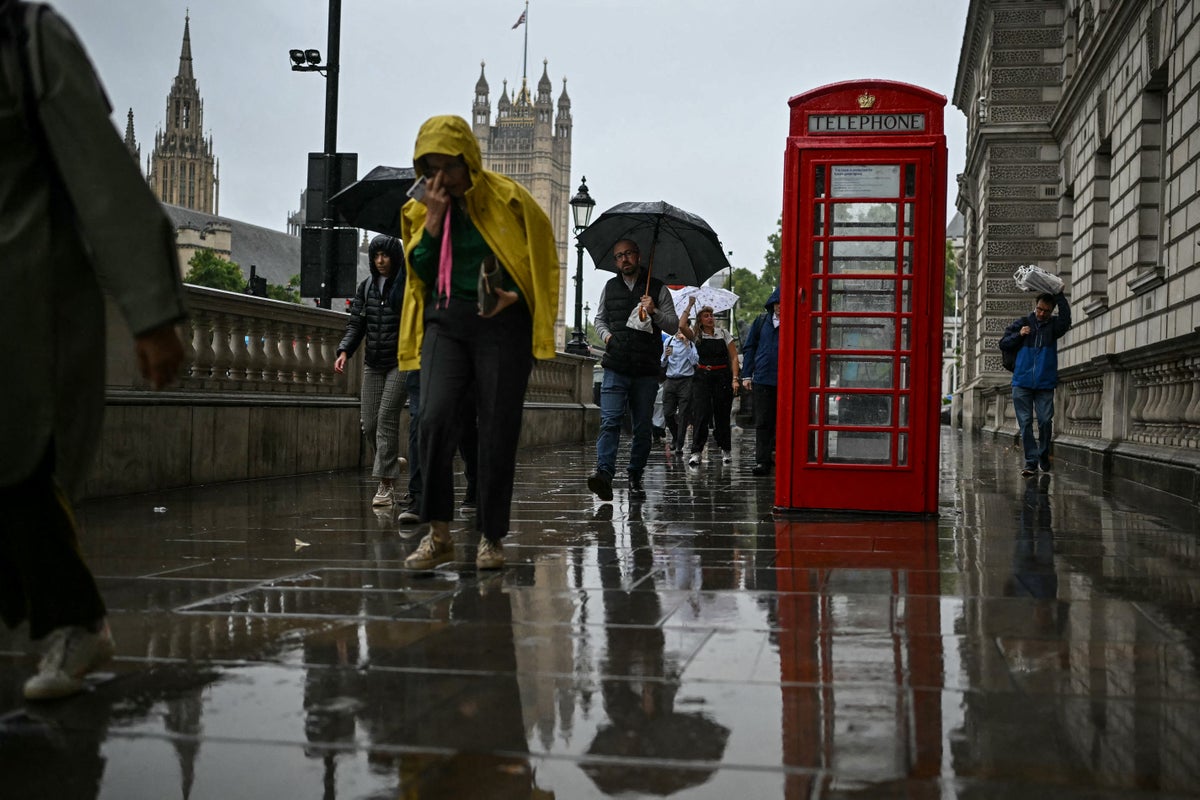
Torrential rain over the next seven months would be needed in order to bring much of the country out of drought, the Environment Agency has warned.
With almost three quarters of England still in drought after an exceptionally dry spring and summer, new research has shown the country would need 120 per cent of typical rain for all areas to be considered no longer in drought.
The National Drought Group, which includes the government, Met Office, regulators, water companies, farmers, conservation experts, anglers and Canal & River Trust, has been meeting weekly in order to monitor the drought and coordinate efforts as part of a heightened incident response.
The nation has not seen as severe a drought since 1976, the Environment Agency said, adding that there is a roughly one in four chance that around half the country will still be in drought next spring, with a one per cent chance of a severe drought in the coming months.
The watchdog compared the rain needed to get the UK out of drought with rainfall from September 2025 and March 2026, where England received 130 per cent of its typical rainfall. That rain provided an initial buffer for England’s water resources through a dry spring, which saw just over half (56 per cent) of typical rainfall across England.
While El Niño is expected to put the UK at greater risk of a wet, stormy autumn, areas like Devon & Cornwall are expected to still be in drought by the start of April next year, according to the data.
The summer saw 64 per cent of expected summer rainfall, resulting in a very difficult harvest for farmers and impacts on fish stocks, bird populations, and wider ecosystems. While much of the UK has seen rain in recent weeks, the Met Office is now forecasting the second half of September will see a return to drier conditions, particularly in the south where the rain is needed the most.
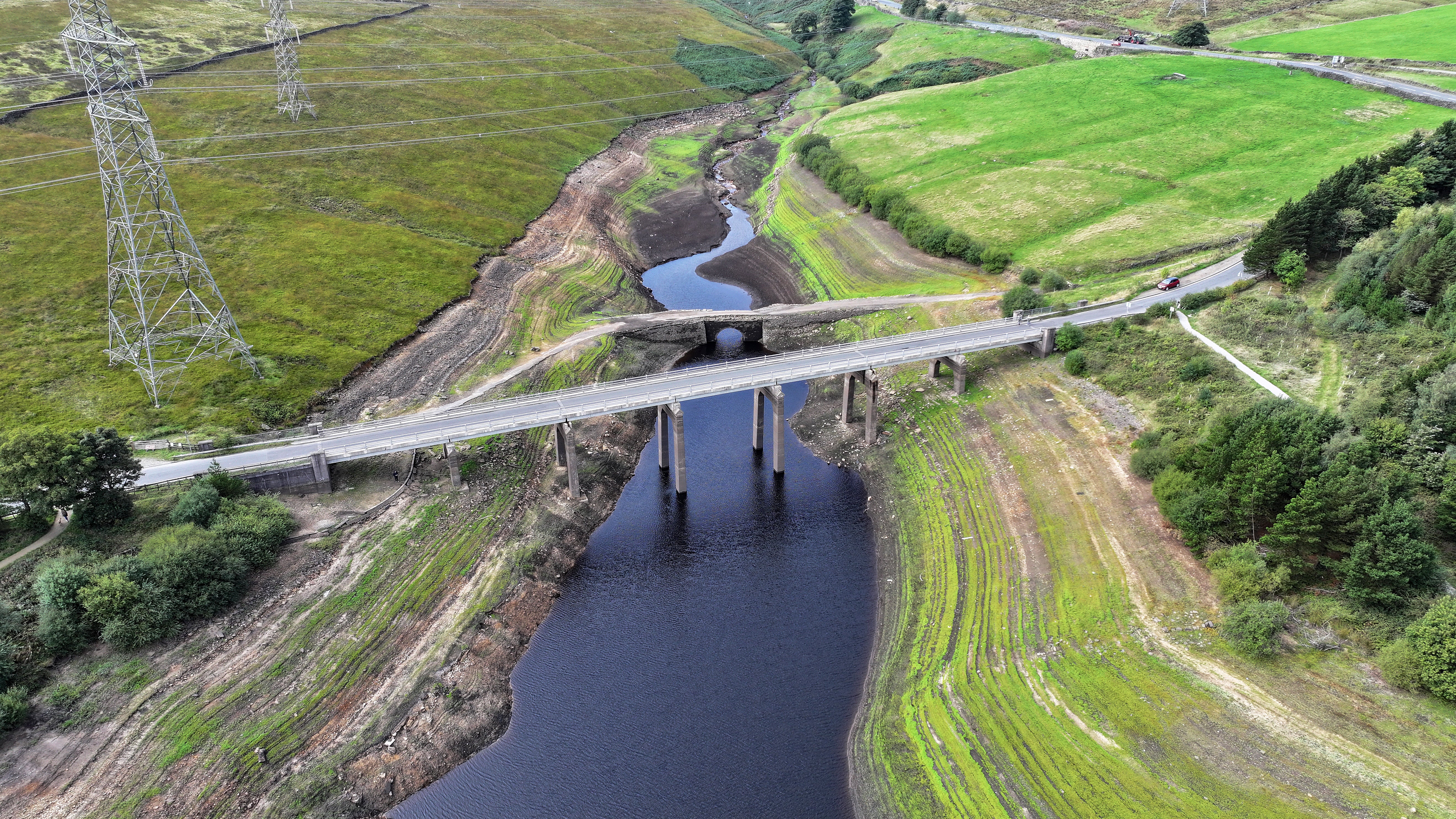
Water minister Emma Hardy said the recent rainfall was not enough to replenish the water lost over the last six months and called on water companies to carry out water efficiency measures, including fixing leaks.
“The recent rainfall is not yet enough to replenish all the water we’ve used over the last six months, and I will be carefully monitoring the actions of water companies which will be vital as we go through the autumn.
“They need to maintain momentum. We expect to see leaks fixed quickly, drought plans followed without delay and continued work to reduce demand to help avoid any further restrictions.
“Long-term resilience is a priority for this government, and we are working with water companies and regulators on nine major reservoirs to secure future supplies.”
Environment Agency chief executive Philip Duffy, who chaired the meeting, said that the drought remained “very serious” as several reservoirs remained low.
“The drought situation remains very serious, and we cannot underestimate the challenge ahead over the coming months.
“Several reservoirs are concerningly low, and we need water companies to take every action possible to secure water supplies going into next year, including stepping up on leakage reduction and following their drought plans.
“Water supplies are limited and we continue to balance the needs of agriculture, public water supply and our environment.
“A few weeks of rain cannot reverse the deficit we face from the very dry spring and summer. We still need everyone’s else to use a little less water to speed up the drought recovery.
“Autumn rainfall is set to help top up water levels but could lead to flooding in some areas. Flood water is very difficult to store for public water supply because it arrives so rapidly and is high in sediment and nitrates that run off from the land.
“The developing El Niño is one of several factors that could influence the UK’s weather, with previous El Niño winters associated with a greater chance of wet and windy conditions in late autumn and early winter, and colder, calmer conditions later in the season.”
KioskNews shows a cleaned-up reading view extracted from the publisher’s page — the original always lives on their site, not ours.