Supreme Court takes up Exxon, Suncor challenge to climate lawsuits
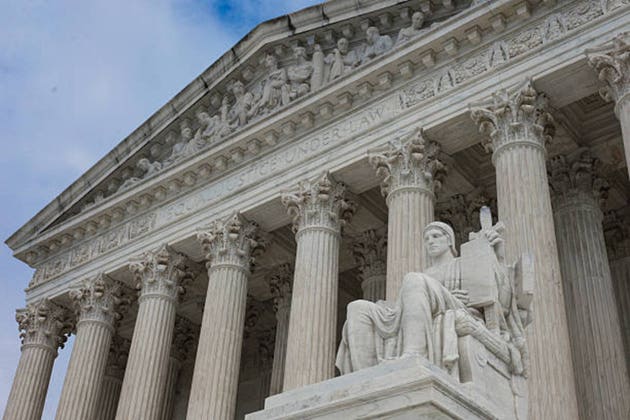
Fintan Trimble/iStock via Getty Images
The U.S. Supreme Court opens its new term Monday with arguments in a closely watched case that could determine whether ExxonMobil (XOM) and Suncor Energy (SU) can be held liable under state law for costs attributed to climate change.
The dispute stems from a lawsuit filed by the city and county of Boulder, Colorado, accusing the oil producers of contributing to climate change and misleading the public about the risks associated with fossil fuels. Boulder is seeking compensation for expenses including infrastructure repairs, emergency management, environmental damage and public health effects.
Exxon (XOM) and Suncor (SU) appealed after the Colorado Supreme Court allowed the case to proceed. The companies contend that federal law, including the Clean Air Act, prevents state and local governments from pursuing claims that effectively seek to regulate greenhouse-gas emissions. The Trump administration has backed the companies' position.
The stakes extend well beyond Colorado. Nearly 60 state and local governments have filed similar lawsuits seeking billions of dollars from fossil-fuel producers. A broad Supreme Court ruling for Exxon and Suncor could provide grounds for dismissing many of those cases.
For energy investors, the case represents a potentially significant liability issue. A victory for Exxon (XOM) and Suncor (SU) could reduce the industry's exposure to a growing collection of climate-related lawsuits and the possibility of large settlements or damage awards. A ruling favoring Boulder could allow more cases to move toward trials, increasing legal uncertainty and potential costs for major oil and gas companies.
The case also continues a broader battle over how much authority states have to address climate-related harms. Industry supporters argue that allowing individual states to impose liability for emissions generated through a global market could effectively let them regulate activity far beyond their borders.
Energy companies have generally fared well before the Supreme Court in major disputes over federal environmental authority during the past two decades. The court currently has a 6-3 conservative majority, although Justice Samuel Alito has recused himself from the Exxon-Suncor case.
A decision is expected by the end of June. The court's new term will also feature major cases involving the Trump administration's immigration policies and state restrictions on assault-style firearms.
Dear Readers: We recognize that politics often intersect with the financial news of the day, so we invite you to click here to join the separate political discussion.
KioskNews shows a cleaned-up reading view extracted from the publisher’s page — the original always lives on their site, not ours.