Spirit of Hong Kong Awards: veteran who keeps flame of Cantonese opera alive
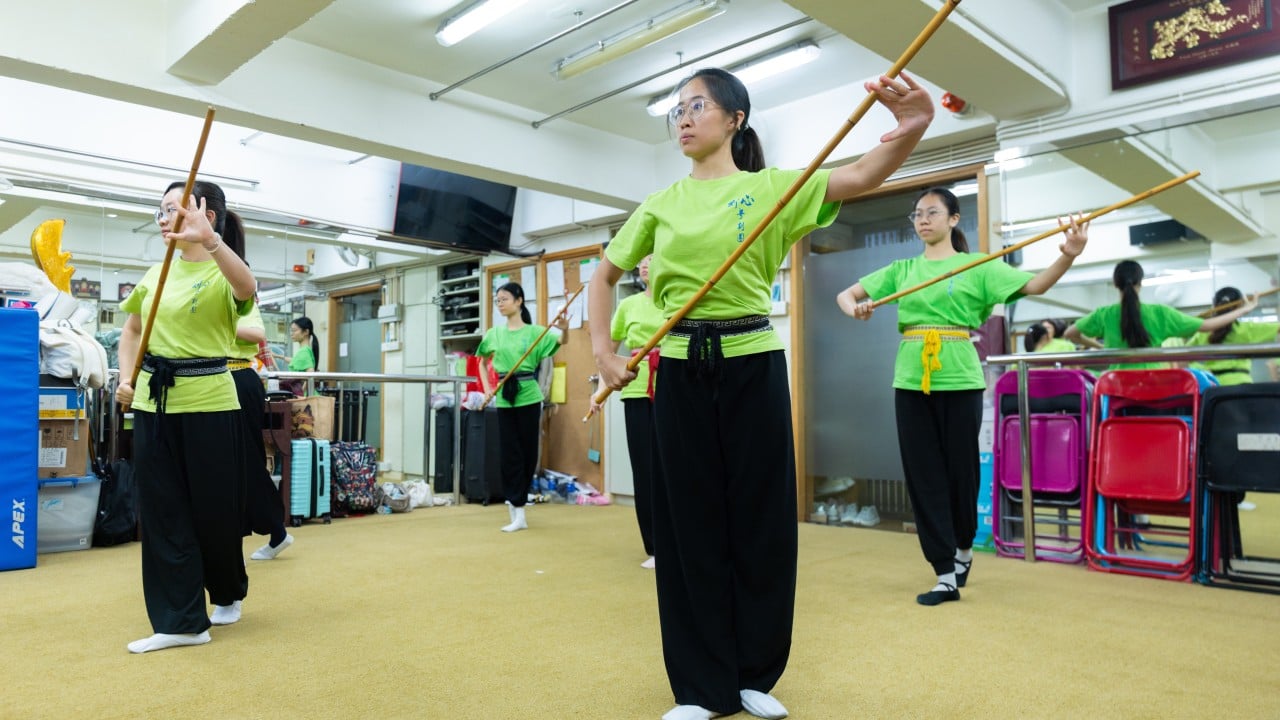
Veteran Cantonese opera teacher Leung Sum-yee does not expect every child who enters her classroom to become a performer. If they leave knowing what good Cantonese opera sounds and looks like, she considers that worthwhile too.
“My purpose was not to train stars or idols. I wanted more people to understand Cantonese opera and to have more audiences,” she said.
That approach has guided Leung through more than three decades of teaching and cultural advocacy.
She founded an opera organisation in 1994 that was renamed Kim Sum Cantonese Opera Troupe two years later. It runs classes for children, teenagers and adults and brings Cantonese opera into schools and the community.
Leung was also among the first practitioners to introduce Cantonese opera teaching in schools, an area she has worked in for decades. Some of her former students have since gone on to professional careers in the art form.
Leung is a finalist in the culture category of the Spirit of Hong Kong Awards, co-organised by Sino Group and the South China Morning Post.
Her own introduction to the art form came through family members who enjoyed watching Cantonese opera. She began learning at about four and later trained under veteran playwrights, gaining experience both onstage and behind the scenes.
Teaching eventually became a major part of her work. Leung said young students need to understand the fundamentals, from movement and vocal projection to diction and theatrical conventions, even if they have no intention of entering the profession.
“If you want to try being a performer, you have to learn the skills properly and understand the rules,” she said.
To make the art form more accessible to beginners, Leung has written simpler pieces for young students instead of relying solely on excerpts from famous classics. Some take on contemporary issues, including scams, to introduce moral ideas through Cantonese opera.
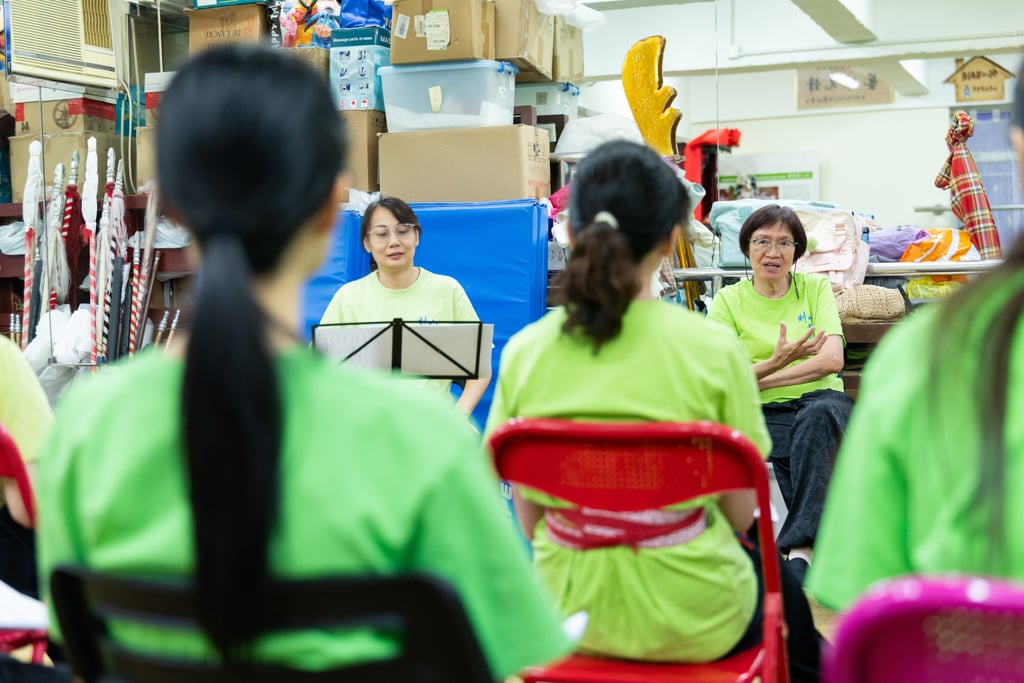
She said modern subjects could be used without discarding the techniques and values that give the art form its identity. The same principle applies to audiences, as greater familiarity allows people to recognise stronger performances and expect more from professional performers.
Leung’s chief disciple, Doris Kwan Hoi-shan, said she had grown up training at Kim Sum before becoming a professional Cantonese opera performer. She later became involved in helping with teaching, administration and school outreach.
“The most important thing my teacher taught us, apart from Cantonese opera, was how to conduct ourselves,” Kwan said.
This included greeting people properly, thanking others and recognising the work of backstage crew. Kwan said she now teaches those same manners to younger students.
Among younger students of the troupe, some said they had been introduced to Cantonese opera by grandparents or other relatives, while others said training had improved their speech, vocal projection and confidence. One student who had yet to perform publicly said she had already learned backstage etiquette, including thanking others and recognising the efforts of those working behind the scenes.

Leung also adopts a flexible approach when school work demands more attention. Students preparing for examinations are allowed to take a break from rehearsals and return afterwards.
Her former student Lee Sze-wai nominated Leung for the award. Lee said her former teacher’s contribution was evident in the achievements of former pupils who had gone on to professional careers, while Leung herself had continued teaching without seeking recognition.
Leung hopes to keep teaching and creating more opportunities for students to perform in front of new audiences.
“If we have an opportunity, we should put our best work on stage,” she said. “If audiences remember us and word spreads, that may open the door to another opportunity.”
The Spirit of Hong Kong Awards were established in 2013 to recognise society’s unsung heroes and organisations whose contributions may be overlooked.
KioskNews shows a cleaned-up reading view extracted from the publisher’s page — the original always lives on their site, not ours.