Having ‘hot baths’ could ease pain for disease which affects 1 in 5 over 60s, experts say
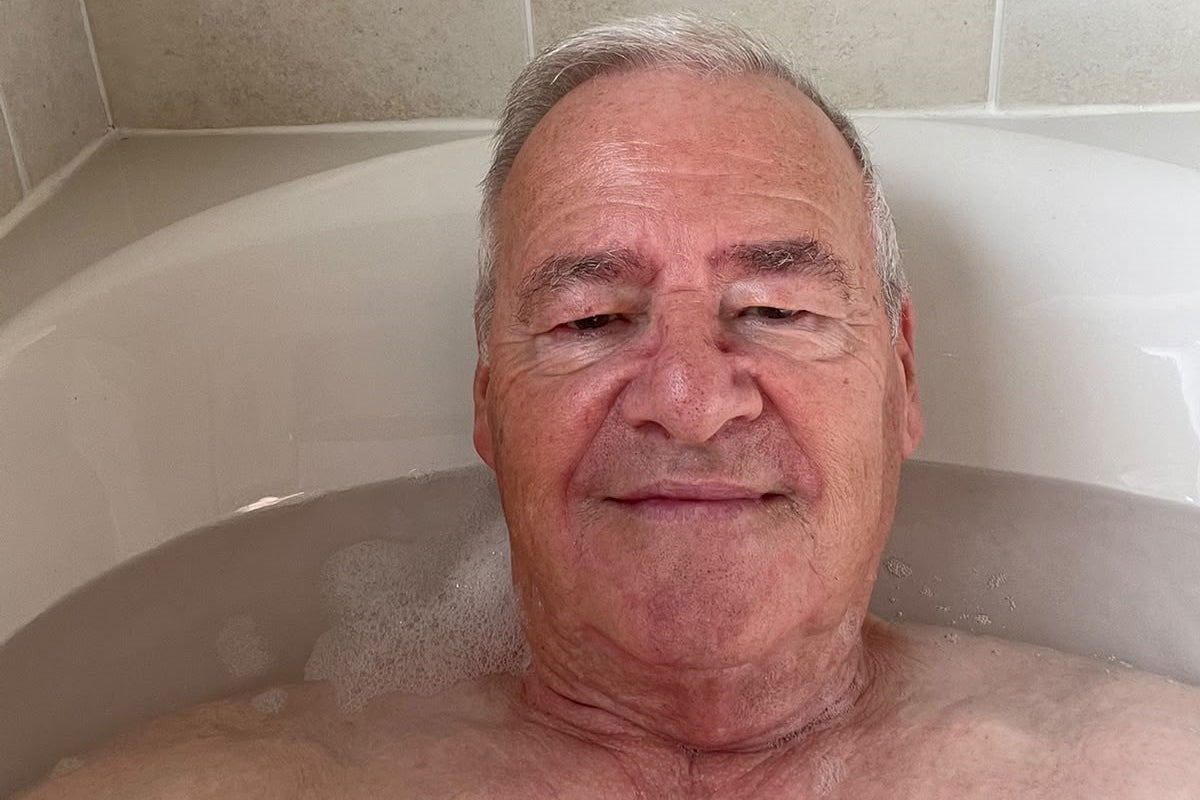
Taking a regular soak in the bath may ease discomfort linked to a widespread circulatory condition, according to specialists.
A new study is examining if routine bathing offers relief for peripheral artery disease, an ailment impacting one in five individuals over the age of 60.
Participants in the trial will sit in swimwear inside a hot tub three times a week for eight weeks.
Supported by funding from the British Heart Foundation (BHF), the trial involves individuals remaining submerged up to their shoulders in 40C water during 40-minute sessions.
Regina Giblin, senior cardiac nurse at the BHF, added: “Soaking in a bath or hot tub can be a good way to relax and there is evidence that doing this regularly may be good for the heart.
“So, it will be very interesting to see if hot baths could also help to alleviate the symptoms of peripheral artery disease.
“Living with pain, which strikes after walking only a short distance, has a real impact on people’s wellbeing and independence.
“They may find physical activity uncomfortable, so it would be incredibly useful to find other strategies for managing PAD which could help alongside exercise.
“Until there are results from this project, however, we would always advise people with cardiovascular concerns to speak to their GP or cardiac nurse before using hot tubs or taking very hot baths, especially if they’ve experienced angina, arrhythmias, or unstable blood pressure.”
The condition, commonly referred to as PAD, develops when arteries transporting blood from the heart become narrowed by a build-up of fatty material. It most frequently affects the legs, often causing pain while walking.
It is hoped that this frequent heat therapy will successfully restore circulation to the legs and lessen pain.
However, researchers warn patients with PAD against changing their bathing routines without consulting their GP, as spending extended periods in hot water can cause a drop in blood pressure.
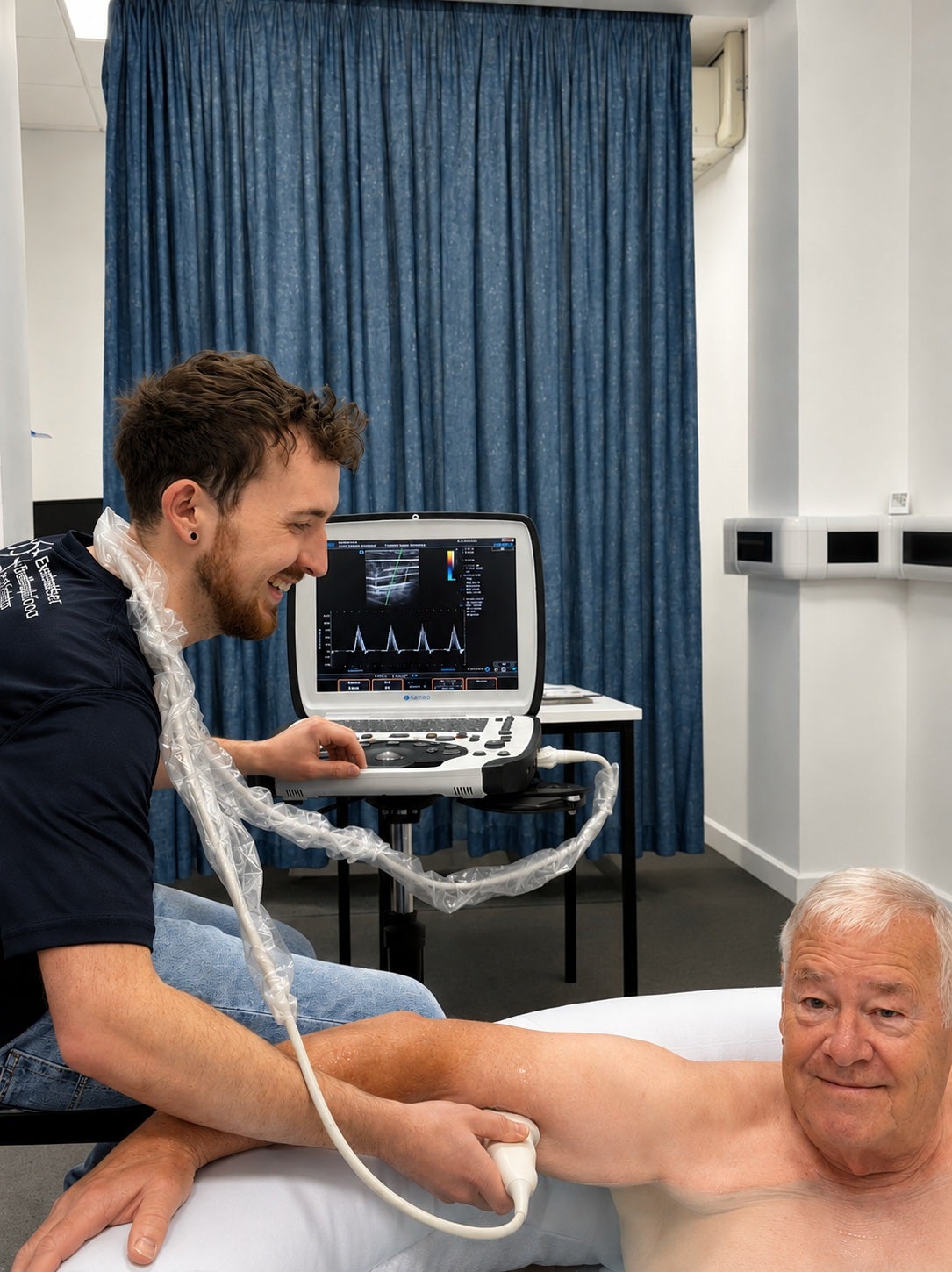
The study, led by experts at Manchester Metropolitan University, will involve 70 people with the disease.
People have already started taking part in the study, with one person reporting changes as a result.

Ken Heywood, a retired engineering manager, said he was able to “tackle his Everest” – a steep hill in his local park – after taking part.
The 75-year-old grandfather, from Stockport, Greater Manchester, said: “After the heat therapy, I finally reached the top of my Everest – the Vernon Park hill – in August.
“I immediately sent a text message to the researcher leading the study to tell him I’d done it.
“It may sound small, and I still had to stop a couple of times, but it felt like a huge achievement.
“This study really did feel as if it worked for me, to reduce my pain and extend the distance I could walk, and I hope it’s proven to be effective, so heat therapy might be available to more people.”
Some people with the disease can only walk 30 steps before reporting pain, the BHF said.
The research team will measure how far people can walk before and after the heat therapy sessions, as well as reported changes in pain and discomfort.
Study lead Amy Harwood, professor in clinical exercise physiology at Manchester Metropolitan University Institute of Sport, said: “People with PAD are often advised to exercise to increase the blood flow to their legs.
“But the pain they experience can make walking and exercise less than enjoyable.
“If a hot tub or bath can provide similar benefits to exercise, then that could be much more pleasurable for people.
“It is up to people how they take their bath, and whether they want to include bubbles or a rubber duck, but the hot water is the important element, which we know has important cardiovascular benefits.
“We hope we will find evidence that it can relieve the pain of PAD, and improve people’s quality of life.”
KioskNews shows a cleaned-up reading view extracted from the publisher’s page — the original always lives on their site, not ours.