The Age of Bad CGI Movies Is Over

August is a freelance film writer. She studied journalism and cinema at American University. She is a member of the journalism honor society, Kappa Tau Alpha. August has written for various networks and publications, including PBS, Gargoyle Magazine, TheThings, and Identity Theory Magazine. Before returning to entertainment writing, August worked in the Automotive section of U.S. News & World Report. In her free time, August enjoys watching movies in theaters, watching movies at home, listening to podcasts about movies, reading books about movies, watching video essays on movies, talking about movies, thinking about movies, and doing crosswords.
Computer Generated Imagery (CGI) is among the greatest and most controversial innovations in modern filmmaking history. Audiences were first introduced to 2D CGI in Michael Crichton’s 1973 sci-fi Westworld. The 1976 sequel, Futureworld, featured cinema's first 3D computer imagery. A year later, George Lucas expanded on the technology with the first wireframe 3D CG (via Empire). Digital effects continued to advance throughout the 1980s, but primarily acted as a mere bridge where practical effects left off.
In the early 1990s, Steven Spielberg collaborated with Industrial Light & Magic (ILM) to create textured, computer-generated dinosaurs. The mere minutes of entirely CG dinosaurs in Jerassic Park proved that computers could produce apparently living, breathing, and emoting creatures. It was off to the races from there. The first entirely CGI movie arrived just two years later, Pixar's Toy Story.
By the end of the 20th century, digital special effects were not just for sci-fi features. Titanic, James Cameron’s Oscar-winning drama, leaned heavily on CGI. Quickly, motion-capture, facial capture, and CG artificial intelligence rose to popularity with features such as Lord of the Rings and Avatar. CGI was a film industry standard by the early 21st century, with entire movies regularly built around the technology. Recently, audiences and filmmakers alike have started to turn away from CG in favor of practical effects and creative ingenuity.
21st Century Movies Have Leaned Heavily on CGI

By the early 21st century, formerly high-dollar CGI software could be accessed for little-to-no cost. In 2002, the popular CGI program, Maya, dropped from $7,999 to $1,999 and the new Soft Image 3D 4.0 cost just $1,485 (via The Credits). This innovation opened the door to fantastical stories, rendering fictional worlds and creatures in lifelike detail.
In the 2000s, CGI-centric superhero installments, fantasy book adaptations, and Disney live-action remakes rose to dominance. Actors performed against tennis balls and tape marks and their mystical costars came to life digitally. CG also replaced bygone practical sets and—in some cases—on-location filming. Studios now utilized predictable and convenient water tanks and green screens.
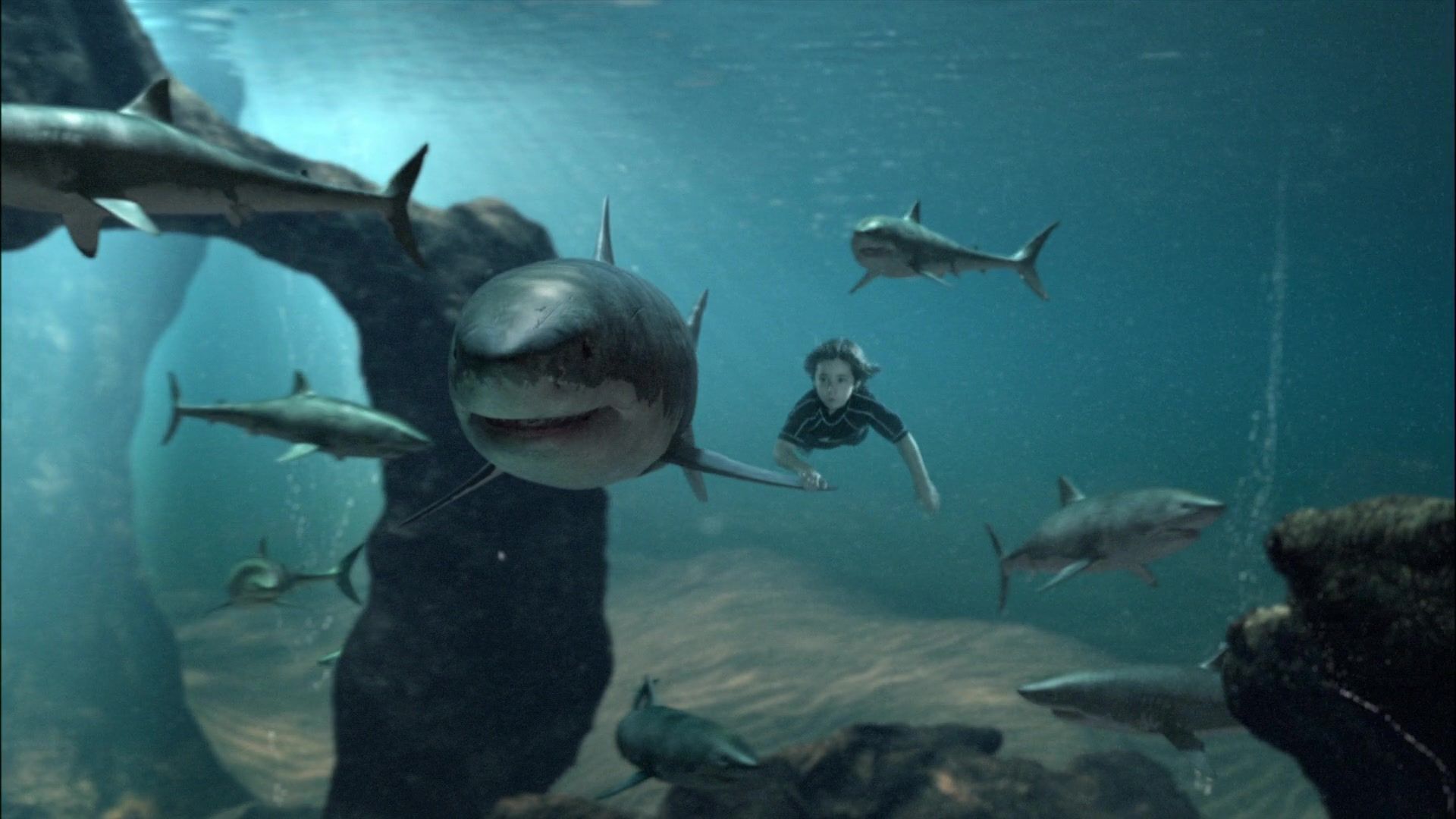
CGI pervaded more than sci-fi and fantasy flicks. Audiences came to expect digital effects or enhancements in any genre. Early 2000s kids' movies were built around heavy-handed CG that aged quickly and poorly— such as The Adventures of Sharkboy and Lavagirl or Sky High. Even serious dramas such as Ang Lee's award-winning Brokeback Mountain and Life of Pi incorporated CG to varying degrees.
When CG-laden features first arrived, audiences ran to the theater to marvel at the digital spectacle. Studios responded by producing more of the same. While it was once novel to see Cinderella speaking to CG animals or superheroes soaring through fictionalized cities, it did not take long for the faux effects to go stale. The ease with which digital effects could be rendered lessened the need for practical ingenuity, and Hollywood sustained criticism for lacking authenticity and originality.
CGI Blockbusters Lack the Authenticity and Originality Audiences Crave

While today's CGI can appear near-seamless, modern viewers grew up with the advancing technology and are largely able to spot its stiff inauthenticity. Speaking on BBC Breakfast in 2012, director Steven Spielberg admitted that “the audience can tell the difference" between CG and practical or real effects. "The second you see a million soldiers charging, you know that no-one hired a million soldiers charging any place in the world, and you know that it's artificial," Spielberg continued (via Digital Spy).
Following a boom of CG-heavy franchise installments, a push for real effects and original stories has emerged. Today's theatrical audiences have consistently demonstrated that they are more interested in originality and ingenuity than big digital effects. Disney has received criticism for leaning too heavily on existing stories and computer imagery, with The Little Mermaid receiving notable backlash for being almost entirely CG. Marvel Studios has also been criticized for a heavy reliance on CGI effects of an inconsistent quality.
Audiences ultimately want a unique theatrical experience, and the expected uniformity of CG can no longer deliver on that want. When directors use practical effects and movie magic to bring their ideas to fruition, the product generally displays a unique originality. While CGI can dazzle, it is less effective at eliciting the visceral response that real and practical effects produce.
Modern Movies are Returning to Practical Sets and Effects

The current cinema era appears to be returning to tried-and-true practical effects. Modern filmmakers are more restrained with CG as the frenzied trend dies down.
"Any new tool, once used promiscuously, becomes a cliché," wrote Bryan Curtis in the 2016 New Yorker article, Hollywood’s Turn Against Digital Effects. "As time goes by, a director rediscovers the tool, and what was once cliché becomes an homage to a distant and more cultured time."
Modern directors are returning to oldschool, pre-digital fimmaking techniques as the CG craze dies down. In Barbie, Greta Gerwig used practical sets to build Barbieland, cultivating what she termed an “authentic artificiality” (via Frederic Magazine). The inventive film grossed $1.4 billion worldwide and helped revitalize the theatrical business. This year, Christopher Nolan has been lauded for adapting Homer’s mythic epic largely through practical effects. The Odyssey has grossed $1.1 billion at the worldwide box office thus far. Though both films are based on existing content, their inventive creativity made for one-of-a-kind cinematic experiences.
Horror, in particular, has made a noticeable shift back to classic body horror and creature features. Stomach-turning scenes from The Substance (2024) were largely achieved with practical SFX makeup and costumes. The gory ending of Weapons (2025) was primarly achieved with a practical effects dummy. Primate, Johannes Robert's new B-movie horror about a killer monkey, used an actor in SFX makeup to bring the creature to life.
Even recent IP blockbusters have started to dial back the CG. Star Wars and Jurassic Park reboots have revived some key practical sets and effects from the original movies. However, modern audiences appear to favor originality over reproduction, even when practical effects are employed.
Smaller-Scale Movies with Less Digital FX Are Rivaling CGI-Heavy Blockbusters

Recently, unique and small-scale movies are performing particularly well at the box office. Hollywood has bet big on CGI-laden IP blockbusters. However, low-budget creative endeavors are proving highly profitable and holding their own against blockbusters. Following the digital boom, modern cinema is returning to the 1970s and 80s era of experimental practical filmmaking with minimal CG.
Curry Barker made his hit-horror Obsession for less than $1 million and grossed $488.1 million at the worldwide box office. The film was praised for its originality and its ability to horrify without high-cost digital effects. Meanwhile, CG-heavy IP flicks such as Master of the Universe struggle to recoup their high production costs. The 2026 He-Man reboot made just $113.7 million against a $170 to $200 million budget. Disney’s CGI-centric remake of Moana cost $250 million to make and has earned $282 million worldwide in its first month in theaters.
Of course, Hollywood could take the wrong lesson from the success of Obsession or Backrooms and think that audiences want YouTuber movies as opposed to original storytelling. However, if low-scale, creative productions continue to succeed, Hollywood may catch on, and we may finally escape the era of bad CGI movies - at least for a while.
KioskNews shows a cleaned-up reading view extracted from the publisher’s page — the original always lives on their site, not ours.