10 Sci-Fi Movies That Changed the Genre Forever

William likes watching movies and writing about those movies. Anything else is minutae.
Sign in to your Collider account
The science fiction genre is one that, appropriately, is forever expanding and evolving. Spurred on by advances in visual effects technology, real-world scientific discoveries, and the genre's reverberating influence, science fiction is never stagnant for long. Whenever the genre does become bogged down in a series of derivative movies, a singular film will come along and change it forever.
These totemic films all monumentally shifted sci-fi cinema, whether through one major moment of pop culture phenomena or incremental influence that builds over time. From cult classics to massive blockbusters to Oscar-winning masterpieces, the impact these sci-fi movies had is obvious and immeasurable. It's obvious in the films that immediately follow in their wake, trying to emulate their visuals or plots, and immeasurable in the ways that their influences have echoed through generations of filmmakers. These ten sci-fi films truly changed the genre forever.
'A Trip to the Moon' (1902)

A seminal sci-fi movie, Georges Méliès' A Trip to the Moon influenced filmmaking at large through its innovative use of editing and visual effects. It remains Méliès' most essential film, though it had to be rescued from obscurity after most copies of the negative were destroyed. Thankfully, the film was restored through the work of several cinema historians, securing its legacy. It's a wildly creative sci-fi film that pushed the boundaries of cinematic storytelling and laid the foundation for the future of the genre.
Méliès also stars in the film as one of a group of astronomers who chart an expedition to the moon, where they encounter cosmic wonders and a dangerous alien civilization. Capturing both the inspiration and danger that would both become staples of almost every space movie, the film took inspiration from the work of Jules Verne and visualized it. It's a classic that is still a wonder to behold and provides quick entertainment.
'Metropolis' (1927)

Where A Trip to the Moon is a whimsical short journey that imagines worlds among the stars, Fritz Lang's Metropolis is a dystopian epic that imagines a dark future for humanity. It's an ambitious and visually astounding film whose set design and special effects directly influenced future sci-fi films that will also feature on this list. It's sci-fi on the grandest scale possible at the time, and its themes of class struggle and social inequality remain just as relevant.
In the titular dystopian city, the wealthy elite live in towering skyscrapers while the working class operates the machinery of the city underground. The struggle between the classes is personified in the privileged son of the city's master, who becomes the mediator between them during a violent rebellion. Metropolis was a prescient film that presaged the widening of the vast gulf between the rich and powerful and the lower class through technology, and its iconic cityscapes and android character are permanent pillars of sci-fi cinema.
'Forbidden Planet' (1956)

An emergence point for the genre, Forbidden Planet combined pulp comic adventure with Shakespearean tragedy to create the template for much of modern sci-fi cinema. Its depiction of interstellar travel and setting on a distant planet in a different solar system would inspire the two major franchises in science fiction, Star Trek and Star Wars. It may look quaint compared to what the genre has evolved into, but the genre wouldn't have evolved to the point it has without Forbidden Planet.
Directed by the journeyman Fred M. Wilcox and loosely inspired by The Tempest, the film follows a group of space travelers whose investigation of the disappearance of another ship leads them to a distant planet occupied by a mad scientist, his daughter, and their robot. Almost every aspect of Forbidden Planet would inspire changes in the genre, down to its individual costume and prop designs. It would become the visual foundation for the following decade of sci-fi film and television, before finally being usurped by the next genre-changing sci-fi classic.
'2001: A Space Odyssey' (1968)
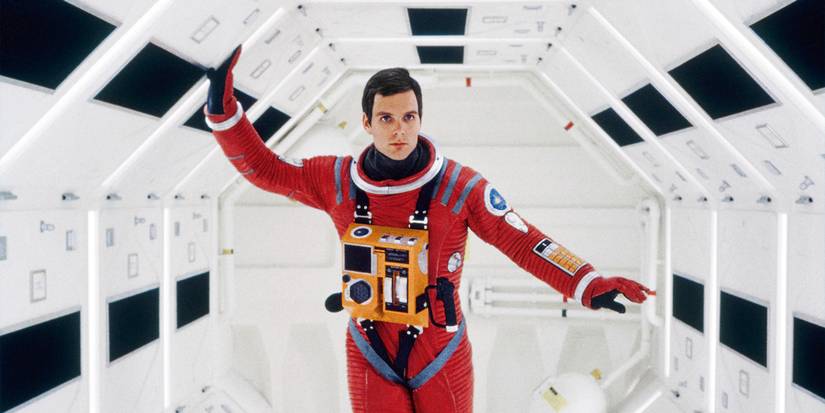
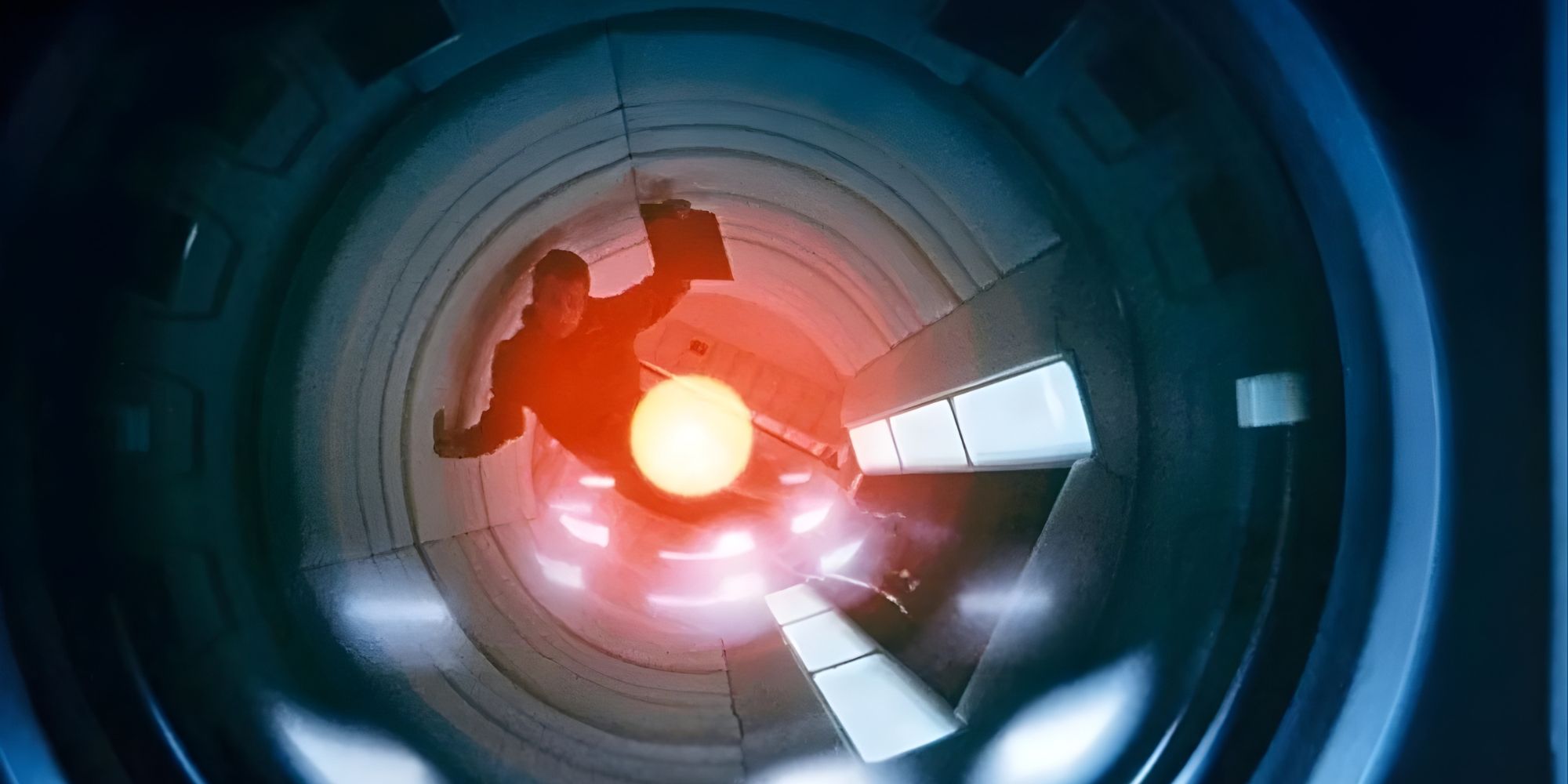
If Forbidden Planet represents the pulpiest and softest side of sci-fi, Stanley Kubrick's 2001: A Space Odyssey represents its hard and realistic opposite. The legendary filmmaker sought to tell a sci-fi story grounded in a more scientifically accurate representation of space travel, and he enlisted a team of consultants and special effects wizards to accomplish it. 2001: A Space Odyssey is the most essential hard sci-fi film ever made, and it had a profound effect on every major sci-fi filmmaker who would come to prominence in the decades that followed.
Co-written by Arthur C. Clarke, the film examines humanity's evolution and relationship with technology, personified through its interactions with an alien monolith and the confrontation with artificial intelligence. HAL 9000 is one of the most definitive depictions of a machine antagonist, a fulcrum point between the Maschinenmensch in Metropolis and the T-800 in The Terminator. Every aspect of 2001 is as iconic as its villain, from its production design to its surreal climax. It's inspired as much debate and multiple interpretations as any of Kubrick's films, and is by far his most influential.
'Star Wars' (1977)
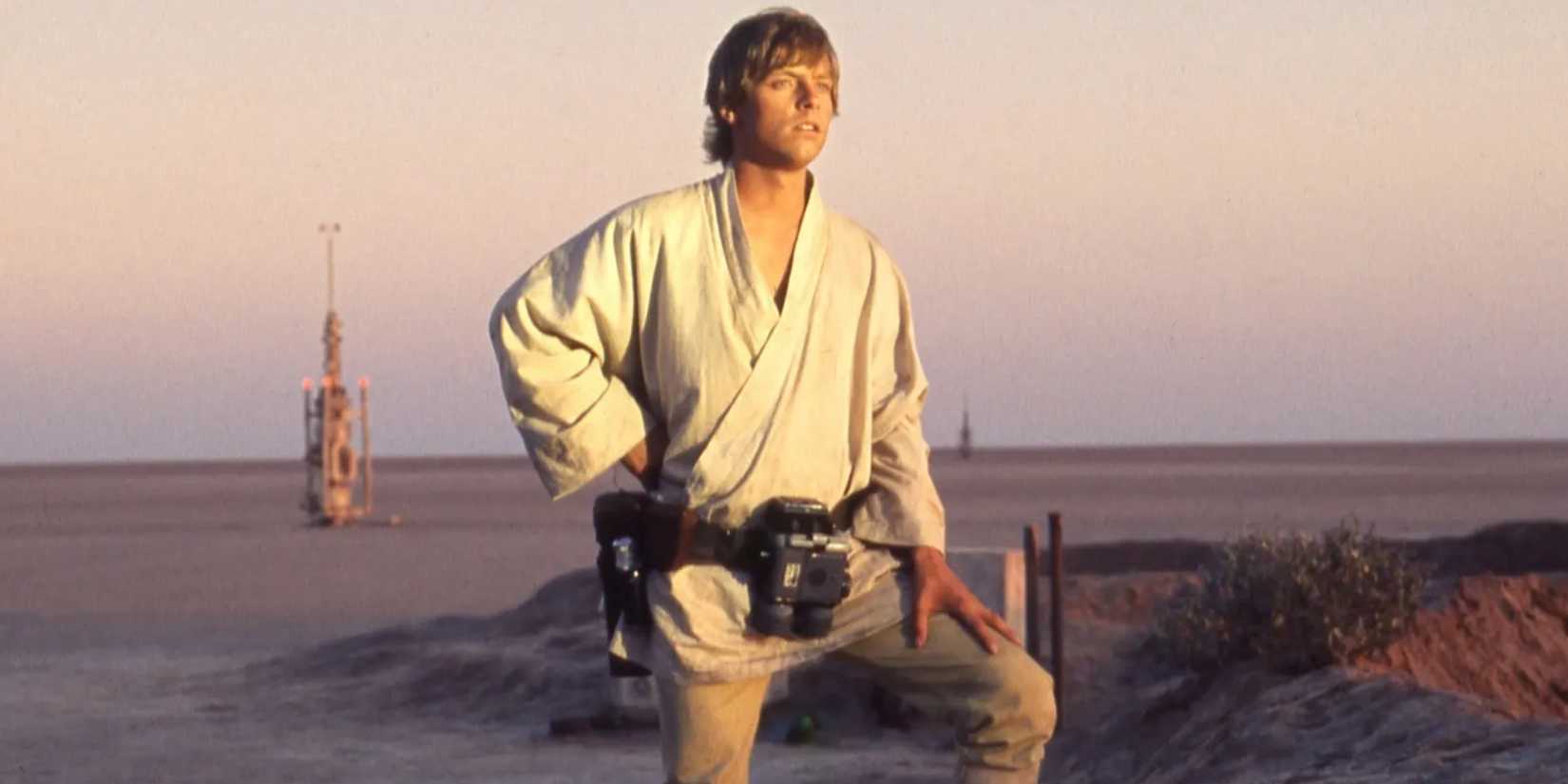
As with any genre, sci-fi has been subject to big swings of the pendulum of popularity. Less than a decade after swinging towards sci-fi realism in 2001, it would cycle all the way back to fantasy with George Lucas' original blockbuster. Inspired by classic serials like Flash Gordon, Lucas developed an entire fictional galaxy to set his original space opera within, the design of which would be set apart by having a lived-in quality. It would fundamentally change the way visual effects would be employed in films.
As the humble beginning of what would grow into a massive saga and franchise, Lucas smartly grounds his fantasy world in very recognizable storytelling tropes and archetypes. He uses a classic hero's journey structure to tell the story of Luke Skywalker (Mark Hamill) and his transformation from a small planet farmboy to a rebel war hero. Much of that classic structure, and the specific character types, would be mimicked in the many films that tried to capitalize on the monumental success of Star Wars, but none could ever come close to matching its effect on science fiction or the entire film industry.
'Blade Runner' (1982)
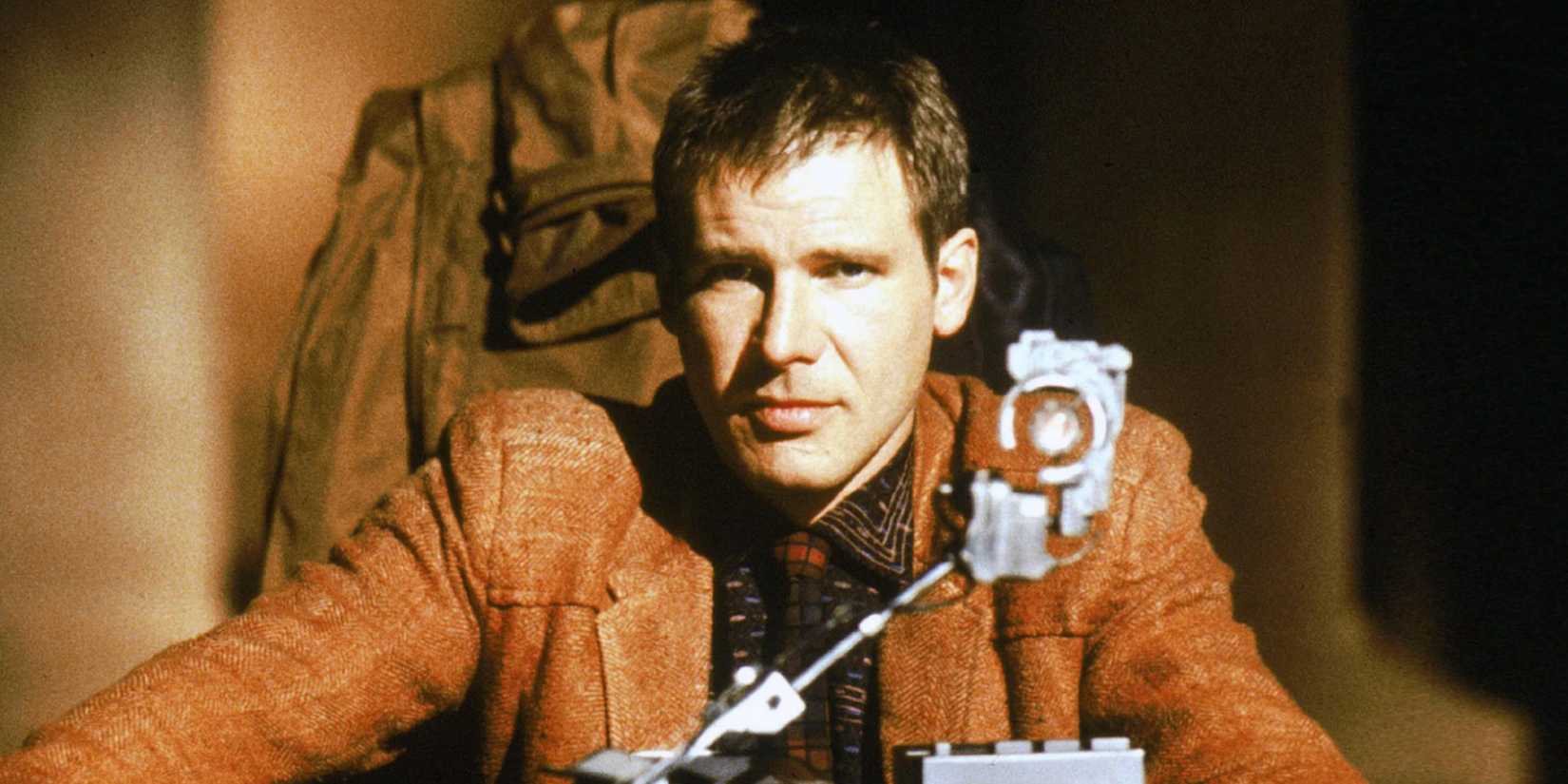
Ridley Scott's first genre-defining sci-fi film, Alien, was put into production based on the success of Star Wars. It would have a major impact on both sci-fi and horror, but its influence would be overshadowed by that of Scott's follow-up film, Blade Runner. While it wouldn't have the same success at the box office as Alien, it would become a cult classic and essential sci-fi film through its visuals, which would inspire every dystopian vision of the future that would come in one way or another. In terms of pure atmosphere, few sci-fi films can rival Blade Runner.
Based on the novel Do Androids Dream of Electric Sheep? by sci-fi master Philip K. Dick, the film envisions a future Los Angeles that exists under a persistent torrential downpour, where the streets are lit by neon and rogue android replicants roam the streets. It's the nexus point of cyberpunk and tech noir aesthetics, pulled almost directly from the pages of sci-fi comics like Métal Hurlant, and completely changed the look of sci-fi in cinema, animation, and video games forever.
Collider Exclusive · Sci-Fi Survival Quiz Which Sci-Fi World Would You Survive? The Matrix · Mad Max · Blade Runner · Dune · Star Wars
Five universes. Five completely different ways the future went wrong — or sideways, or up in flames. Only one of them is the world your instincts were built for. Eight questions will figure out which dystopia, galaxy, or desert wasteland you'd actually make it out of alive.
💊The Matrix
🔥Mad Max
🌧️Blade Runner
🏜️Dune
🚀Star Wars
01
You sense something is deeply wrong with the world around you. What do you do? The first instinct is often the truest one.
02
In a world of scarcity, what resource do you guard most fiercely? What we protect reveals what we believe survival actually requires.
03
What kind of threat keeps you up at night? Fear is useful data — if you're honest about what you're actually afraid of.
04
How do you deal with authority you don't trust? Every dystopia has a power structure. Your approach to it determines everything.
05
Which environment could you actually endure long-term? Survival isn't just tactical — it's physical, psychological, and very much about where you are.
06
Who do you want in your corner when things fall apart? The company you keep is the clearest signal of who you actually are.
07
Where do you draw the line — if you draw one at all? Every survivor eventually faces a moment that tests what they're actually made of.
08
What would actually make survival worth it? Staying alive is one thing. Having a reason to is another.
Your Fate Has Been Calculated You'd Survive In…
Your answers point to the world your instincts were built for. This is the universe your temperament, your survival instincts, and your particular brand of stubbornness were made for.
The Matrix
You took the red pill a long time ago — probably before anyone offered it to you. You're a systems thinker who can't help but notice the seams in things.
- You're drawn to understanding how the system works before figuring out how to break it.
- You'd find the Resistance, or it would find you — your instinct for spotting constructed realities is the machines' worst nightmare.
- You function best when you have access to information and the freedom to act on it.
- The Matrix built an airtight prison. You'd be the one probing the walls for the door.
Mad Max
The wasteland doesn't reward the clever or the well-connected — it rewards those who are hard to kill and harder to break. That's you.
- You don't need comfort, community, or a cause larger than the next horizon.
- You need a vehicle, a clear threat, and enough fuel to outrun it — and you're good at all three.
- You are unsentimental enough to survive that world, and decent enough — just barely — to be something more than another raider.
- In the wasteland, that distinction is everything.
Blade Runner
You'd survive here because you know how to exist in moral grey areas without losing yourself completely.
- You read people accurately, keep your circle small, and ask the questions others prefer not to answer.
- In a city where humanity is a legal designation rather than a feeling, you hold onto something that keeps you functional.
- You're not a hero. But you're not lost, either.
- In Blade Runner's world, that distinction is everything.
Dune
Arrakis is the most hostile environment in the known universe — and you are precisely the kind of person it rewards.
- Patience, discipline, and political awareness are your core strengths — and on Arrakis, they're survival tools.
- You understand that the long game matters more than any single victory.
- Others come to Dune and are consumed by it. You'd learn its logic and earn its respect.
- In time, you wouldn't just survive Arrakis — you'd begin to reshape it.
Star Wars
The galaxy far, far away is vast, loud, and in a constant state of violent political upheaval — and you wouldn't have it any other way.
- You find meaning in being part of something larger than yourself — a cause, a crew, a rebellion.
- You'd gravitate toward the Rebellion, or the fringes, or whatever pocket of the galaxy still believes the Empire's grip can be broken.
- You fight — not because you have to, but because standing aside isn't something you're capable of.
- In Star Wars, that willingness is what makes all the difference.

Released the same year as Blade Runner, the effects of Steven Spielberg's E.T. the Extra-Terrestrial were far more immediate. Offering a more heartfelt relationship between humans and aliens, the film codified what the Amblin Entertainment brand would become known for in the '80s. In addition to the films produced under it, the tone of that brand would also be appropriated by other directors and would later inform nostalgic works like Stranger Things. That tone is best described as Spielbergian, since the filmmaker is the master and commander of it, and E.T. the Extra-Terrestrial is the greatest example of it.
The kernel of the idea that became E.T. began as a sci-fi horror film Spielberg was developing, which eventually evolved into separate projects, with the horror elements absorbed into Poltergeist. What was left was the story of a boy and an alien that doesn't so much jerk tears as it causes the ducts to overflow. Inspiring, heartwarming, whatever superlative that's applied to it is authentic. It's a genuine sci-fi masterpiece that completely changed what a sci-fi film could be.
'Akira' (1988)
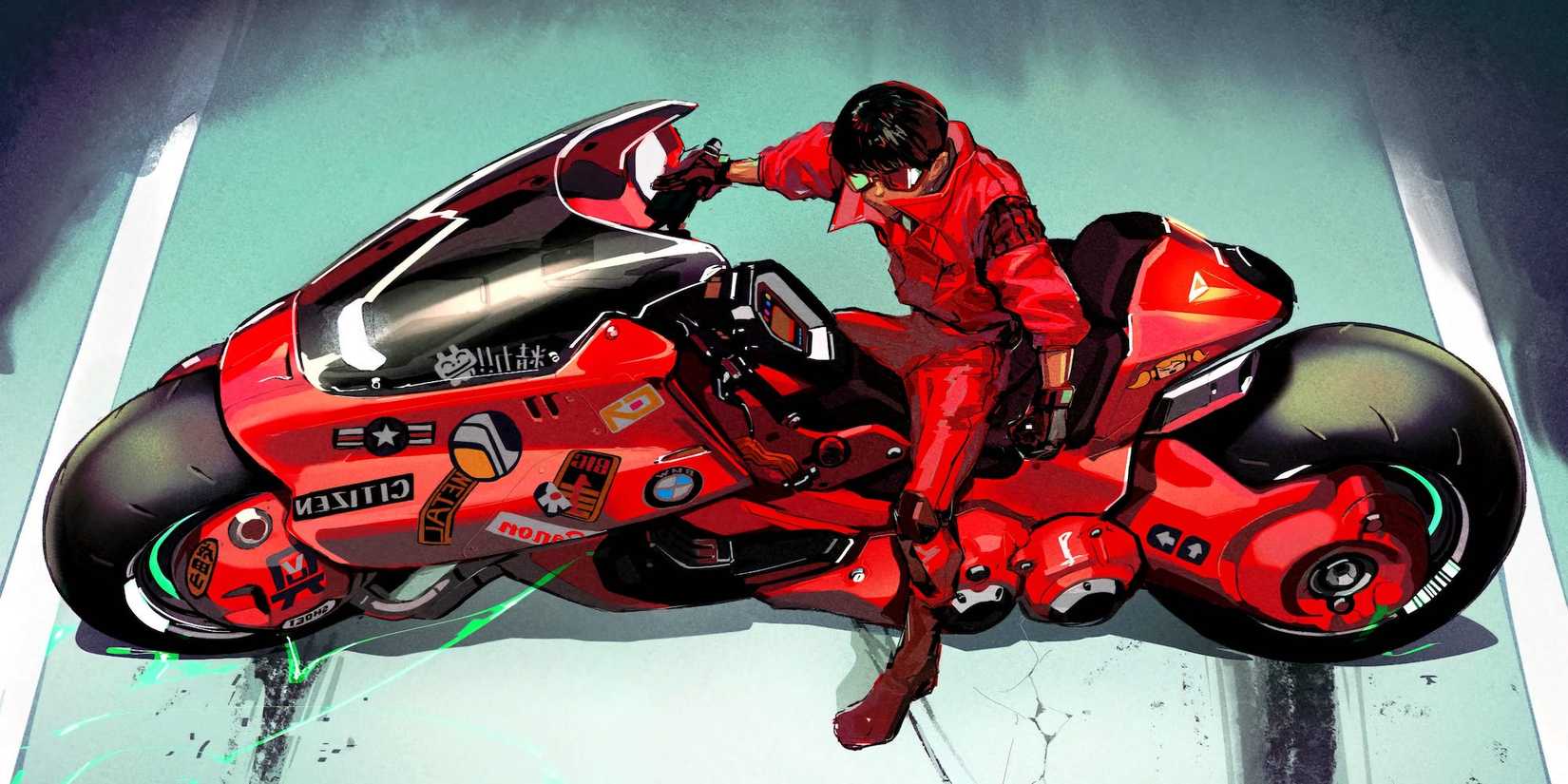
Katsuhiro Otomo's animated adaptation of his own manga Akira was a watershed film. As an anime, it brought the medium to prominence with Western audiences; as an action movie, it inspired several major Hollywood blockbusters; and as a sci-fi film, it precipitated a legion of Japanese animated movies and series, including Ghost in the Shell and Cowboy Bebop. It's a kinetic cyberpunk action classic that ranks highly no matter what genre is applied to it.
Set in the totalitarian city of Neo-Tokyo, the plot concerns two friends in a motorcycle gang whose bond is put to the ultimate test when one of them is taken captive by the government after they discover he has latent psychic abilities. The fluid animation of the film gives its action a non-stop energy that's enhanced by its dynamic lighting and effects. The action has been paid homage to across many genres, but Akira belongs to science fiction.
'Terminator 2: Judgment Day' (1991)
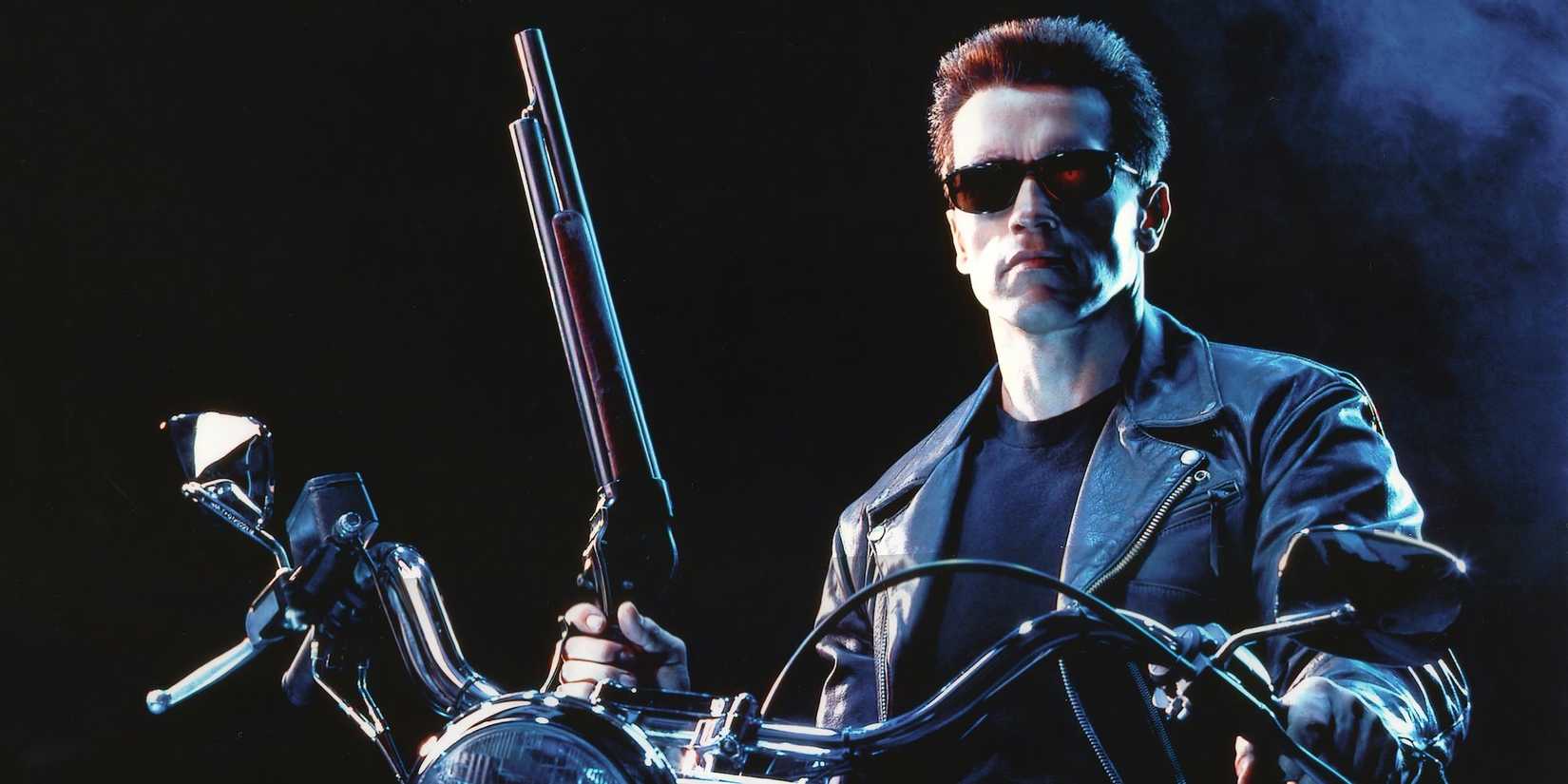
Films in the sci-fi genre are often the ones pushing the boundaries of technology and making major breakthroughs. No filmmaker's work is more indicative of that than James Cameron, whose biggest films have always featured groundbreaking visual effects, from The Abyss to Avatar. His greatest achievement, and most game-changing film, is his sci-fi sequel Terminator 2: Judgment Day, which amplified his original concept to blockbuster status with explosive action and landmark CGI.
While the first film was a grungy, low-budget sci-fi action film with undertones of exploitation thrillers and slasher movies, the sequel gave Cameron the ability to attempt his greatest ambitions with the premise. Retooling Arnold Schwarzenegger's T-800 into a hero, Cameron also brought back his original concept for a liquid metal villain that he hadn't been able to accomplish in the first film. With seven years of visual effects advancements and a budget more than ten times larger, he and the team at ILM created an iconic villain who changed everything for sci-fi.
'The Matrix' (1999)
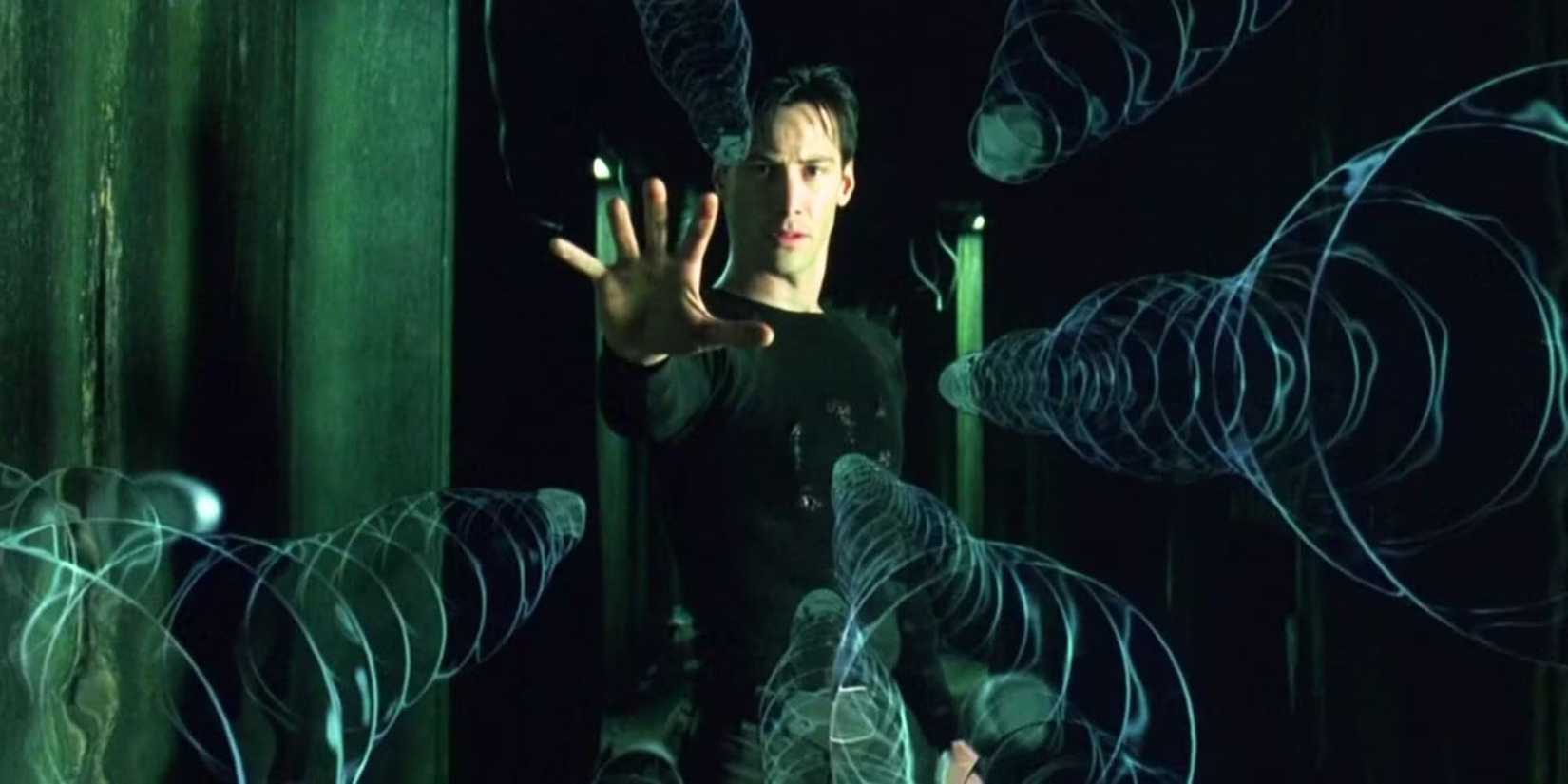
After a decade of digital effects advancements and blockbuster sci-fi films, audiences might have naively assumed that the genre didn't have the capacity to surprise and astound anymore. Then along came The Matrix. Inspired by everything from Metropolis to Blade Runner to Akira, this sci-fi martial arts action movie from the Wachowskis became a pop culture phenomenon that changed sci-fi going into the 21st century.
Starring Keanu Reeves as a hacker who discovers the entire world around him is a simulation created by the machines that keep the majority of humanity subjugated as an energy resource in a destroyed future, the film is heavy with philosophical ideas and sci-fi concepts. Combined with anime-inspired action, the '90s cool aesthetic, and its reality-warping bullet-time visual effects, The Matrix energized sci-fi fans and changed the genre forever.
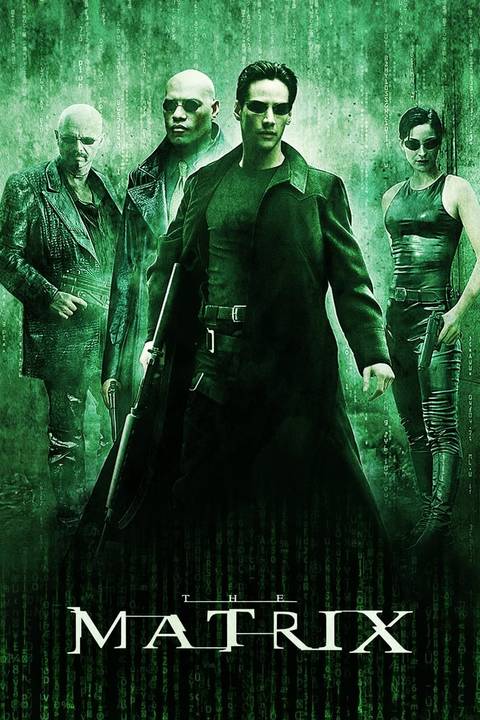
The Matrix
8 10
- Release Date
- March 31, 1999
- Cast
- Keanu Reeves, Laurence Fishburne, Carrie-Anne Moss, Hugo Weaving, Gloria Foster, Joe Pantoliano, Marcus Chong, Julian Arahanga, Matt Doran, Belinda McClory, Anthony Ray Parker, Paul Goddard, Robert Taylor, David Aston, Marc Aden Gray, Ada Nicodemou, Deni Gordon, Rowan Witt, Eleanor Witt, Tamara Brown, Janaya Pender, Adryn White, Natalie Tjen, Bill Young, David O'Connor
- Runtime
- 136 minutes
- Director
- Lana Wachowski, Lilly Wachowski
- Writers
- Lilly Wachowski, Lana Wachowski
KioskNews shows a cleaned-up reading view extracted from the publisher’s page — the original always lives on their site, not ours.