Top universities should be able to charge more, says head of Russell Group
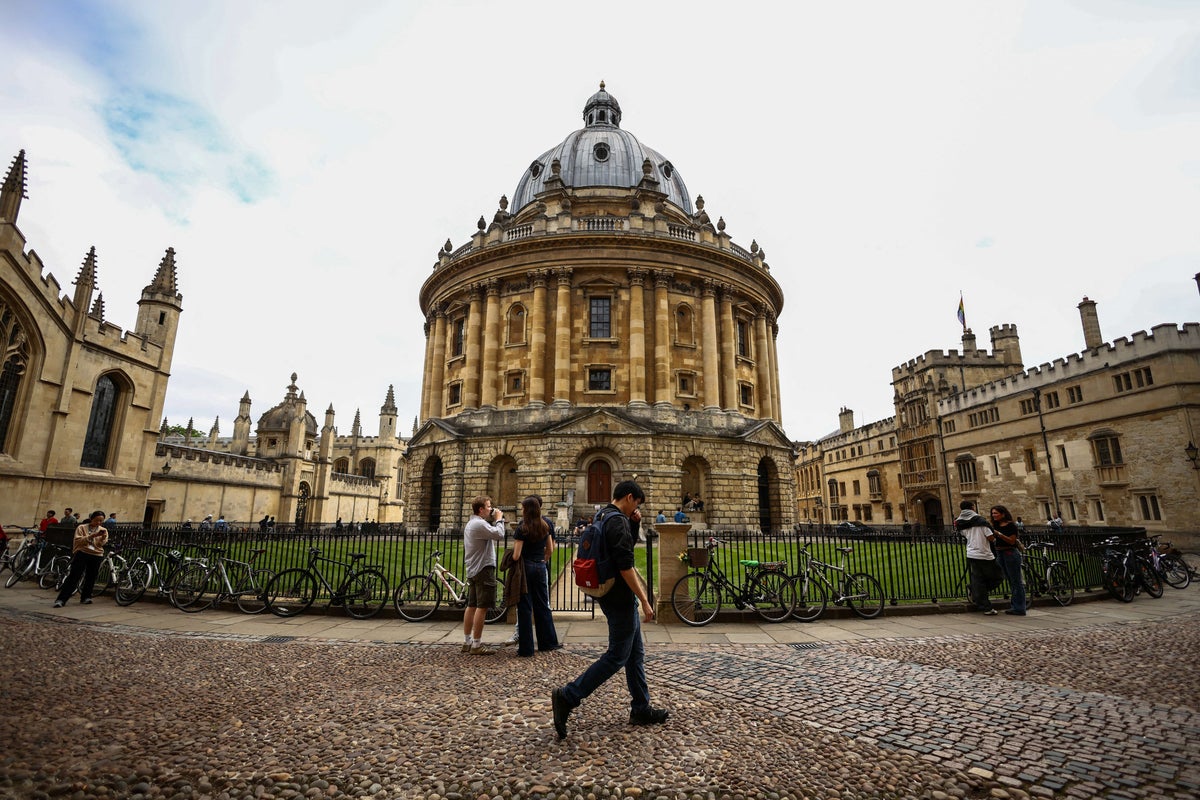
Universities should be allowed to vary their tuition fees based on their reputation and individual courses, the head of the Russell Group has said, as institutions face severe financial shortfalls.
Libby Hackett, chief executive of the association representing 24 top research universities, told The Times that the government must consider differential pricing as part of a comprehensive review of higher education funding.
The call comes as a government-commissioned report by KPMG revealed that UK universities currently lose an average of £3,000 on every domestic undergraduate they educate.
Domestic fees remained frozen at £9,250 from 2017 before rising slightly to £9,790 for the 2026-27 academic year – a rate sector leaders insist fails to cover the real cost of teaching, particularly for resource-intensive science, engineering, and medicine degrees.
Under the current framework, a single flat cap applies across all degree subjects and all higher education providers, regardless of the differing overheads involved in running laboratory courses compared to humanities lectures.
While Hackett acknowledged that universities face a growing public image problem, she noted that public frustration over "unfair" student loan terms is often directed at higher education institutions rather than government policy.
The KPMG study, which analysed financial data across 29 institutions, highlighted a rapid rise in operational expenses over recent years.
Non-pay costs across universities surged by 46 per cent over a seven-year period, accompanied by a 40 per cent increase in campus maintenance and a 29 per cent rise in central administrative expenses.
While universities managed to keep staff pay increases below inflation over the same period, direct student-facing costs still account for nearly two-thirds of total operational expenditure.
Vice-chancellors argue that years of high inflation have steadily eroded the real-world purchasing power of the domestic tuition fee, forcing institutions to make tough choices regarding staff-to-student ratios and teaching support.
Historically, institutions relied on uncapped international student fees to cover domestic tuition deficits.
Overseas students, who pay significantly higher tuition rates, effectively cross-subsidised the cost of teaching British undergraduates and helped maintain high-spec campus facilities.
However, recent shifts in immigration policy – including restrictions on dependent visas – and volatile international recruitment markets have caused overseas application numbers to slump.
Higher education leaders warn that relying on international fees to balance internal balance sheets is no longer sustainable or resilient.
Allowing top-tier institutions or specific specialist degrees to charge higher fees could mark the biggest structural shift in British higher education finance since the introduction of £9,000 fees in 2012.
Critics of differential pricing warn that abandoning the monolithic funding structure risks creating a two-tier system, potentially locking students from disadvantaged backgrounds out of top-ranked institutions or high-cost career paths.
However, sector advocates contend that without radical reform or direct government subsidies, many universities face severe deficit budgets, course cuts, or potential consolidation.
The findings intensify pressure on ministers to overhaul the student finance model as vice-chancellors push for structural solutions to keep UK higher education financially viable.
The Department for Education told The Times: “We have raised the cap on tuition fees in line with inflation, and provide significant additional funding for higher-cost subjects, such as chemistry, engineering and physics, and to address skills shortages, such as in construction and defence.”
KioskNews shows a cleaned-up reading view extracted from the publisher’s page — the original always lives on their site, not ours.