Why Gulf airlines are fighting Adani’s Mumbai airport over 14 routes
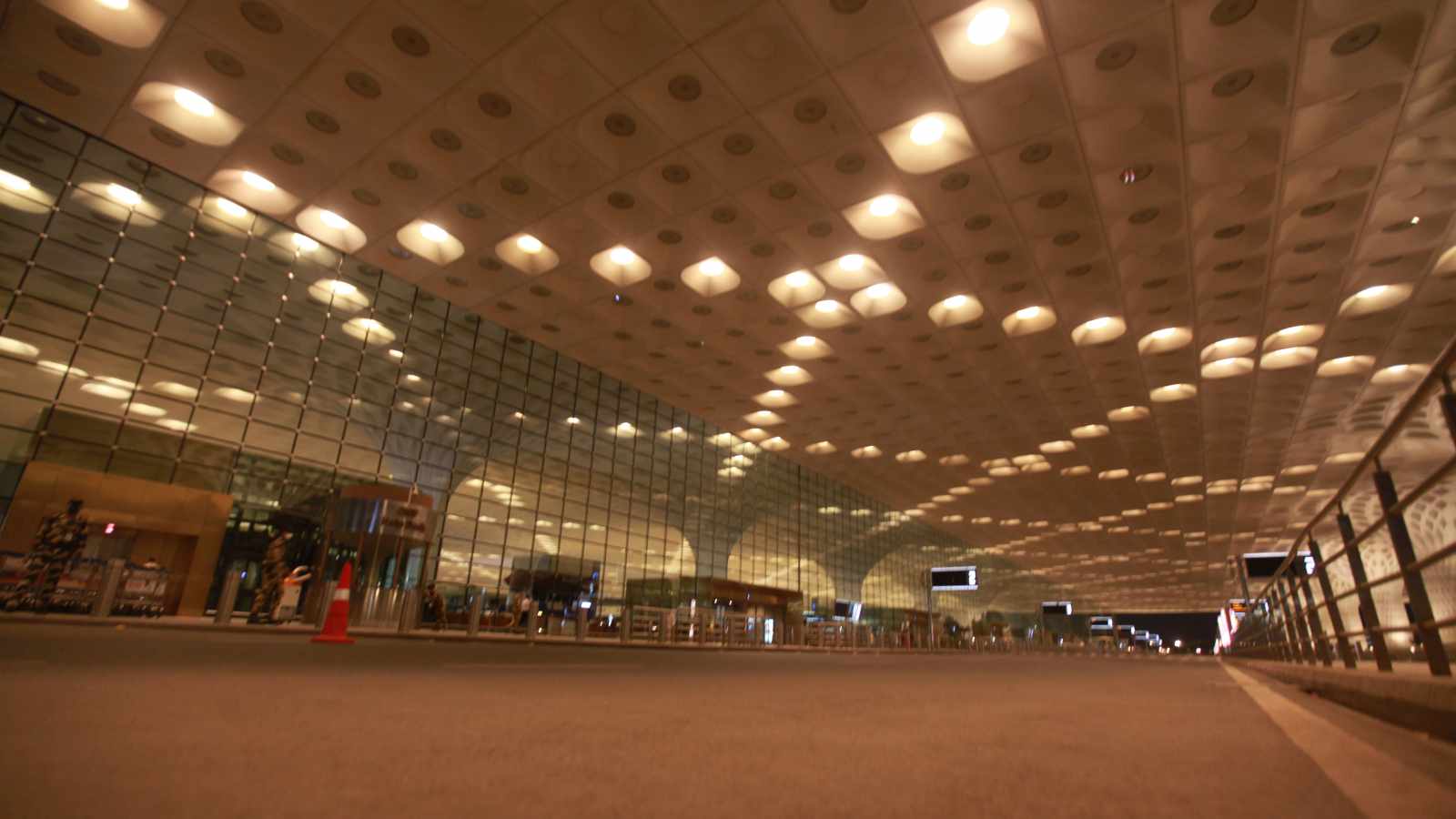
Gulf airlines have approached the Union Civil Aviation Ministry for the third time, seeking its intervention to protect their historical flight slots for 14 international destinations from Mumbai’s Chhatrapati Shivaji Maharaj International Airport.
The airlines, represented by the Airline Operators Committee (AOC), have objected to the decision of Mumbai International Airport Limited (MIAL), the Adani Group-run operator of the airport, to deny them historical slots, the take-off and landing times they have held in earlier seasons, for the Summer 2027 schedule, which begins in late March.
The dispute is linked to the proposed phased transition of international flights from Mumbai to the Navi Mumbai International Airport. The 14 destinations, Dammam, Riyadh, Muscat, Madinah, Jakarta, Jeddah, Dhaka, Doha, Bahrain, Kathmandu, Kuwait, Ras Al Khaimah, Sharjah and Fujairah, had been identified by Indian carriers as part of their proposed transition plans.
The latest representation follows two earlier communications to the Centre on November 2 and 6, and came ahead of the International Air Transport Association’s (IATA) Slot Conference, scheduled from November 17 to 19. In it, the AOC termed MIAL’s decision “unilateral”, alleging that it was taken without considering the Ministry of Civil Aviation’s 2013 Slot Guidelines and IATA’s Worldwide Airport Slot Guidelines.
What the airlines are objecting to
At an October 13 stakeholder meeting, Adani Airport Holdings Limited (AAHL) had assured airlines of minimal operational disruption and said historical slots would be honoured. It maintained that any relocation of operations to Navi Mumbai would be voluntary.
In a subsequent communication, AAHL reiterated that reducing the Mumbai airport’s annual capacity by five million passengers was necessary. It left the decision of whether to relocate flights to Navi Mumbai or temporarily discontinue them to individual airlines.
Following this, Indian carriers, including the Air India group, IndiGo and Akasa Air, agreed to shift a portion of their international operations to Navi Mumbai from December 2026 onwards. Foreign carriers were not convinced, and at a follow-up meeting on October 28 sought further clarity from MIAL on the new airport’s capacity assessment, terminal-wise infrastructure, redevelopment timelines and the proposed traffic-reallocation plan.
Story continues below this ad
Airlines have argued that splitting operations between two airports located nearly 40 km apart would have significant operational and financial implications. “Airlines would have to duplicate ground-handling teams and split crew arrangements and other operational requirements between two airports, significantly soaring operational costs,” an airline source said.
The AOC had earlier also sought the Centre’s intervention against MIAL’s proposed reduction in capacity at Terminal 2 to accommodate passenger traffic displaced by the redevelopment of Terminal 1B, scheduled to begin in April 2027. While the airlines have maintained support for the redevelopment of Terminal 1, they argued that it should not adversely affect the historical slots of airlines, including through unilateral denial, withdrawal or reallocation.
Separately, the 11 affected Gulf carriers have threatened a diplomatic escalation of the issue if their slot allocations for flights to the 14 destinations are not restored.
The airport operator’s case
MIAL has maintained that the redevelopment of Terminal 1 cannot be deferred indefinitely, citing structural concerns identified in audits conducted in 2017 and 2024. The audits flagged corrosion, spalling concrete and cracks in several portions of the terminal. It has proposed reducing the airport’s annual passenger-handling capacity by five million passengers during the redevelopment.
Story continues below this ad
In an email to the ministry dated October 30, MIAL had defended the proposed relocation of flights to the 14 destinations, arguing that operating them from a single airport would avoid splitting services between the two airports. This, it said, would minimise passenger inconvenience and facilitate seamless onward connections.
Last week, Maharashtra Chief Minister Devendra Fadnavis also intervened in the dispute. In a letter to Union Civil Aviation Minister Kinjarapu Rammohan Naidu, he opposed the proposed transfer of existing flight operations and recommended that Terminal 1 be redeveloped in phases rather than through a complete shutdown.
ENDS
KioskNews shows a cleaned-up reading view extracted from the publisher’s page — the original always lives on their site, not ours.