New computer tool could spare tens of thousands of men from needless prostate cancer treatment

Medical researchers say a new computer model could help doctors identify aggressive prostate cancer earlier, sparing men with low-risk cases from unneeded treatments and biopsies.
Experts believe the technology could address "one of the biggest ongoing challenges" of the condition, which is reliably forecasting which tumours will become life-threatening.
For the £1.4 million initiative, known as Reimagine, scientists will evaluate medical information from over 1,000 patients diagnosed with prostate cancer. This will be connected to NHS records to map how the disease develops.
Specialists will look for common traits in samples from patients with slow-growing tumours compared to those suffering from more aggressive forms.
It is hoped this data will enable researchers to construct a digital model capable of predicting how cancer progresses at diagnosis.
According to Prostate Cancer UK, which is funding the study alongside the John Black Charitable Foundation, existing diagnostic tests cannot accurately forecast how a man’s cancer will develop.
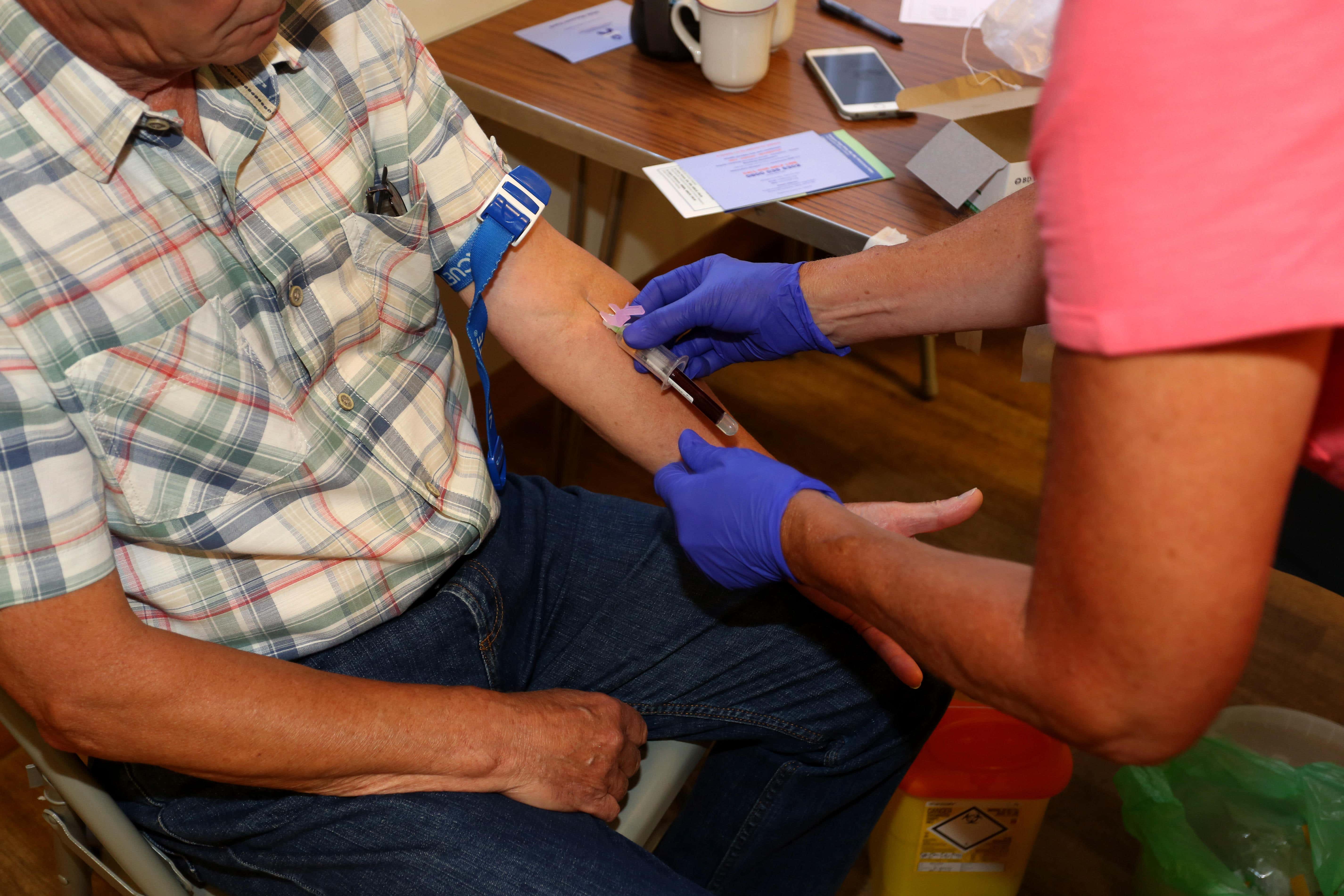
This leaves tens of thousands of men each year facing potential side effects such as incontinence and erection problems from unneeded biopsies or treatment, while aggressive cancer in others is occasionally overlooked.
The initiative is led by Professor Mieke Van Hemelrijck of King’s College London, alongside experts at University College London, Imperial College London and Radboud University.
Prof Van Hemelrijck said: "One of the biggest ongoing challenges in prostate cancer is that we still can’t reliably predict which cancers will become life-threatening and which will remain low risk.
"Without this certainty, doctors don’t have all of the information they need to make the best decisions for men – whether that is avoiding treatment entirely or acting quickly to treat more deadly forms of cancer.
"By linking existing and highly detailed clinical information with NHS data showing what actually happened to men over time, we hope to predict how a man’s cancer is likely to behave years into the future, giving patients and clinicians far greater confidence in those decisions."
Dr Matthew Hobbs, director of research at Prostate Cancer UK, said: "Too many men face massive uncertainty after a prostate cancer diagnosis.
"This next generation diagnostic tool could finally change all that and bring prostate cancer diagnosis into the 21st century.
"Getting a more accurate picture of each man’s cancer means more men getting the right treatment at the right time, fewer men experiencing unnecessary side effects, and ultimately more lives saved.
"It’s exactly the kind of bold, ambitious research we’re proud to be funding with support from the John Black Charitable Foundation.
"We can’t wait see what this could do for the tens of thousands of men diagnosed with prostate cancer each year."
Barry O’Carroll said it was uncertain how aggressive his prostate cancer was when he was diagnosed, and doctors said they would monitor him closely.
The 54-year-old from Cheshire said: "Honestly, I found it really difficult knowing that I was living with cancer, but not whether it would spread – it felt a like a ticking time bomb.
"However, because I was closely monitored under active surveillance, when it began to grow nine months later it was quickly spotted and I had it removed.
"The surgery was a complete success and I’m now cancer-free with a renewed outlook on life.
"I have no regrets about my treatment, but I know it would have been easier if we could have known for sure how aggressive the cancer was, and it’s great to see new research being developed to help make that a reality for men like me in the future."
The trial will start on 10 December.
Prostate Cancer UK is also conducting the Transform trial, which is examining the most effective way to screen for the disease.
KioskNews shows a cleaned-up reading view extracted from the publisher’s page — the original always lives on their site, not ours.