UN board rejects plan to phase out UNAIDS, opts for reforms
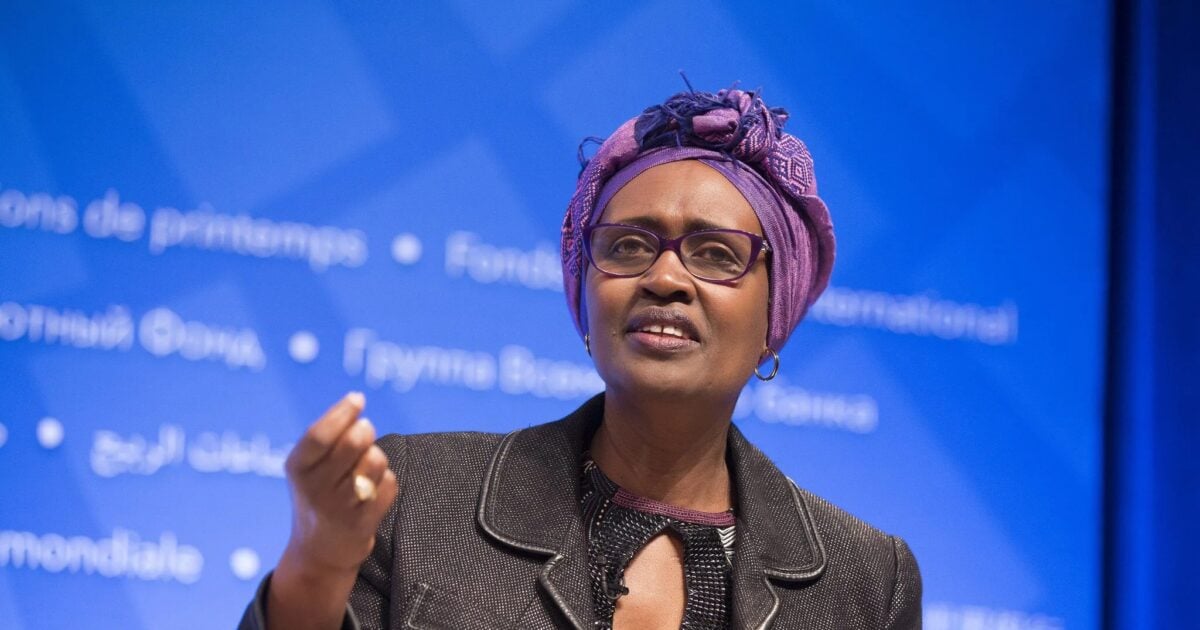
NAIROBI,Kenya Oct 27 – The United Nations has rejected plans to phase out its HIV/AIDS programme, opting instead to restructure and strengthen the agency amid funding cuts and concerns over the continuity of services for people living with and affected by HIV.
The UNAIDS Programme Coordinating Board (PCB) unanimously backed the continued existence of the Joint United Nations Programme on HIV/AIDS at a special session in Geneva on October 26, 2026, endorsing a transition that will streamline operations while preserving the organisation’s mandate and core functions.
The decision comes amid wider reforms within the UN system under the Secretary-General’s UN80 initiative, which seeks to improve efficiency and strengthen the impact of its programmes.
UNAIDS Executive Director Winnie Byanyima welcomed the decision, saying the board had chosen to transform and strengthen the programme rather than bring it to an end.
“You have rejected the sunsetting of UNAIDS and chosen instead to transform and strengthen this unique Joint Programme,” she said, thanking governments, donors, civil society groups and activists who campaigned for its continuation.
“Saving the Joint Programme is only the beginning. Now we must transform it and get that transformation right,” she added.
The board endorsed the strategic direction outlined in the final report of its working group on the programme’s future and asked its chair to convey the decisions to the United Nations Economic and Social Council (ECOSOC).
UN Deputy Secretary-General Amina Mohammed said the reforms were intended to safeguard the global HIV response while strengthening its delivery at the country level.
“The Secretary-General’s intention was to preserve and strengthen the UN’s HIV response in face of disruption and anchor the response more firmly at the country level,” she told the board.
Under the proposed changes, UNAIDS will retain its mandate but operate through a streamlined secretariat responsible for four core functions, while the 11 UN agencies that make up the Joint Programme will assume stronger leadership in their respective technical areas.
The board also emphasised the central role of communities in shaping and implementing HIV programmes, calling for greater co-creation and shared leadership. It further underscored the need to protect human rights and gender equality and maintain inclusive governance under the PCB.
The transition will be implemented in phases, taking into account individual countries’ circumstances and readiness, rather than being imposed through a rushed, uniform process.
To oversee the changes, the board directed Byanyima to establish a Transition Task Team comprising representatives of the UNAIDS secretariat, its co-sponsoring agencies and two community representatives nominated by the board’s non-governmental organisation delegation.
The team will consult implementing countries and other stakeholders before preparing a fully costed implementation plan for submission to the board.
KioskNews shows a cleaned-up reading view extracted from the publisher’s page — the original always lives on their site, not ours.