Saudi Arabia bans travel, visas for Kenya over Ebola fears
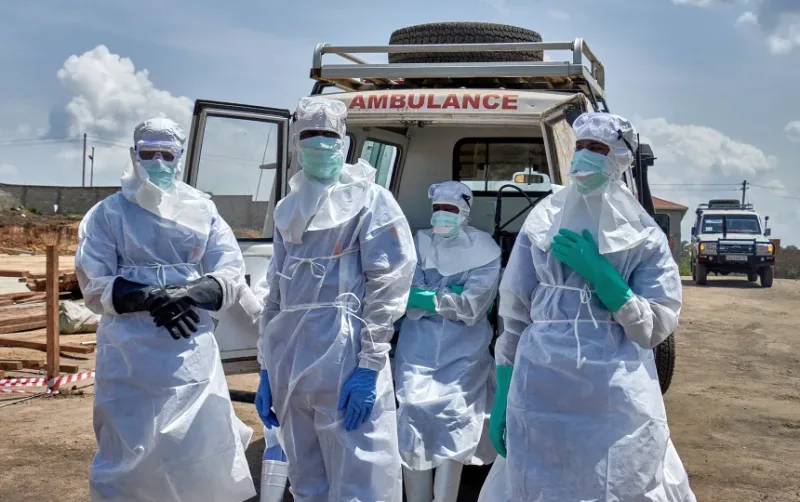

NAIROBI, Kenya Oct 31 – Saudi Arabia has suspended travel by its citizens to Kenya, stopped issuing visas to travellers from the country and imposed an entry ban amid growing concerns over the spread of Ebola.
The restrictions, announced on Friday come as Kenya battles an outbreak of the deadly Bundibugyo virus, which has so far claimed two lives and infected nine people.
“The measures were introduced following an assessment of the Ebola situation by Saudi health authorities,” according to Saudi Gazette.
The restrictions also affect travellers arriving in Saudi Arabia through other countries if they have stayed in Kenya or another Ebola-affected country within the 21 days preceding their arrival.
The Saudi measures also include halting the issuance of all types of visas to people arriving from Kenya.
“The restrictions were part of precautionary measures aimed at protecting citizens, residents and visitors from the risk of Ebola transmission,” Saudi authorities said.
The Kingdom’s Public Health Authority, Weqaya, maintained that the health situation within Saudi Arabia remained stable and was under continuous monitoring.
The authority said it was tracking developments in the region and internationally in coordination with relevant health agencies.
Saudi Arabia has previously introduced similar restrictions against countries facing Ebola outbreaks, including the Democratic Republic of Congo, Uganda and South Sudan.
Kenya has confirmed nine Ebola cases, including two deaths, according to the latest available updates as of October 30.
The outbreak is linked to a single cluster that began with a Kenyan man who travelled from the Democratic Republic of Congo through Uganda before arriving in Nairobi.
Eight other people, including four family members and four healthcare workers, subsequently contracted the virus.
The latest developments suggest some progress in containing the outbreak.
Two of the seven patients who were in isolation had tested negative in their initial tests and were awaiting repeat testing after 72 hours. The remaining five were reported to be stable.
Kenya had also gone three consecutive days without reporting a new confirmed case, with health officials saying there was no evidence of community transmission.
The Ministry of Health has traced 135 contacts linked to the outbreak.
Of these, the first 20 people completed the mandatory 21-day monitoring period and were cleared to return home on October 26.
The remaining 98 contacts are expected to be released in phases beginning November 3, subject to individual health assessments.
Health officials have urged Kenyans not to stigmatise people who have completed quarantine, saying they pose no risk to their communities after meeting the required monitoring conditions.
KioskNews shows a cleaned-up reading view extracted from the publisher’s page — the original always lives on their site, not ours.