The Jerusalem PostTV TIME: Best intense thrillers while awaiting ‘Fauda’וואלהרוסיה דורשת הבהרות מארה"ב וטורקיה על העברת נשק אפשרית לאוקראינהRTP DesportoEuropeus de atletismo. Vitória Oliveira bate recorde na meia maratona em marchaESPN DeportesDiana Flores dedica el Mundial a Julio Ocaña, el coach que considera su mentorInquirer‘Parents responsible for protecting kids online, not just government’RTL BoulevardTurnster Veerman mist nipt brugmedaille bij EK, Visser laatsteMint‘Biggest scam ever in the world’: Nithin Kamath asks startup founders not to brag about AI; social media reactsMundo DeportivoCity 0-2 Barça: Vicky marca el segundoSportstarHockey World Cup: Skipper Harmanpreet hails India’s 3-1 win over Wales in openerRai NewsI servizi russi arrestano una donna: "Ha messo la bomba che ha ucciso un ufficiale a Sebastopoli"MyJoyOnlinePhotos: Police engage religious leaders at National Police HeadquartersBBC News BrasilTerremoto de magnitude 7,7 mata ao menos 47 pessoas na Indonésia
The Daily Newsstand · Free, Always
Saturday, August 15, 2026

Evidence of earliest silkworm farming outside China found, upending Silk Road timeline
Translate

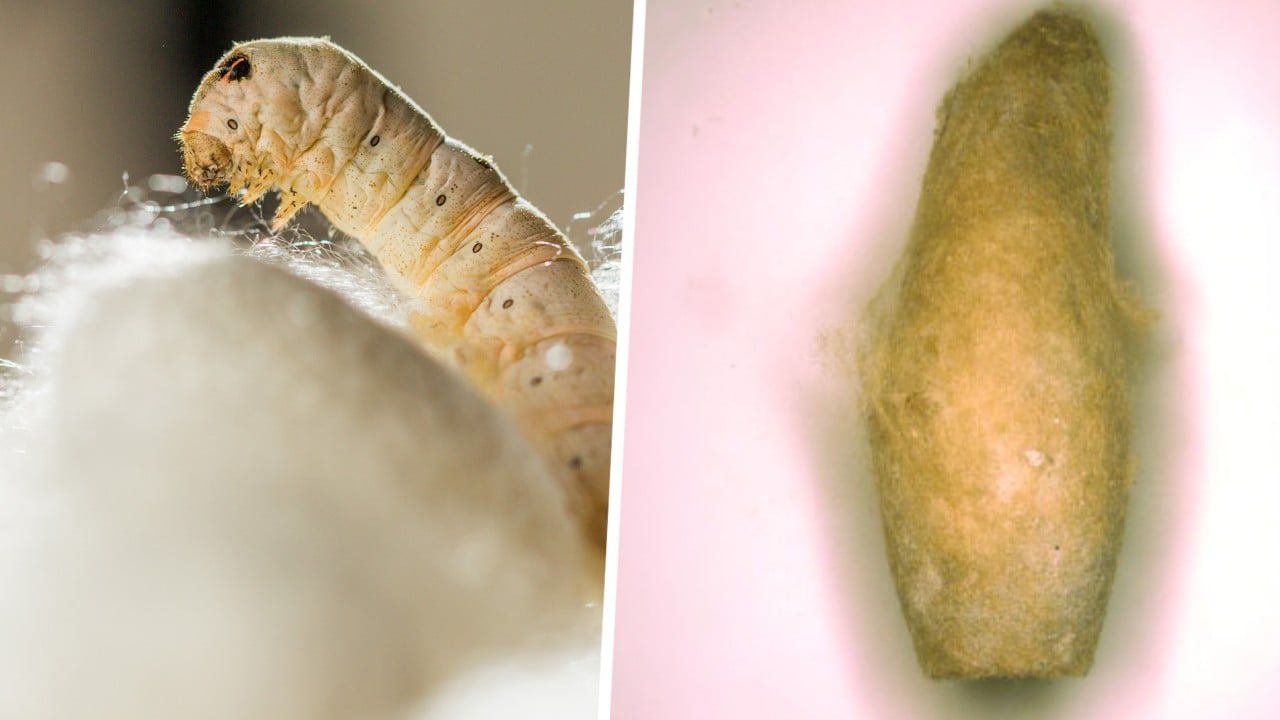
It may not be the most majestic creature on our beautiful planet, but the humble silkworm deserves a place alongside horses, cattle, cats, and dogs due to its profound impact on human civilisation.

The luxurious fabric spun from the silkworm’s natural secretion ignited the creation of a vast global trade network, connecting Asia with the Mediterranean. This network became a catalyst for transformative exchanges of goods, ideas, and technologies across continents, significantly shaping the course of world history.

However, the history of silk predates the Silk Road, with archaeological excavations suggesting its origins lie within the Yangshao culture (5000 BC–3000 BC) during Neolithic China.
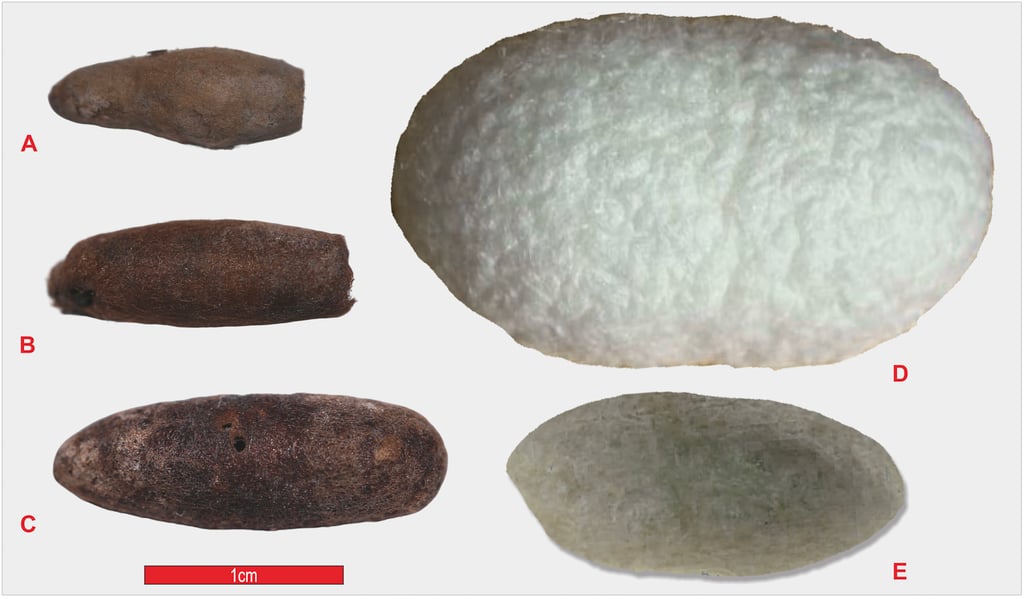
A comparative analysis of ancient silkworm cocoons discovered at the Sapalli Tepe site, a significant Bronze Age archaeological location in southern Uzbekistan. Photo: X. Zhou/IVPP, CAS

A comparative analysis of ancient silkworm cocoons discovered at the Sapalli Tepe site, a significant Bronze Age archaeological location in southern Uzbekistan. Photo: X. Zhou/IVPP, CAS

Now, a new study from Washington University in St. Louis suggests that the silkworm cocoons left China far earlier than previously thought.

The researchers, whose work was published in the peer-reviewed scientific journal Science Advances, discovered three silkworm cocoons along the Surkhan-Darya River, which flows across southeast Uzbekistan between Tajikistan and Afghanistan.

The scientists estimated that these cocoons are about 4,000 years old, indicating they were transferred to Central Asia around 2,000 years before the traditional narrative of the luxurious garb’s spread along the Silk Road.
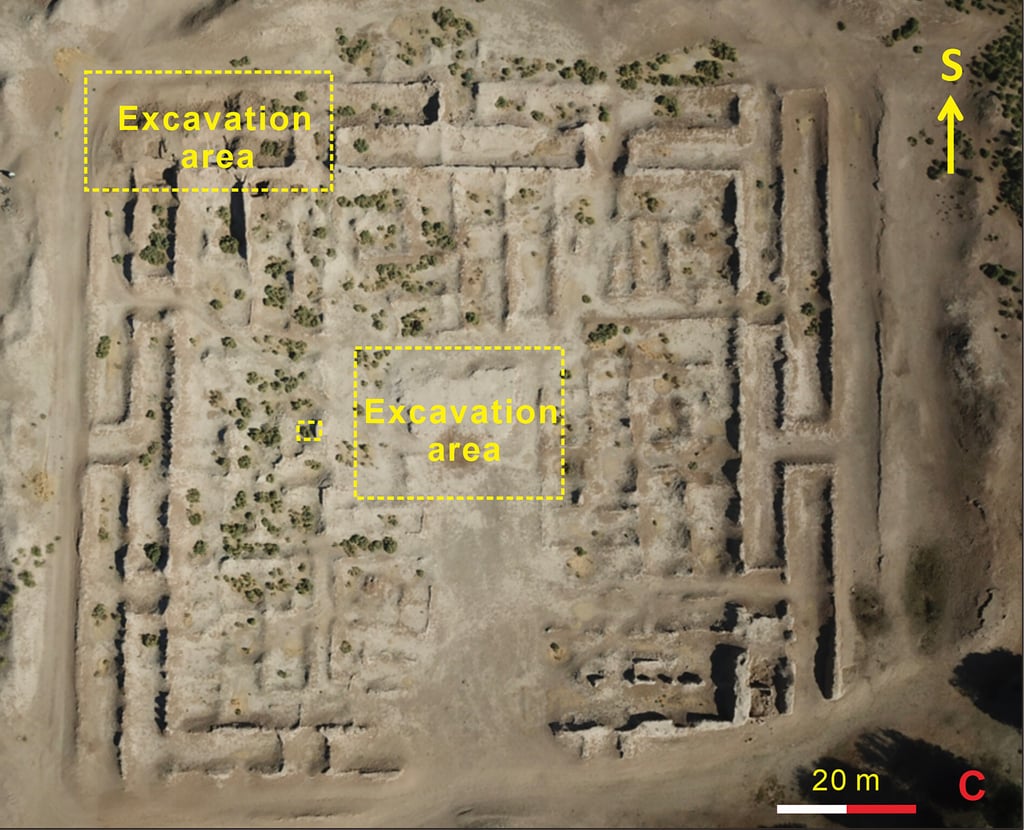
A map indicating the locations of sites associated with pre-Han silk findings in the Old World. Photo: X. Zhou/IVPP, CAS

A map indicating the locations of sites associated with pre-Han silk findings in the Old World. Photo: X. Zhou/IVPP, CAS

Xinyi Liu, a professor of archaeology at Washington University and lead author for the study, stated that the silkworm artefact in question is the oldest known reliable example of a silkworm cocoon.

View the original on South China Morning Post

KioskNews shows a cleaned-up reading view extracted from the publisher’s page — the original always lives on their site, not ours.