NSE IPO: Why shareholders cut stake sales despite strong listing expectations
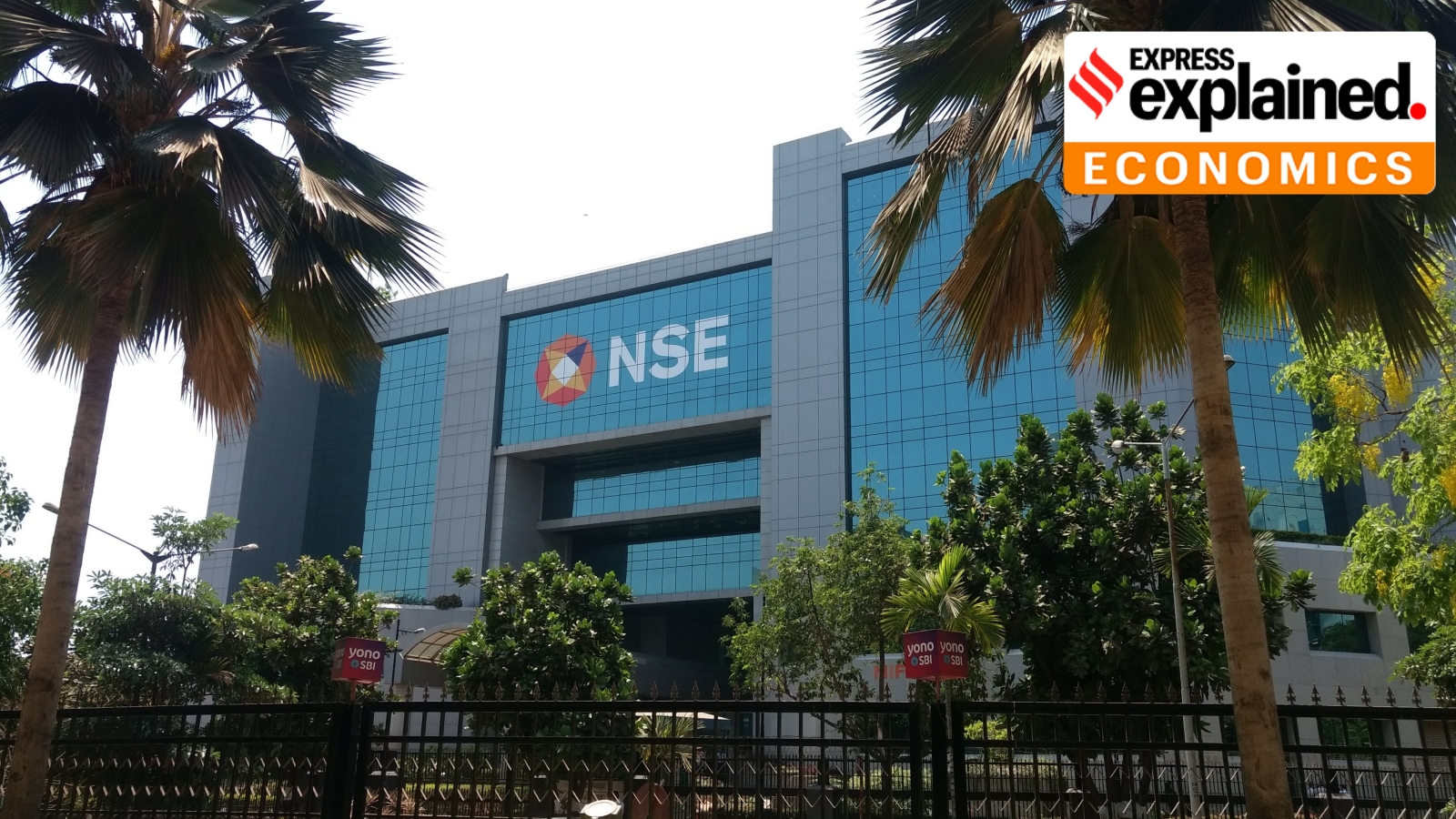
The National Stock Exchange’s (NSE’s) much-awaited IPO is finally materialising as the issue is set to begin on September 17 (Thursday) with the price band fixed at Rs 1,700-1,785 per share.
While there is buzz all around the market for the blockbuster IPO, the shareholders selling in this issue have significantly cut their stake sales. The exchange is now expected to raise around Rs 22,562 crore from the offer-for-sale (OFS), down from the Rs 30,000 crore originally expected.
The OFS route means any money raised will go directly to the selling shareholders, and the exchange will not receive any proceeds. So, with the IPO expected to do well, why have these shareholders cut their stake sales, reducing their potential gains from the listing?
Who cut stake sales, and by how much?
The selling shareholders are now expected to offload around 126 million shares in the OFS, compared to nearly 149 million shares they had initially planned to sell, as noted in the original offer documents from June.
The State Bank of India (SBI) reduced its stake sale from 1% to around 0.7% and is expected to now gain as much as Rs 2,851 crore from the IPO. While the bank reduced the number of shares it was offloading, the updated offer documents released last week also added SBI Capital Markets as a selling shareholder. The SBI subsidiary will offload around 0.35% of its stake in the exchange for around Rs 1,567 crore.
Both these companies had acquired the shares at a weighted average cost of under a rupee and will offload them at 17-18 times the price.
The General Insurance Corporation of India, which had originally acquired the shares at an average cost of around Rs 5, cut its stake sale by 18 basis points and will now earn as much as Rs 1,104 crore from the issue. Bank of Baroda cut its stake sale by 13 basis points and may earn as much as Rs 1,373 crore.
Why did they reduce their stake sales?
Story continues below this ad
Market participants had expected the NSE IPO to be priced at around Rs 2,000-Rs 2,100 per share, valuing the exchange at over Rs 5 lakh crore. However, the exchange announced a price band that was lower than expected, valuing the company at around Rs 4.42 lakh crore.
While this is good for new investors, it meant that the existing shareholders would see less money landing in their kitty than they had expected. “With the price band that we eventually saw, it made sense for the shareholders to hold onto their shares for the future,” an analyst tracking the IPO explained.
“The IPO itself is expected to list positively and give good returns going ahead, since the lower valuations mean there is value left on the table for investors. Holding onto shares acquired at cheaper prices will help existing shareholders maximise their returns going ahead,” the analyst added.
Market leadership could drive NSE returns
BSE shares that listed in 2017 have since gained around 29 times. Thus, SBI, which would have earned around Rs 4,418 crore if it had gone ahead with its original stake sale, has the potential to see its investment rise to around Rs 2.4 trillion from Rs 1.4 if NSE shares rise to Rs 3,000 a share in a few months or years after listing.
Story continues below this ad
Data suggests that the NSE might give returns as lucrative as the rival BSE upon listing, if not more. The exchange holds almost the entire market share in segments such as the cash market (around 93%), equity futures (99.79%), equity options (74.71%), and currency derivatives (99-100%), according to data from Motilal Oswal.
While the recent regulatory crackdown on the derivatives segment, which was the cash cow for both the NSE and BSE, has hurt earnings in recent times, NSE’s market leadership over its rival leaves it in a solid position to capitalise as more investors enter India’s underpenetrated financial markets.
The exchange has also diversified its offerings across commodities, real estate investment trusts (REIT), and infrastructure investment trusts (InvIT), among other products, and holds market leadership across most of these segments.
KioskNews shows a cleaned-up reading view extracted from the publisher’s page — the original always lives on their site, not ours.