Asean’s neutrality set to be tested as Philippines welcomes world leaders
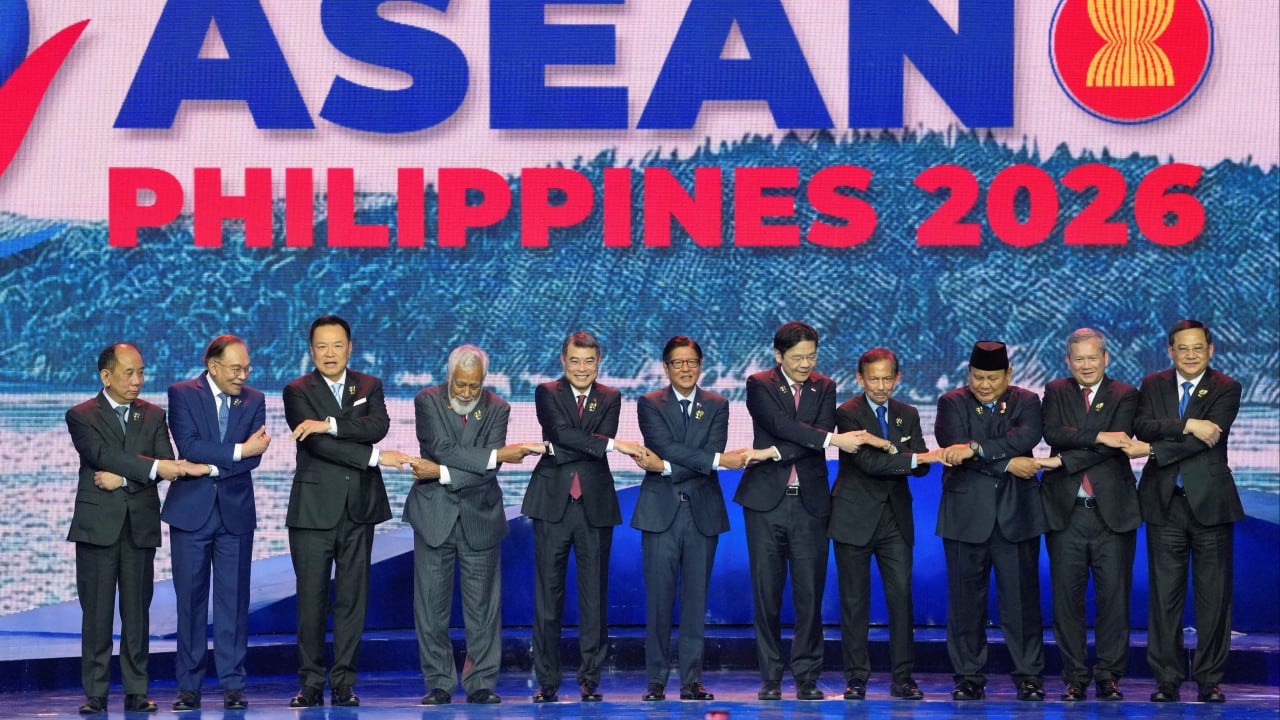
World leaders converged in Manila for the Asean summit on Sunday, bringing attention to the 11-member bloc’s growing clout in a region with a population of 700 million and a US$4.4 trillion economy that is tipped to become the world’s fourth largest by 2030.
But questions remain over whether the Association of Southeast Asian Nations can harness the summit’s outcome to benefit its members or is merely a stage for world powers to pursue their interests.
“Asean’s value lies partly in providing an inclusive platform where major powers can engage one another and the region, even amid growing geopolitical tensions,” said Joanne Lin, a senior fellow at the ISEAS – Yusof Ishak Institute.
“Major powers naturally come with their own strategic and economic interests, and their bilateral engagements may sometimes attract more attention than Asean’s collective priorities,” Lin said. As such, Asean should “articulate clear priorities and pursue concrete cooperation with external partners”.
Trump’s itinerary illustrates Asean’s diplomacy at the multilateral and bilateral levels. The US leader is set to arrive in Manila on Tuesday night, shortly before the summit’s closing ceremony, for the US-Asean meeting. He is also expected to meet Philippine President Ferdinand Marcos Jnr for separate talks.

Collins Chong Yew Keat, a foreign affairs and security analyst at Universiti Malaya, however, warned that Asean’s traditional approach of maintaining an equilibrium between the United States and China was increasingly difficult to sustain.
“For years, the bloc has sought to maximise the economic opportunities offered by China’s rise while relying on the broader American security presence to maintain a favourable regional balance of power.”
Thailand and Singapore exemplify this balancing act. A long-standing US defence treaty ally, Thailand welcomes Chinese investment in its electric vehicles and other sectors. Singapore maintains close defence ties with Washington, including giving American troops access to its military facilities, while China is its largest goods trading partner.
Singapore has stressed that it will not choose between the US and China to preserve its strategic autonomy and strong relations with both powers.
Economy first
Analysts expect Asean to prioritise trade initiatives at the summit, with economic integration, digital transformation and supply chain resilience high on the agenda.
Certain geopolitical issues may take a back seat, with Asean diplomats saying the proposed South China Sea Code of Conduct is unlikely to be concluded by the end of the year.
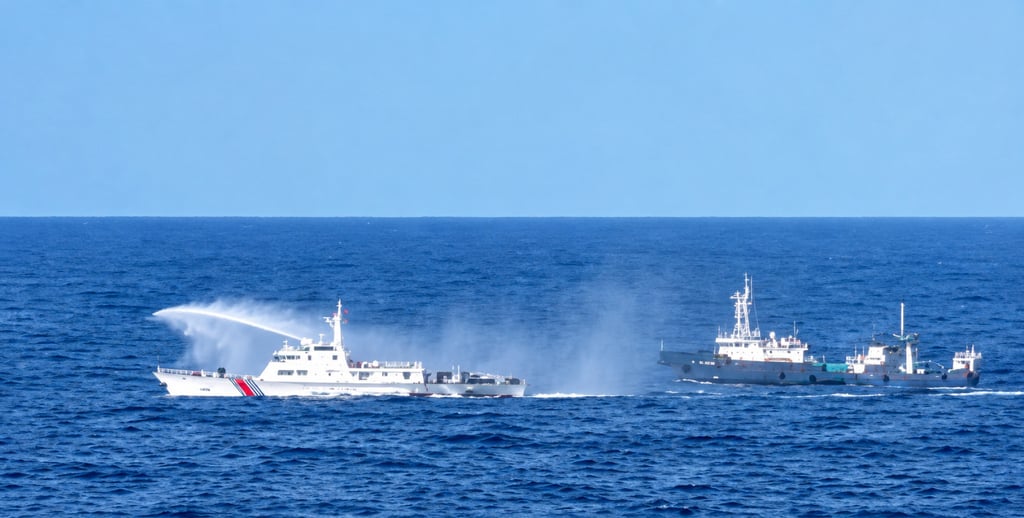
The Philippines and China have been locked in a long-standing row over the contested waters, which has escalated into violent vessel clashes. Several other Asean members – Vietnam, Malaysia and Brunei – also have overlapping claims with China. Within the bloc, there are also territorial disagreements, such as between Malaysia and the Philippines regarding their overlapping maritime claims in the South China Sea and the Malaysian state of Sabah.
Although much of the proposed code has reportedly been agreed on, differences over its geographical scope and mandate are expected to push talks into next year, when Singapore assumes chairmanship of the bloc.
On Myanmar, questions have surfaced over Asean’s commitment to broad reconciliation in the country through its peace plan following separate meetings between leaders from Malaysia, Thailand, Laos, Cambodia and Vietnam and President Min Aung Hlaing, who won the 2025-2026 election that has been widely criticised as a sham.
Vu Lam, an Asean observer, said Asean would likely conduct another review of its Five-Point Consensus on Myanmar given that it had been “in stalemate”.
Of the topics on the summit agenda, the most anticipated target was the Digital Economy Framework Agreement (DEFA), Lam said. On Saturday, member states signed the agreement into law, marking the region’s first legally binding standalone pact on the digital economy.
Energy security could also be discussed amid the ongoing Middle East conflict, Lam said. Asean is expected to take steps towards a region-wide power grid, according to Lam.
In October, Singapore and the World Bank signed a three-year partnership to accelerate cross-border electricity trade under the Asean Power Grid initiative.
Lin said DEFA could significantly advance regional digital integration, with cooperation on artificial intelligence likely to be brought up, while Asean could also discuss supply of critical minerals and the regional haze caused by wildfires in Indonesia.
In December 2025, Asean signed an upgrade to its trade-in-goods agreement to facilitate greater cross-border commerce.
“The biggest priority for Asean at this summit will be to preserve the appearance and functioning of regional unity amid intensifying geopolitical and economic fragmentation,” Chong said.
“I expect economic initiatives to produce the most visible deliverables because economic cooperation allows governments to demonstrate progress without confronting their deepest strategic disagreements.”
Limits to neutrality?
Analysts have long questioned whether Asean’s traditional neutral approach in international diplomacy could be sustained.
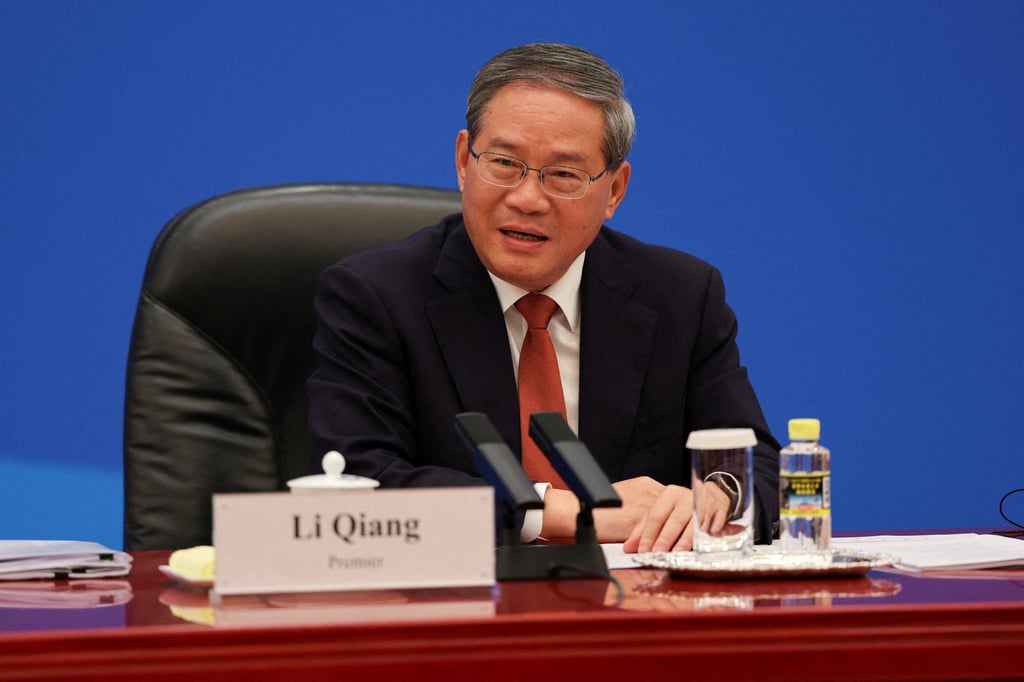
In a CNA interview on November 5, Thailand’s Foreign Minister Sihasak Phuangketkeow warned that Asean neutrality “has its limits”, saying the bloc must make decisions consistent with its interests amid growing strategic competition among major powers.
Sihasak cited the Middle East conflict’s impact on energy and food security as an example of challenges demanding collective action from Asean.
Chong noted that Asean benefited from Chinese trade and investment while the American military provided cover to maintain the bloc’s strategic security balance. But Asean’s neutral approach had become increasingly unsustainable as both powers have begun treating such dependencies and cooperation as “instruments of strategic competition”, he added.
“Neutrality may preserve political flexibility, but it cannot automatically preserve national interests, prevent coercion or guarantee regional security,” Chong said.
“Until Asean changes this political mentality, it risks remaining a paper tiger – considerable diplomatic visibility but insufficient strategic authority to influence the behaviour of the powers operating within its own region.”
Lam argued, however, that Asean’s neutrality had its advantages and it arose because of the huge differences in the political systems, economies and separate bilateral relations between its members and major powers. As such, “collective neutrality is the common denominator” that all its 11 members could accept, he added.
“The US, China and others are all willing to come to the same table because Asean, as a grouping, does not take sides, whatever the leanings of its members.”
KioskNews shows a cleaned-up reading view extracted from the publisher’s page — the original always lives on their site, not ours.