World’s largest wildlife crossing nears completion in California
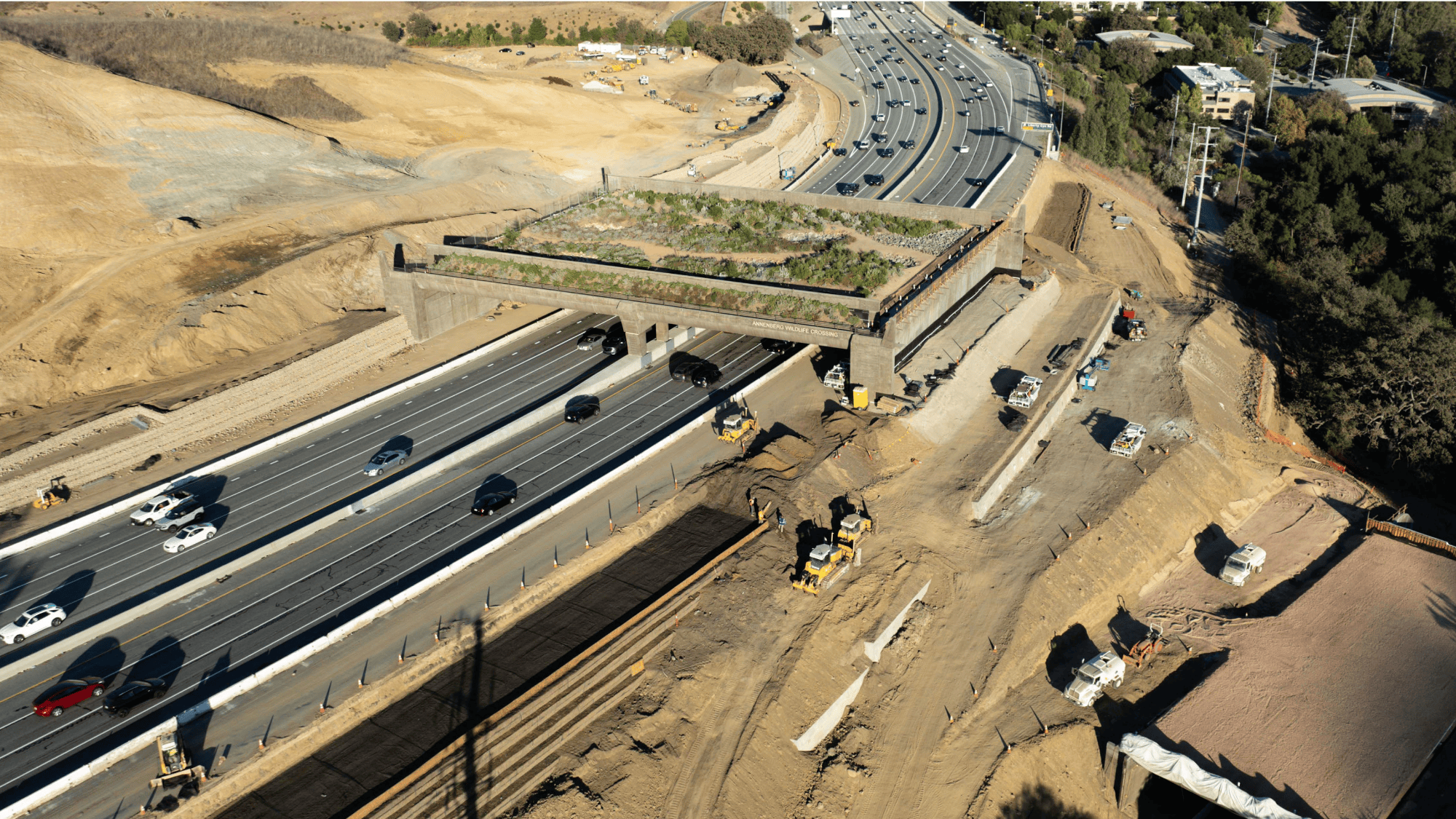
California is known for its giant, multi-laned highways bustling under bright blue skies. And while this infrastructure is useful to humans, the Golden State’s many highways represent an almost impenetrable barrier for wildlife.
Soon, habitats on either side of the 10-laned 101 Freeway in Agoura Hills, California will be reconnected thanks to the world’s largest wildlife crossing, according to the Los Angeles Times. The Wallis Annenberg Wildlife Crossing is scheduled for completion on December 2.
Wildlife crossings are structures that help animals safely cross roads. In the United States, collisions between motorists and large animals take place more than a million times a year. Experts estimate that this results in 400 human deaths every year. But the problem isn’t just road accidents. Habitat fragmentation is also a concern, especially for species that require a large range. Inbreeding can occur if a small enough group of animals becomes isolated.
In the Los Angeles area, mountain lions (Puma concolor), also known as pumas or cougars, are currently the species most vulnerable to genetic isolation caused by roads and development, according to the project’s website. And the 101 Freeway appears to be the most important obstacle, out of all the roads in the area, to the region’s ecological health.
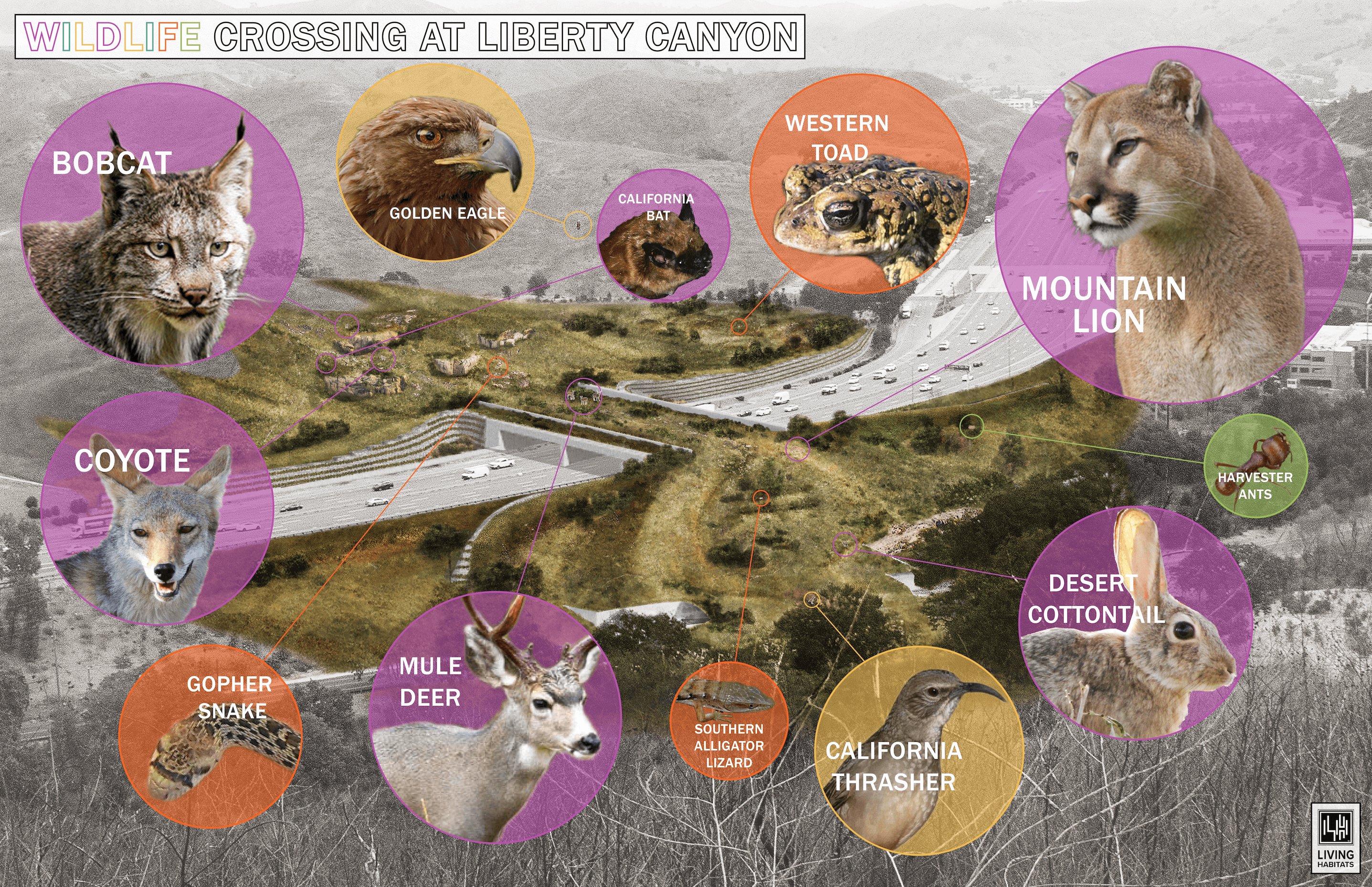
As such, the Wallis Annenberg Wildlife Crossing aims to reconnect local plants and animals in the ecosystem of the Santa Monica Mountains. It’s about 210 feet long and about 170 to 174 feet wide. A thick, sturdy-looking vegetation-covered bridge already straddles the busy freeway—but the weather might throw a wrench in the project’s schedule.
“We’re just hoping El Niño‘s on our side,” Beth Pratt, president of the Wildlife Crossing Fund, tells the Los Angeles Times, in reference to the climate pattern that typically brings wetter winter weather along the United States’ southern border. Flooding would put work on pause, according to the outlet. “I keep saying, ‘Mother Nature, we’re trying to help you. Let’s not throw any more complications our way.’”
KioskNews shows a cleaned-up reading view extracted from the publisher’s page — the original always lives on their site, not ours.