China should share its renewable energy expertise
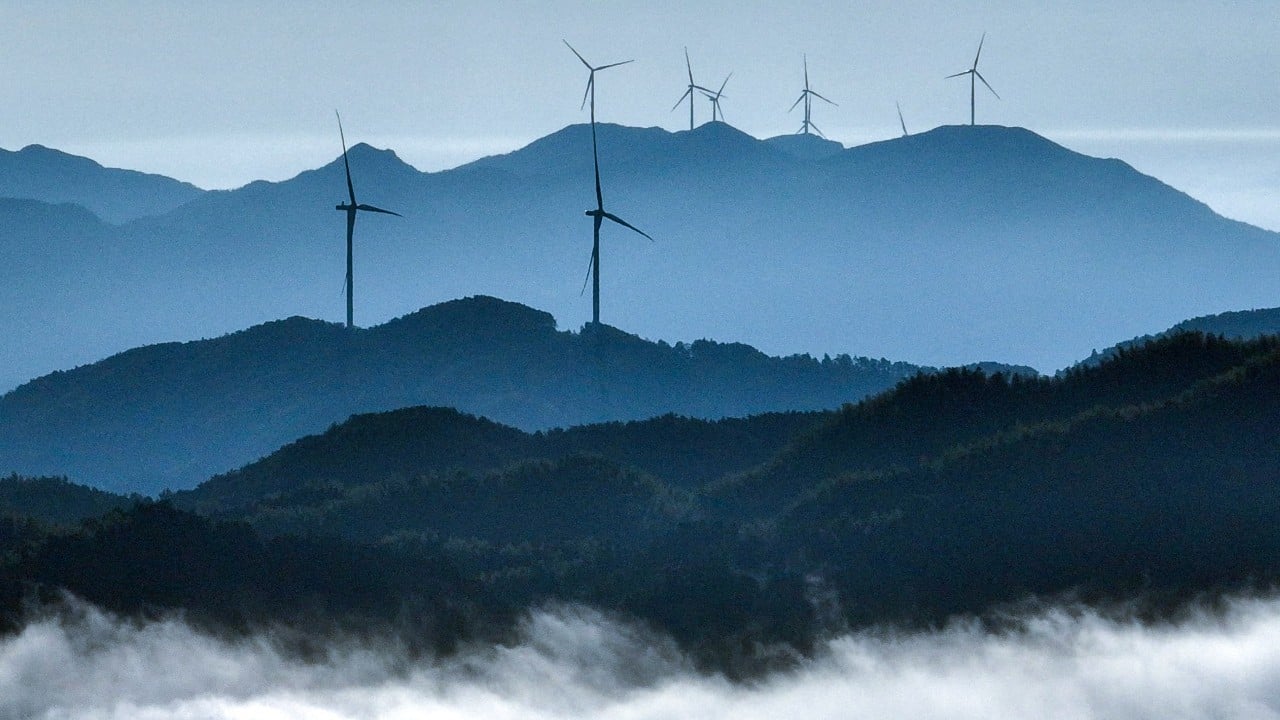
China is updating a law that has underpinned one of the most remarkable industrial transformations of our time. After two decades of rapid renewable-energy development, China is preparing to rewrite the rules that have guided, supported and guarded its energy revolution.
The draft revision to China’s Renewable Energy Law was released on November 6 for public comment until December 5.
Twenty years ago, China, having just joined the World Trade Organization, saw energy consumption surge as factories ramped up production of inexpensive jeans, furniture, television sets and more to meet global demand. Over 75 per cent of electricity was still being generated from cheap, local coal.
As trade expanded, so did public complaints about dirty air, toxic water and soil degradation. China started to consider energy sources such as wind and solar. Back then, hydropower accounted for almost all of China’s renewable energy capacity.
Adopted in 2005, the Renewable Energy Law established a foundation for long-term development through national planning, renewable energy targets, grid connection and purchase obligations, feed-in tariffs and financial incentives.
It helped create the policy certainty needed to attract investment, stimulate technological innovation, build manufacturing capacity and develop a domestic market on an unprecedented scale.
02:23
China’s coal miners worry about a greener future
The results have been extraordinary. Installed renewable energy capacity surpassed 2,337 gigawatts last year with a further 300GW of wind and solar power capacity expected this year. Solar power has overtaken coal as China’s largest source of installed power generation capacity. China’s clean technology exports, including batteries, wind and solar components, as well as electric vehicles, reached a record value of around US$222 billion last year.
China is now central to global supply chains for photovoltaics, wind power, batteries and electric vehicles. Its renewable energy manufacturing capacity has helped drive down costs, making renewable energy increasingly affordable for countries that previously struggled to access it.
This industrial strength gives China an extraordinary opportunity to contribute to the global energy transition through deeper international collaboration. The circumstances that shaped the 2005 law have fundamentally changed.
China’s proposed law revision includes additions that address challenges such as power generation and grid coordination, and emerging opportunities such as green hydrogen and equipment recycling.
Understandably, almost all the additions are related to domestic energy development. However, Article 6 of the draft revision states that China “adheres to the principles of equality, mutual benefit and win-win cooperation, and actively promotes international cooperation in renewable energy”. One short line but it carries considerable significance.
Xi pledges to cut China’s climate emissions by up to 10%
International partnerships should go beyond a buyer-and-seller relationship to support technology transfers, local manufacturing, skills development and long-term institutional capacity. China’s contribution must extend beyond building a wind farm in the Philippines or selling solar panels to Pakistani farmers.
For many developing countries, the challenge is not only to obtain affordable solar panels, wind turbines or batteries. It is to build the institutional, technical and human capacity to develop, operate and maintain renewable energy systems over the long term.
A country may import solar equipment, but without trained engineers, capable local enterprises, supportive regulations, access to finance and a reliable grid, it may struggle to turn those imports into lasting developmental benefits.
China’s universities, technical institutions, companies and research organisations have accumulated valuable experience in renewable energy development. Sharing this knowledge, supporting skills development and helping to build capabilities in partner countries should become a central part of international cooperation in renewable energy that is supported by the Renewable Energy Law revision.
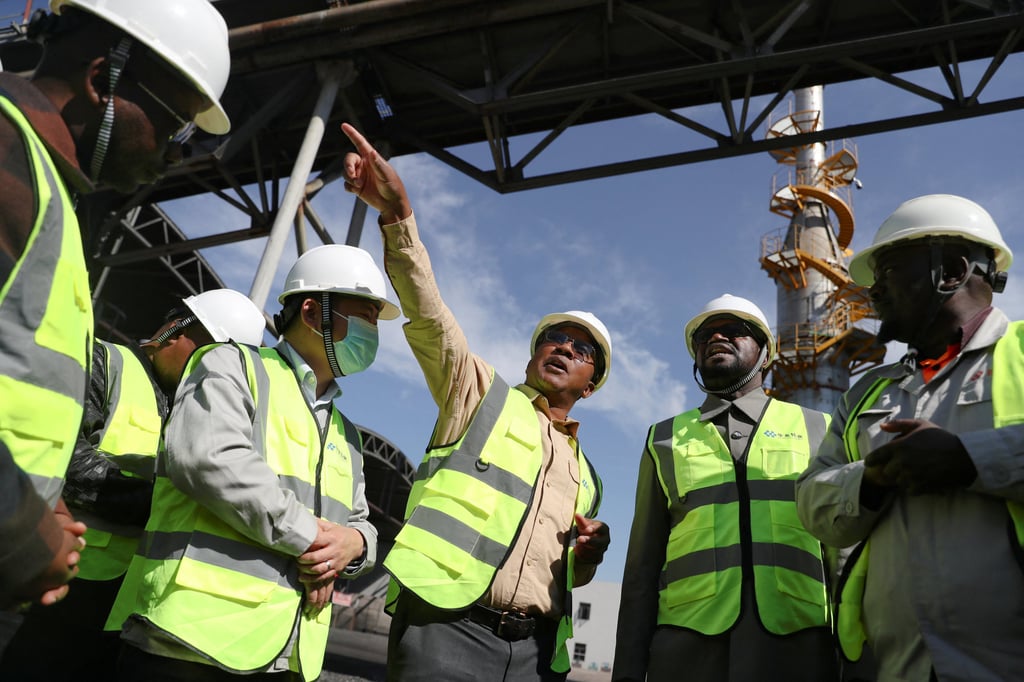
There is also the question of critical minerals. Solar panels, wind turbines, batteries and electric vehicles depend on minerals and materials whose extraction and processing can have significant environmental and social consequences.
Water depletion, biodiversity loss, pollution, unsafe working conditions and other effects on local communities cannot be treated as someone else’s problem. A genuinely sustainable renewable energy industry must not reproduce the environmental damage and social inequalities associated with the fossil fuel economy.
The climate crisis is accelerating, and the world needs clean carbon-free energy sources more urgently than ever. As the world’s largest renewable-energy developer, producer and investor, China needs to recognise in its revised Renewable Energy Law that the sustainability of renewable energy must be evaluated across the entire life cycle, from mineral extraction and manufacturing to project development, operation and eventual recycling.
02:30
Nickel boom in Indonesia threatens farmers’ livelihood and natural environment
The draft’s reference to international cooperation is a welcome starting point. It needs to be backed by more concrete policies, incentives and accountability mechanisms to encourage responsible overseas investment and meaningful capacity-sharing.
China’s original Renewable Energy Law was written when the priority was to establish renewable energy as a viable and competitive industry. It has succeeded beyond imagination. The world now needs a different kind of leadership.
The next renewable energy revolution must be about more than capacity expansion. It must also build resilient and flexible energy systems, ensure responsible mineral supply chains, create genuinely green industries, expand energy access and make the benefits of technological progress available to people beyond China.
China helped make renewable energy affordable for the world. Its next contribution should be to help make the global renewable energy transition responsible, inclusive and sustainable. That is the ambition the revised law should embrace.
KioskNews shows a cleaned-up reading view extracted from the publisher’s page — the original always lives on their site, not ours.