31 Years Later, Martin Scorsese's Greatest Crime Thriller Officially Defines the Genre With This Quote

Erik Hawkins is an award-winning writer and editor who's been obsessed with cinema since he was old enough to hold Roger Ebert's Video Home Companion in his hands. He lives in NYC, where he rabidly watches everything from the newest releases to the more odd and obscure, and regularly shares his thoughts on Letterboxd. From ghost-writing fiction and webisodes in South America to local news, trial coverage, and politics in NYC, he's rarely put down his laptop over the past 15 years.
Some five years after he delivered Goodfellas, the most electric and intoxicating gangster film of all time, Martin Scorsese once again teamed up with crime reporter and screenwriter Nicholas Pileggi to deliver his dark and definitive masterpiece on America itself: Casino. Arguably Scorsese's finest hour, the bloody, glittering sprawl of Casino perfectly embodies the spiritual rot at the heart of American capitalism.
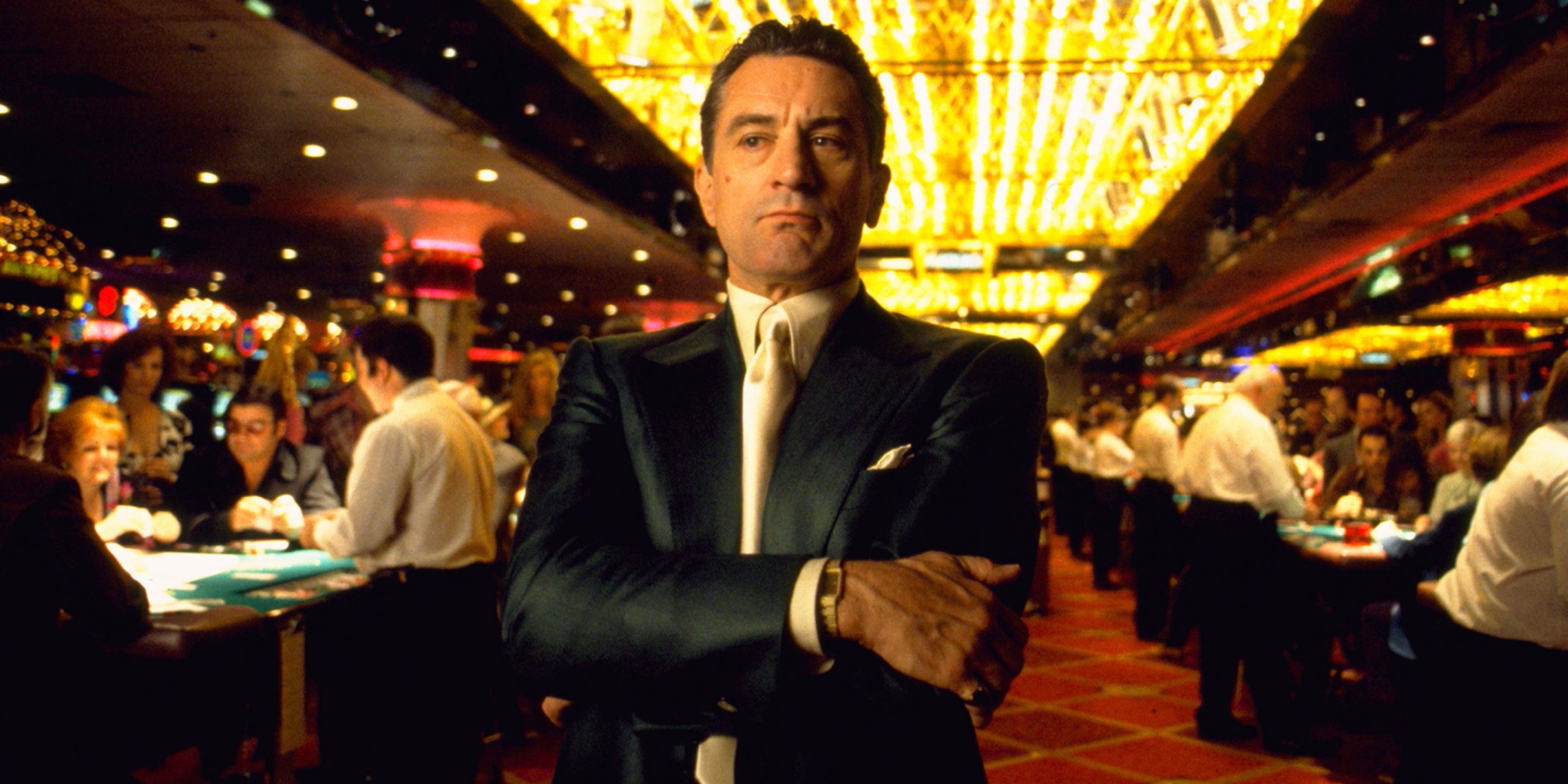
Over the course of the film, the director's well-trodden world of gangsters finds strange bedfellows with corporate and business interests in the heart of the desert, as a Mafia associate (Robert De Niro) moves out to Las Vegas to oversee the Tangiers casino on behalf of the mob. Scorsese's breathtaking technique makes the film's three-hour runtime fly by like one in a sea of neon, acrid dialogue, and raw brutality, but the overwhelming impression it leaves is one of horror. Scorsese, editor Thelma Schoonmaker, and cinematographer Robert Richardson conjure dark magic here, with visuals that are gauzy and gorgeous like a memory, while also somehow looking cheap and nightmarish — much like the illusion of Vegas itself. De Niro, Joe Pesci, and Sharon Stone, likewise, have all never been better either, throwing themselves into characters as vile as they are tragic.
And while Scorses's work is always highly quotable, in Casino, one line sums up not just the film, but the way the world of crime itself (and the films about it) changed in the '90s.
The Quote That Defines the Horror of 'Casino'

About a third of the way through the film, De Niro's Sam "Ace" Rothstein (based on the real Frank "Lefty" Rosenthal) has finally received his gaming license after years of unofficially running the Tangiers casino, and is receiving an award for his "charitable work." As cameras snap, and he receives applause, Ace's voice-over says: "Back home, they would have put me in jail for what I'm doing. But out here, they're givin' me awards." Ace's simple bafflement at how quickly and easily his criminal ways are embraced by the "legitimate" world of Vegas politics perfectly captures the real Frank Rosenthal's life and the singular moment Scorsese is portraying, when old-school gangsters were disappeared or subsumed by even bigger corporate predators.
Ace is never able to completely escape from his street roots, though, and is brought down by his foolhardy dedication to both Stone's Ginger and Pesci's psychotic Nicky Santoro. Scorsese uses Ace's downfall as a synecdoche for the collapse of old-school criminal organizations and rise of the multinational, multi-tentacled corporate overlords who take and take and ruin lives the world over with complete impunity. A late-film montage of old Vegas landmarks being demolished to make way for the new rhymes beautifully with a car bombing that Ace barely escapes with his life. Ace was never built for the business world, though he certainly escapes Nicky's fate — one of the most horrifyingly violent scenes in Scorsese's filmography.
Although Scorsese would return once more to the world of gangsters, from the perspective of old age and regret, in The Irishman, nothing compares to the towering monument to excess and horror that is Casino.
'Casino's Greatest Truth Lies in "Holes In the Desert"
The great Hunter S. Thompson famously compared the American dream to the "vision of the Big Winner somehow emerging from the last-minute pre-dawn chaos of a stale Vegas casino" — and Scorsese makes it plain what a gauzy facade that dream is. In the film's breathlessly entertaining first 45 minutes, Ace shows us the inner workings of the Tangiers and how precisely the casino is engineered to prevent big wins from happening. It's an intoxicating insider's view that eventually fades into the more violent reality of what it takes to keep that illusion up: "A lot of holes in the desert ... and a lotta problems buried in those holes."
That's where Nicky Santoro and his brother end up after he crosses one too many higher-ups in management and becomes inconvenient for the aspiring "legitimate" world of casino bosses. Ace, meanwhile, ends up alone and almost murdered by the car bombing that opens the picture, while he marvels at a new Vegas rising from the rubble looking more like "Disneyland" than anything he remembers ... and all paid for with junk bonds. It's one of Scorsese's most devastating endings and the perfect metaphor for the rise of corporate capitalism and the lives and "problems" buried in its wake. Martin Scorsese's three-hour opus is streaming free on Tubi today.
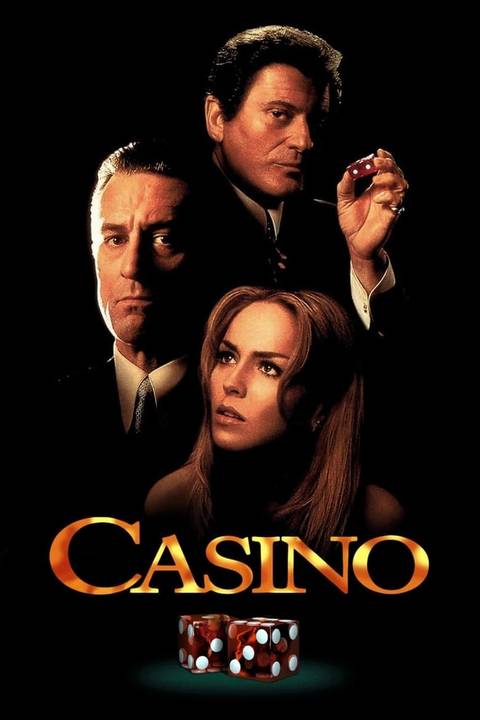
- Release Date
- November 22, 1995
- Runtime
- 179 minutes
- Director
- Martin Scorsese
- Writers
- Martin Scorsese, Nicholas Pileggi
- Producers
- Barbara De Fina
KioskNews shows a cleaned-up reading view extracted from the publisher’s page — the original always lives on their site, not ours.