‘Hills razed, wells dry’: South Haryana’s rural communities demand ban on mining
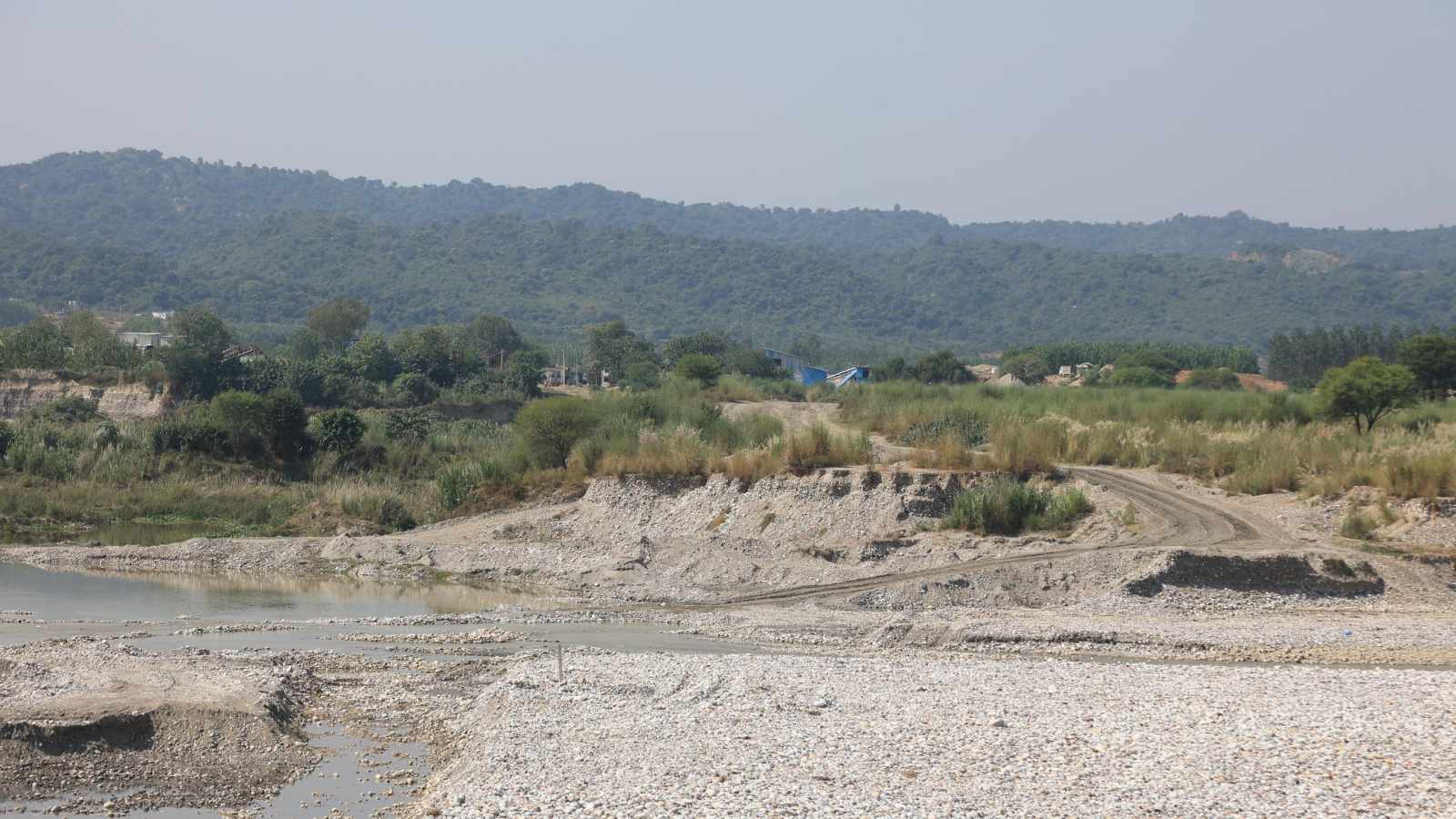
Environmental activists and rural communities in South Haryana’s Charkhi Dadri and Mahendergarh districts have asked the Supreme Court-appointed Aravalli committee to recommend an immediate ban on mining in the region and restore the affected areas.
The development came during the committee’s field visit and public consultations held in the two districts on Tuesday, Aravalli Virasat Jan Abhiyaan, an environmental group, said in a statement on Wednesday.
Neelam Ahluwalia, co-founder of Aravalli Virasat Jan Abhiyaan, said, “We urge the committee to recommend an absolute ban on mining in water-stressed dark zones like Mahendergarh and other districts, cancellation of mining leases of those breaching the groundwater table and mining beyond their lease areas.” She also said the panel should recommend “undertaking a cumulative environmental, social and health assessment of the damage done in the Aravalli range over the last few decades by mining, stone crushing, cement plants, and waste dumping”.
Complaints of alleged cracked houses, dry wells, and hills flattened into craters greeted the Supreme Court-appointed High-Powered Committee on Tuesday as it visited south Haryana to examine the demarcation of the Aravalli range.
During hearings across Charkhi Dadri and Mahendergarh districts, villagers and environmentalists demanded an immediate mining moratorium, lease cancellations, and ecological restoration, the collective Aravalli Virasat Jan Abhiyaan said in a statement.
At Ramalwas village, All India Kisan Sabha district vice-president Om Prakash said nearly the entire ridge across Charkhi Dadri and Bhiwani was dismantled over the past decade. “Except for a single hill under the Aravalli Plantation Project, virtually every hill has been auctioned. No technology can regrow razed hills.” He also said that excavation below groundwater levels has depleted local aquifers, while blasting and stone dust have caused silicosis, respiratory illnesses, and eye injuries.
Ramalwas sarpanch Sanju said villagers boycotted the 2024 Assembly elections to protest quarrying that damaged homes, eventually forcing the lease’s termination. “Miners extracted wealth, but our panchayat hasn’t received its mandated revenue share or rent since 2018,” she said, demanding compensation and the conversion of mining pits into rainwater recharge reservoirs.
Story continues below this ad
In Pandwan, activist Yogbir Sangwan alleged widespread extraction beyond lease boundaries in villages like Pichopa Kalan and Manakwas. “Overloaded dumpers run under illicit WhatsApp tip-off networks. Enforcement teams face armed attacks, and panchayat representatives reporting illegal blasts receive death threats,” he said.
In Mahendergarh’s Rajawas village, residents flagged a dual administrative move.
Revenue records presented by resident Satyanarayan showed Haryana notified 506.33 acres in Rajawas as “Protected Forest” on June 20, 2023, for Great Nicobar compensatory afforestation.
On the same day, 119.55 acres — nearly 24 per cent of that land — was put up for e-auction for stone mining without panchayat consent.
Story continues below this ad
With groundwater in Satnali block plunging to 1,500-2,000 feet, residents warned that proposed mining threatens an active community pond linked under the Atal Bhujal Yojana. They urged the committee to scrap the auction, ban mining in dark zones, and notify the contiguous 15-kilometre ridge across 20 villages as a Conservation Reserve.
Formed through an order in May, the Aravalli panel is currently conducting an independent review of the Centre’s report on the definition and delineation of the Aravalli hill range. It has to submit its final report by November 30.
The collective submitted a charter to the panel seeking an absolute ban on quarrying in water-stressed dark zones, cancellation of leases breaching groundwater levels or concession boundaries, a cumulative environmental, health, and social impact assessment across the range, weekly drone surveillance over mining clusters and interstate borders, and mandates promoting alternative building materials to curb virgin stone extraction.
KioskNews shows a cleaned-up reading view extracted from the publisher’s page — the original always lives on their site, not ours.