Coke Zero or regular Coke: Which is better for your health?
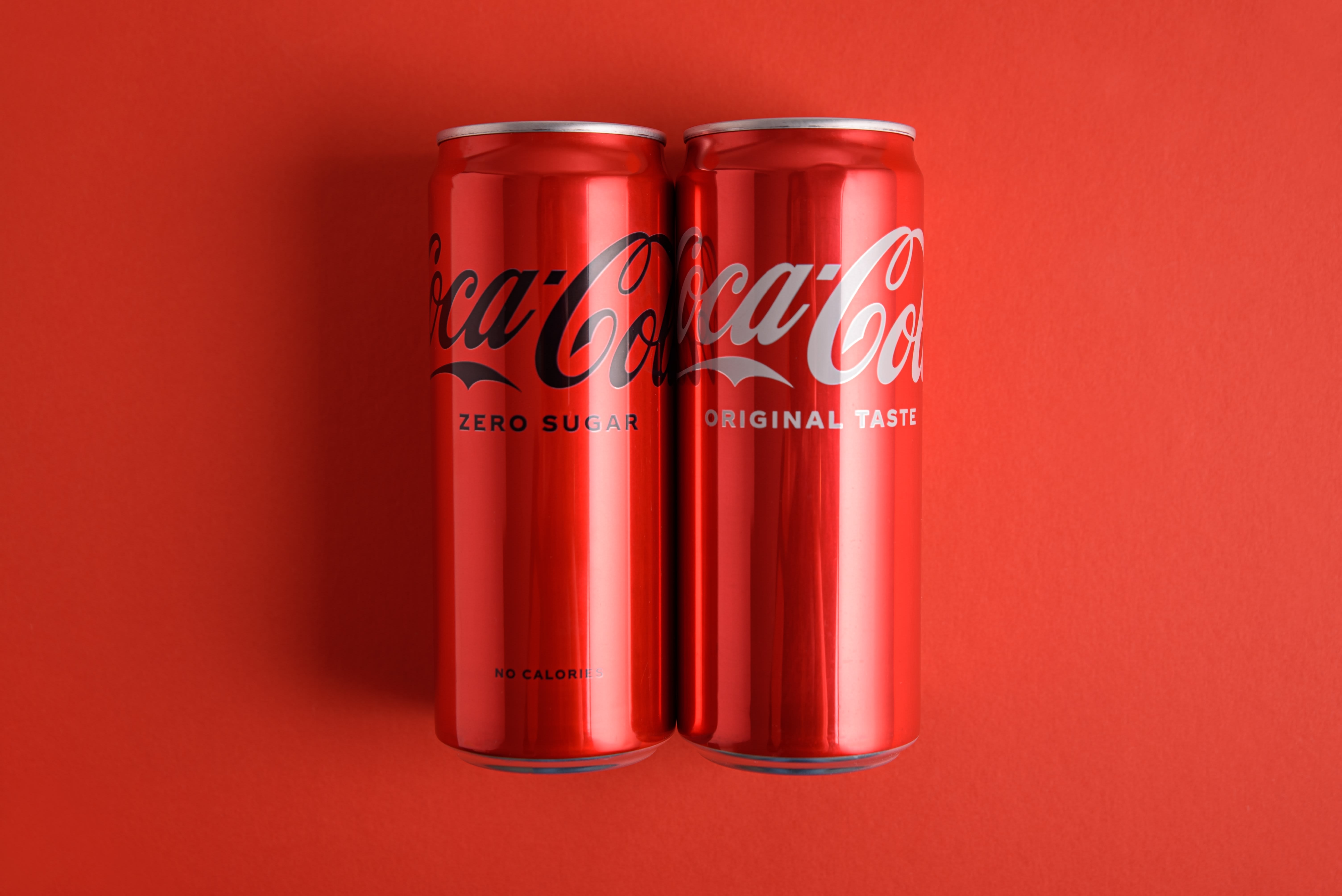
Replacing regular Coke with Coke Zero can help habitual cola drinkers cut sugar and calories. It is a familiar choice when ordering food, opening the refrigerator, or browsing the drinks aisle, complicated by warnings about artificial sweeteners, cancer, and weight gain.
For most adults who regularly drink sugary cola, the switch can be a useful step toward reducing their intake. Water remains the preferred everyday drink, and people who already rely on it have no health reason to start drinking Coke Zero.

The first difference is the sugar content
Regular cola contains about 10.6 grams of sugar and 42 calories per 100 milliliters. A 330-milliliter can contains about 35 grams of sugar, nearly nine teaspoons, and roughly 140 calories. Coke Zero contains no sugar and a negligible number of calories. In the product sold in Israel, the sweeteners aspartame and acesulfame K provide the sweetness. Formulations can differ between products and countries, so check the label.
That difference matters. The World Health Organization recommends limiting free sugars to less than 10% of daily energy intake and suggests reducing them to below 5% for additional health benefits. Free sugars include sugars added to foods and drinks, as well as those naturally present in honey, syrups, and fruit juices. On a 2,000-calorie diet, those limits amount to less than 50 grams and, ideally, less than 25 grams a day. A single can of regular cola exceeds the stricter limit.
Does switching to Coke Zero help with weight loss?
It can help when it replaces a sugary drink. A review published in JAMA Network Open that included 17 randomized clinical trials found that replacing sugar-sweetened drinks with low- or no-calorie alternatives was associated with small improvements in body weight and some measures of body fat. The participants were mainly adults with overweight or obesity.
The SWEET study, published in Nature Metabolism in October 2025, also found a modest benefit. Adults who included products containing sweeteners in a reduced-sugar diet maintained greater weight loss after one year, with a difference of about 1.6 kilograms compared with the group that avoided them.
Several limitations are worth considering. The study examined a range of foods and drinks, so its findings cannot be attributed to Coke Zero alone. Only about 60% of the adult participants completed the study, and some researchers disclosed ties to the food and beverage industry. The findings support a possible benefit from replacing sugar with sweeteners; they do not establish that drinking Coke Zero on its own causes weight loss.
Why does the WHO advise caution about sweeteners?
In 2023, the WHO recommended against relying on non-sugar sweeteners for weight control or the prevention of chronic diseases. The recommendation was conditional, reflecting uncertainty about their long-term effects. It addressed their use for those purposes and left existing safety assessments in place. It also excluded people with pre-existing diabetes.
Some concerns stem from observational studies that found associations between diet drinks and disease. Such studies cannot establish cause and effect. People with overweight or a higher risk of diabetes may switch to diet drinks because of their health. Researchers therefore need to distinguish between the health of people who choose diet drinks and the effects of replacing a sugary drink with a sugar-free alternative.
Do sweeteners pass through the body unchanged?
Sweeteners behave differently in the body. Aspartame, for example, breaks down in the digestive system into phenylalanine, aspartic acid, and methanol. Safety assessments consider those substances, the amounts involved, and overall exposure. The fact that a sweetener breaks down does not, by itself, indicate harm. Claims that all sweeteners enter and leave the body unchanged are inaccurate.
Aspartame is about 200 times sweeter than sugar, so only a very small amount is needed. Sweetness alone tells us little about toxicity. Assessing safety also requires more information than whether a substance is described as “natural” or “artificial.”
What does the cancer warning mean?
In 2023, the International Agency for Research on Cancer classified aspartame as “possibly carcinogenic to humans”, based on limited evidence. The classification concerns its potential to cause cancer. It does not establish that a can of Coke Zero causes cancer or quantify the risk at a particular level of consumption.
At the same time, a joint expert committee of the WHO and the UN Food and Agriculture Organization retained an acceptable daily intake of up to 40 milligrams per kilogram of body weight. For someone weighing 70 kilograms, that amounts to 2,800 milligrams of aspartame from all sources combined. This is an amount considered acceptable for daily consumption over a lifetime; there is no reason to aim for that level.
People with phenylketonuria, an inherited condition that requires strict limits on phenylalanine, are an important exception. They need to avoid or restrict aspartame under medical guidance.
Sugar-free cola is still acidic
Coke Zero can also affect teeth. Removing sugar reduces a food source for the bacteria that cause tooth decay, while acids in the drink can still erode tooth enamel. Sipping over several hours prolongs that exposure. Reducing how often you drink acidic beverages, drinking water afterward, and avoiding brushing immediately after an acidic drink can help limit the damage.
When choosing between regular Coke and Coke Zero, Zero has a clear advantage in reducing sugar and calories. For someone switching from regular cola, it can be a useful way to change drinking habits. People who already drink water have no health reason to add it, and water should still account for most of the fluids consumed each day.
KioskNews shows a cleaned-up reading view extracted from the publisher’s page — the original always lives on their site, not ours.