Philippine poverty falls to record low, but many still feel insecure
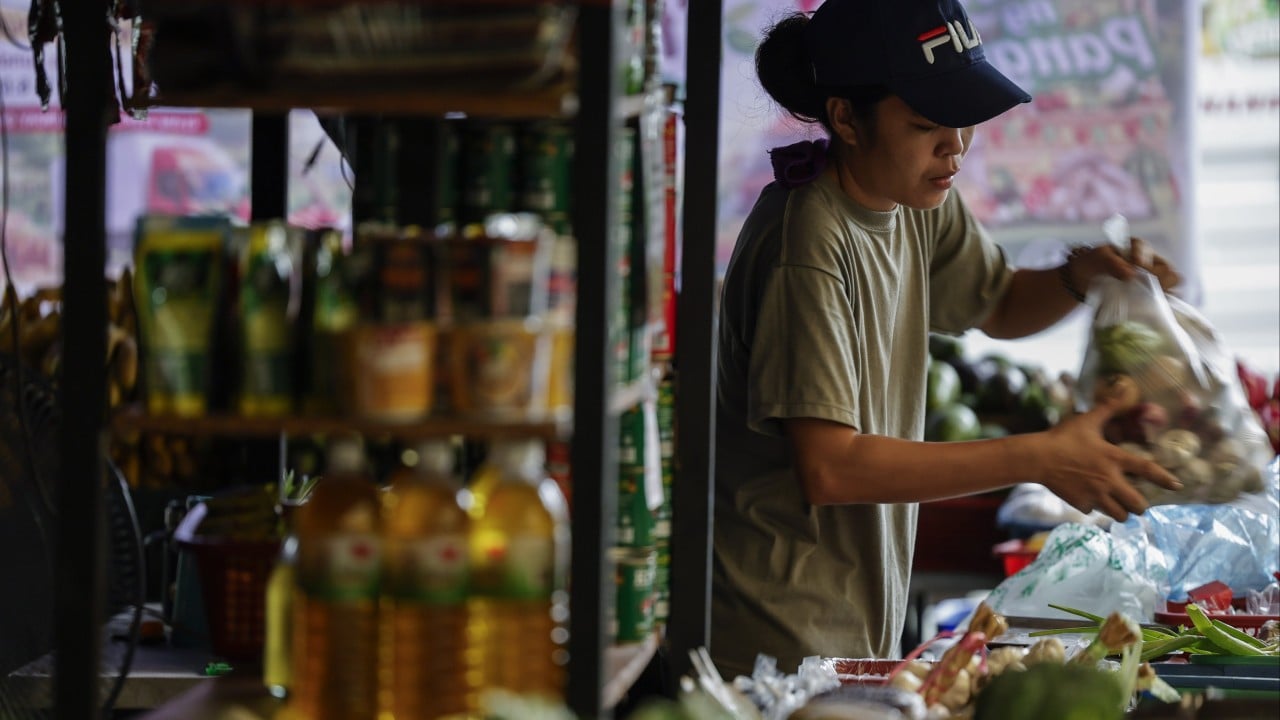
The Philippines has cut its official poverty rate to below 10 per cent for the first time, a milestone officials hailed as proof that millions of Filipinos are climbing the economic ladder.
Yet for families like Vhan Castro’s, there is a big difference between being officially counted as middle class and actually feeling financially secure.
The 34-year-old earns an average of 40,000 pesos (US$650) a month for his family of four through a patchwork of side hustles – from renting out a van for long-haul journeys to running a vehicle repair garage.
His wife, a nurse in Saudi Arabia, is taking a year’s unpaid leave to care for their family, having given birth to their second child two weeks ago. Until she returns to work overseas at the end of her maternity leave, the family depends solely on Castro’s income.
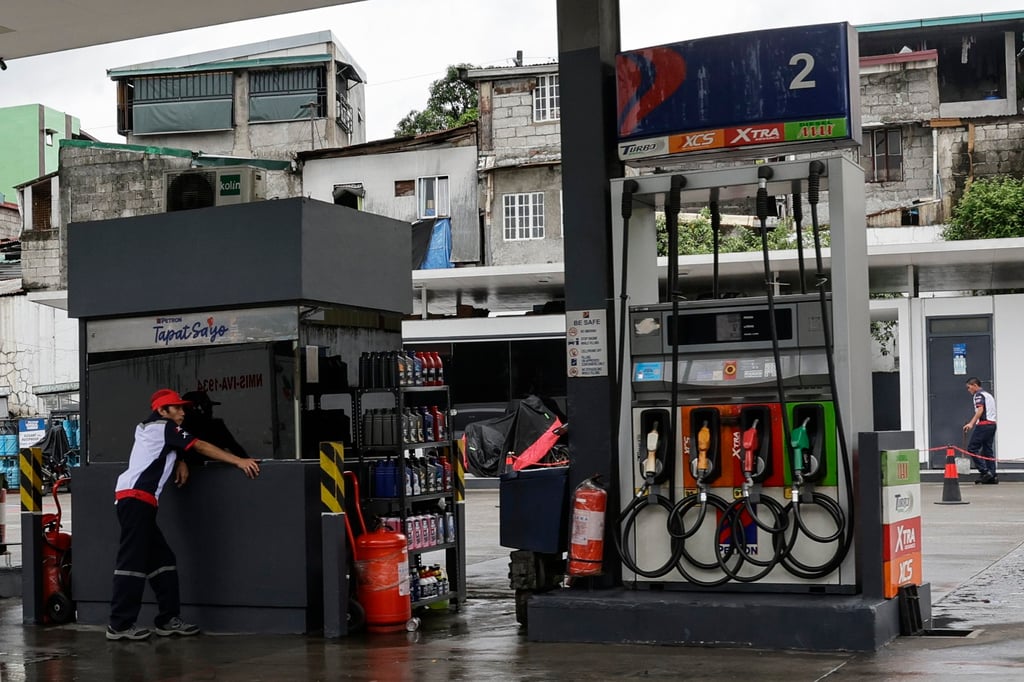
By the official benchmarks, that income places his family in the middle class. But the lived reality – strained by the Philippines’ rising cost of living and fuel prices – is more complicated.
The couple have managed to put aside some savings, but healthcare costs and other concerns weigh heavily on them.
KioskNews shows a cleaned-up reading view extracted from the publisher’s page — the original always lives on their site, not ours.