Saskatoon appeals board rules oversized million-dollar home can remain

By Chris Carr Global News
Posted November 20, 2026 3:22 pm
2 min read
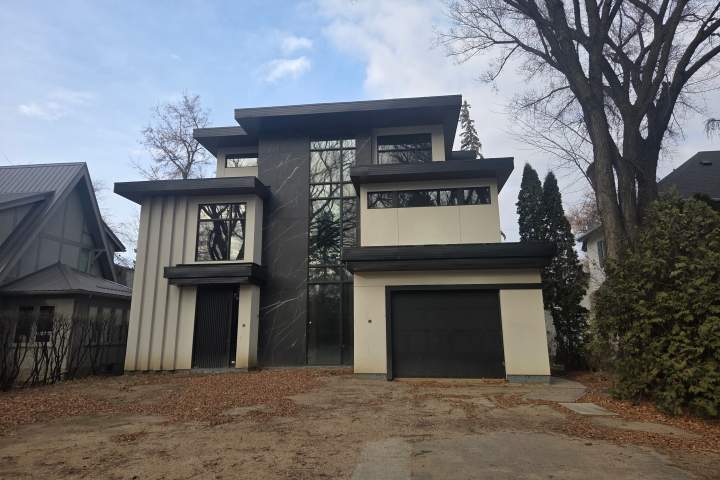
Saskatoon’s Development Appeals Board is granting a variance for a multimillion dollar Nutana home, allowing it to stay built despite being too tall under city bylaws.

“It is certainly a relief for them,” said Kim Anderson, a lawyer who has been representing Curtis Kelln in the matter. Kelln bought the property at 833 University Dr. in 2025 from the estate of the previous owner who died unexpectedly. Much of the home had already been framed under a building permit issued in 2022.
However, Kelln was unaware the home exceeded the city’s zoning height limit by 1.8 metres.
Even though the city conducted nine building and framing inspections between 2022 and 2026, the height issue was never flagged. Anderson said his client relied in good faith on the city-issued permits.
“The height of the building is something that would normally have been inspected and caught,” Anderson said.
Story continues below advertisement
The homeowners argued the 9.68 metres total height of the house should be allowed because the circumstances were exceptional, the requested variance was minor and granting it would not unfairly affect the neighbours.

Get daily National news
Get daily Canada news delivered to your inbox so you'll never miss the day's top stories.
In the decision, the Development Appeals Board agreed, saying in part, “granting a 1.8 metre height variance to recognize the as-built structure under these exceptional, circumstances does not confer special privilege that would be denied to another applicant in identical circumstances.”
And there was a lot at stake. A professional opinion found if the variance was denied, the only viable option would be to tear down and rebuild. That’s because removing the top floor alone was estimated to cost just over a million dollars, roughly the value of the home itself.
Robert Clipperton with the Nutana Community Association sympathized, but still opposed the variance.
“By exceeding the size restrictions, it goes against the neighbourhood preservation theme.”
He’s worried the decisions could set a precedent.
“So, the concern is if you allow one house that is four and half feet that are taller than they should be, what happens to the next one?” Clipperton asked.
Anderson thinks that is very unlikely, given how unusual the circumstances are in Kelln’s case.
Story continues below advertisement
That said, the final chapter may still be written.
“We need to continue to struggle on this. I don’t know whether we still end up appealing the decision to the Saskatchewan appeals board, or not,” Clipperton said.
The October appearance before the board was the second appeal made by Kelln. Two other areas of the house, including a sidewall, have since been brought into compliance. An exterior wall
has also since been removed.
“Essentially, when we returned with the second appeal, we were making a substantially smaller ask, than we did the first time around,” said Anderson.
“And given the direction and comments we’d received from the board on the first appeal we thought we had a good chance of finding favour and certainly upon our review, the decision it seems that that smaller ask did make the difference.”
KioskNews shows a cleaned-up reading view extracted from the publisher’s page — the original always lives on their site, not ours.