10 Superheroes Who Prove Secret Identities Are Completely Overrated
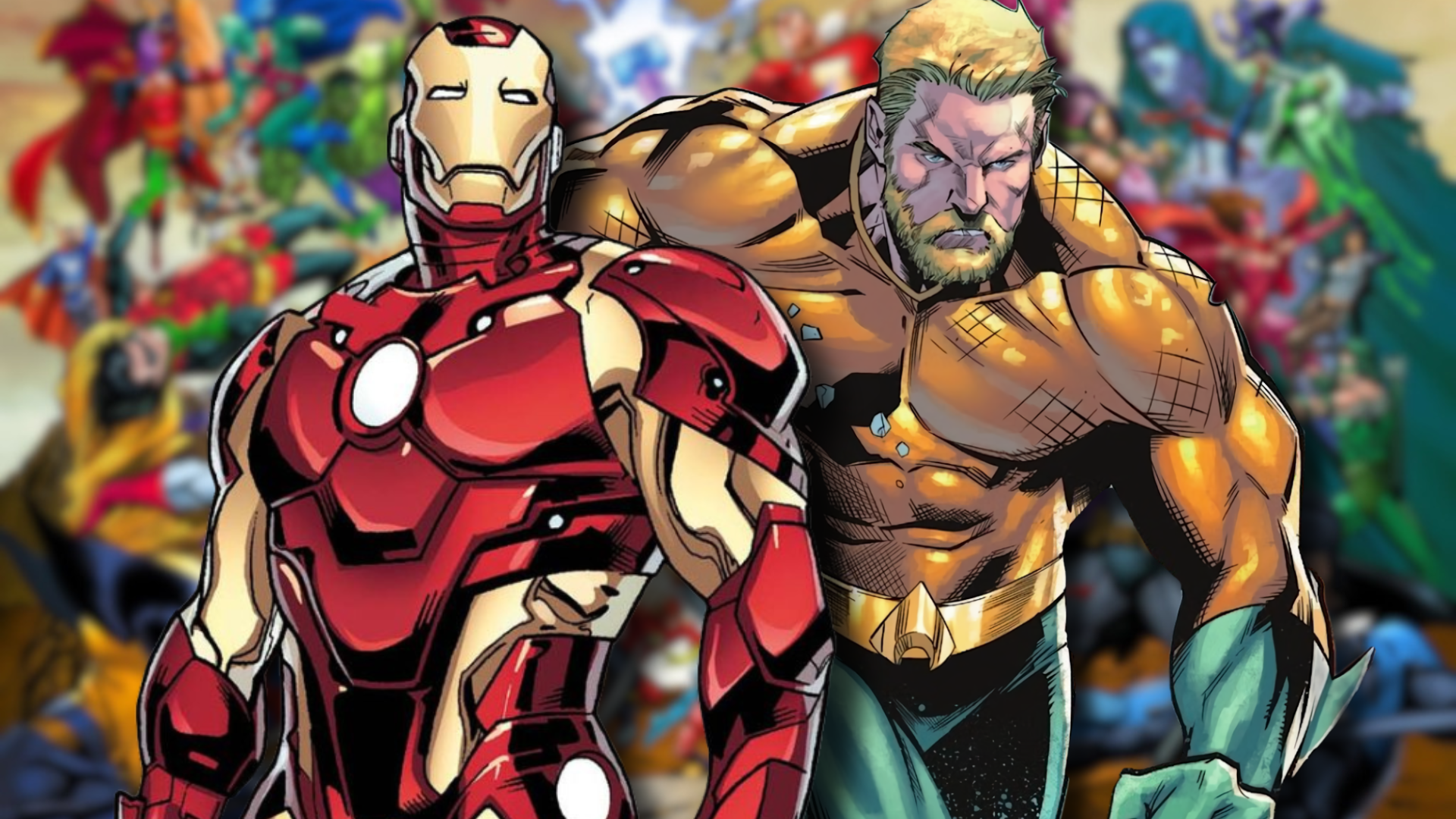
Secret identities across superhero comics have always been a longstanding tradition, allowing the heroes to protect their loved ones and continue living normal lives without drawing unwanted attention. However, maintaining a secret identity can also come with downsides, forcing heroes to walk a tightrope between their heroics and daily lives. While it benefits some, a secret identity isn’t something every hero needs.
In fact, there are plenty of heroes who operate in plain sight, standing as public figures, celebrities, or even in positions of power. Some superheroes have been open about their identities from the start, while others had theirs revealed later, creating new challenges before embracing their roles as public heroes. By shedding the burden of maintaining a double life, these superheroes prove that hiding behind a mask is far too overrated.
Captain America

Captain America, created by Joe Simon and Jack Kirby, made his debut in 1940. Originally, Steve Rogers was a frail young man from Brooklyn before volunteering for an experimental military program during World War II. During these experiments, he was injected with the Super-Soldier Serum, which transformed him into an enhanced soldier and marked the beginning of his journey toward becoming one of the Avengers’ greatest leaders.
Unlike many superheroes who rely on anonymity to protect their daily lives, Captain America has long operated as a recognizable public figure. His identity has always been closely tied to the ideals he represents, making a secret identity not only unnecessary, but counterintuitive. By embracing his name and accepting public accountability, Steve Rogers reinforced his position as a heroic symbol.
Zatanna Zatara
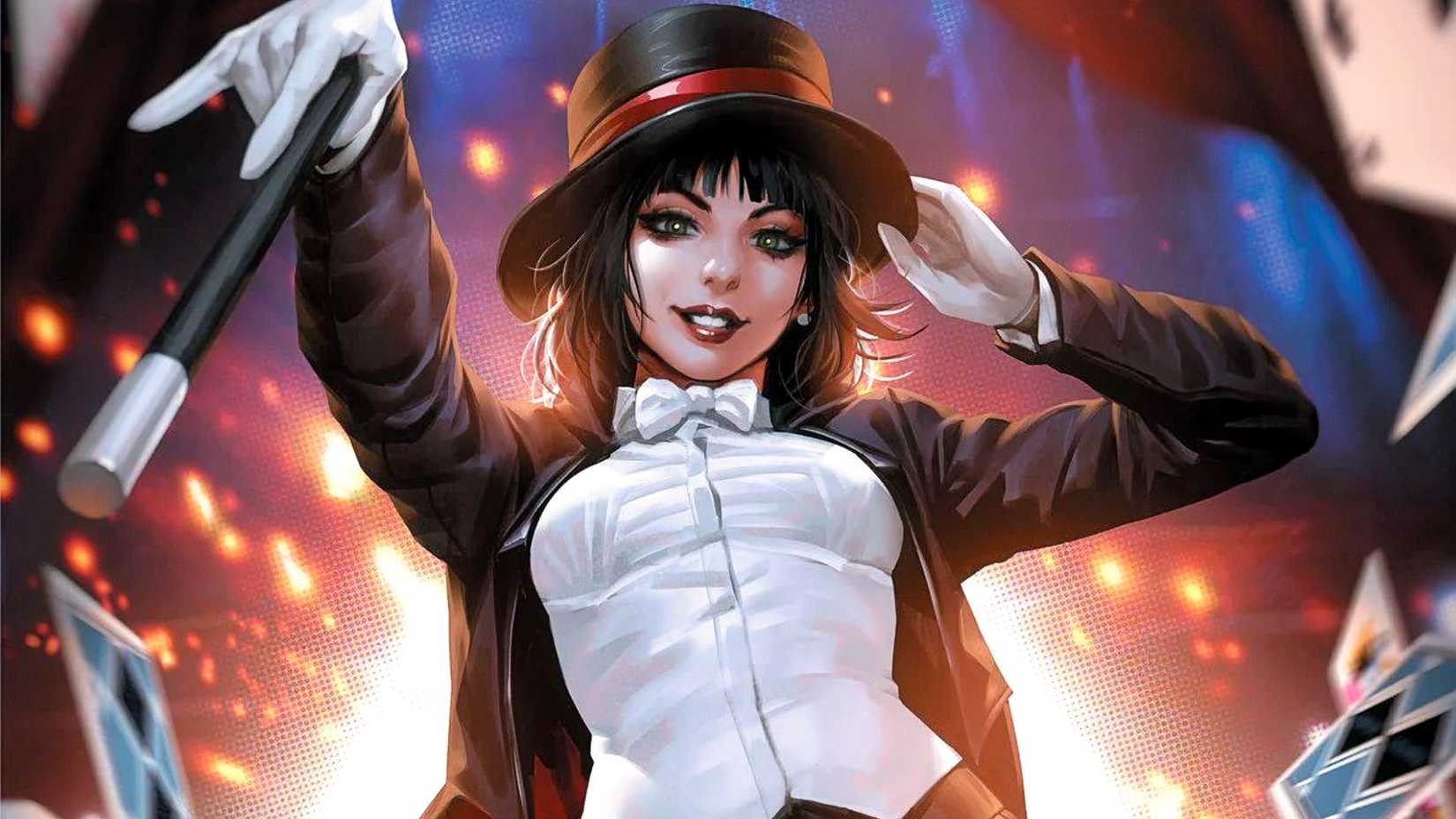
As the daughter of the renowned stage magician Giovanni Zatara, Zatanna inherited her father’s talent for illusion as well as his extraordinary magical abilities. Soon after making her debut in 1964, she quickly established herself as a celebrated stage performer while also standing as one of DC’s most accomplished sorceresses.
Zatanna has always had little reason to distinguish her public persona from her superhero identity, and with her real name already associated with her stage career, there was simply no need to keep her identity a secret. That said, given her career, her genuine magical abilities are often merely seen as elaborate illusions or special effects.
The Flash
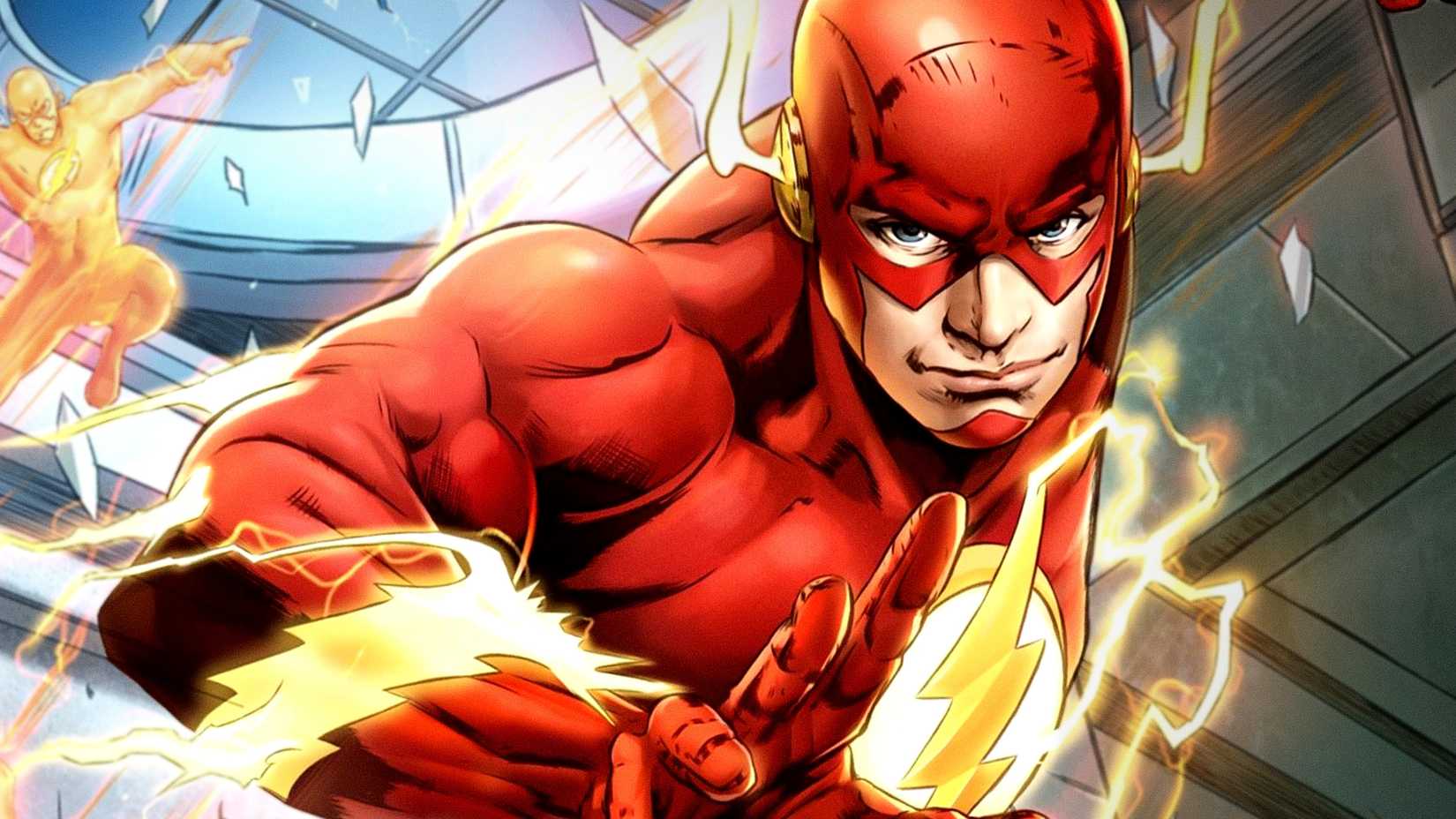
Wally West succeeded Barry Allen as the Flash after gaining super-speed through an accident involving the same electrified chemicals that transformed his predecessor. First appearing in 1959, Wally inherited the heroic mantle following Barry’s apparent death during the Crisis on Infinite Earths and eventually developed a connection to the Speed Force that allowed him to surpass Barry.
When he officially took up the mantle of The Flash, Wally didn’t see a need to hide his civilian identity and instead embraced the opportunity, treating hero work as his official career and public responsibility. However, this decision did lead to some consequences, including his loved ones being targeted, forcing him to reconsider the risks.
Doctor Strange

Before becoming one of Earth’s most powerful sorcerers, Stephen Strange was a successful neurosurgeon until a tragic car accident left his hands severely damaged, putting an end to his surgical career. Desperate for a cure, he eventually found himself in Kamar-Taj, where he studied the mystic arts under the Ancient One, laying the foundation for his rise to Sorcerer Supreme.
Doctor Strange never had much of a reason to conceal his identity and lead separate civilian and heroic lives. His reputation as a former surgeon and prominent mystical authority made him internationally recognizable, and his responsibilities to supernatural threats meant Strange’s primary concern was protecting reality itself rather than maintaining a private civilian life.
Professor X
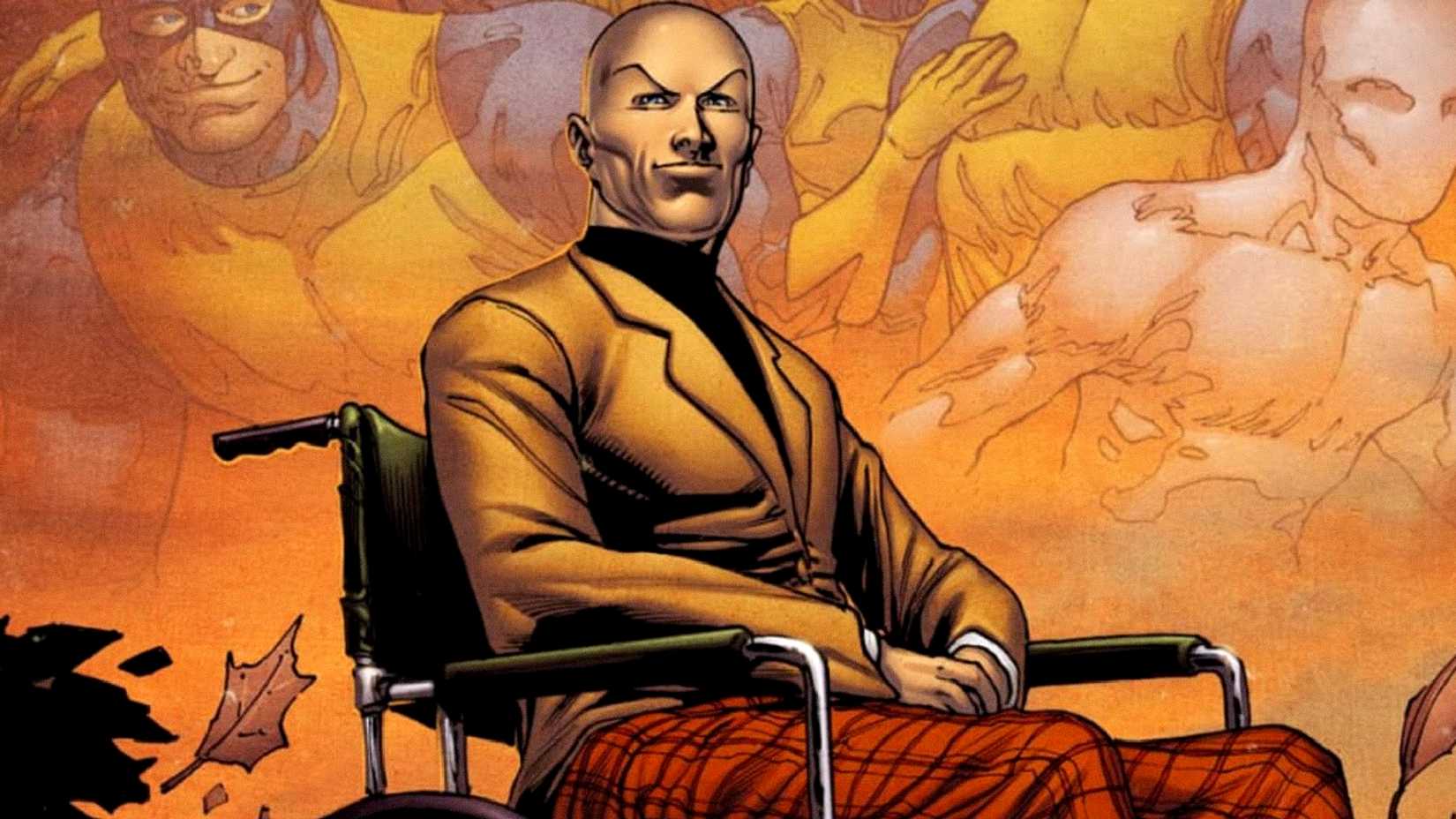
Charles Xavier is one of Marvel’s most influential mutants, with extraordinary telepathic abilities and a deep understanding of genetics and human psychology. Debuting in 1963, Professor X went on to establish the Xavier School for Gifted Youngsters and the X-Men, serving as the foundation for his dream of peaceful coexistence between humans and mutants.
His willingness to put his name, face, and reputation behind his mission makes his aspirations all the more meaningful and compelling.
As an outspoken educator and advocate for mutant rights, Xavier has little to no incentive to conceal his identity. By operating openly, he can promote his philosophy through diplomacy, education, and public engagement rather than presenting mutants as people who should hide their identities. His willingness to put his name, face, and reputation behind his mission makes his aspirations all the more meaningful and compelling.
Aquaman

Arthur Curry first debuted in 1941, but it wasn't until years later that his character was reintroduced as the son of lighthouse keeper Tom Curry and Atlantean Queen Atlanna, giving him a special connection to both land and sea. As the King of Atlantis and a founding member of the Justice League, he stands as the bridge between the two worlds.
Given his royal responsibilities, Aquaman is a very prominent political figure who has no reason or purpose to maintain a secret identity. His role requires him to represent Atlantis openly and negotiate with surface nations, making a double life nearly impossible. Beyond that, even if he did conceal his identity, it would undermine his responsibilities and create unnecessary complications.
Thor Odinson

Based on Nordic myth, Thor Odinson was first introduced in 1962 as the Asgardian God of Thunder. As the son of Odin and the Earth goddess Gaea, he possesses immense strength, durability, control over storms and lightning, flight, and can wield the enchanted hammer Mjolnir. Beyond his role as an Avenger, Thor’s responsibilities have expanded to ruling Asgard as its All-Father.
While Thor has taken on mortal identities, many of those disguises served as divine lessons rather than lasting personas for anonymity. Since he embraced his identity as an Asgardian god, maintaining a separate human identity had no real value to him. His public status also reinforced his responsibilities as a protector and ruler already known across realms, making a secret identity pointless.
Black Panther

Making his debut in 1966, Black Panther went on to become one of Marvel’s most influential superheroes and an absolute icon. T’Challa is the king and protector of Wakanda, an advanced African nation that has hidden from the rest of the world for thousands of years. As a brilliant strategist and accomplished warrior, Black Panther stands among the most capable and powerful superheroes.
For T’Challa, holding the Black Panther mantle is something far more significant than a disguise, but rather a hereditary title that’s inseparable from his royal lineage. His identity is publicly recognized because his work as a superhero is directly connected to his duties as Wakanda’s king, making a secret identity clash and undermine his responsibilities.
Booster Gold

Booster Gold was introduced in 1986 as Michael Jon Carter, a disgraced former football star from the 25th century who traveled to the past in order to seek fame and fortune. With his stolen futuristic technology and robotic assistant Skeets, he established himself as a well-known celebrity superhero.
Booster Gold’s lack of a secret identity is directly tied to his desire for a widespread celebrity status, and he even goes as far as seeking out corporate sponsorships, merchandise deals, and more. Eventually, his priorities do evolve beyond a surface-level wish for glory, and he becomes a guardian of the timestream who carries out his duties without recognition.
Iron Man

Iron Man was first introduced to the world in 1963 as Tony Stark, a billionaire industrialist and engineering genius. After being captured and forced to build weapons, Stark developed his first armored suit to escape captivity, sparking his career as a superhero and eventually leading to his status as one of the Avengers’ most influential members.
Unlike most heroes who operated without a secret identity, Stark did originally hide his identity, pretending that Iron Man was his personal bodyguard. However, he eventually ended that arrangement and publicly acknowledged that he was the armored hero, believing transparency was essential to his advocacy for government oversight of superheroes.
KioskNews shows a cleaned-up reading view extracted from the publisher’s page — the original always lives on their site, not ours.