Babul Supriyo compares fight with Sonu Nigam to Lata Mangeshkar-Rafi rivalry
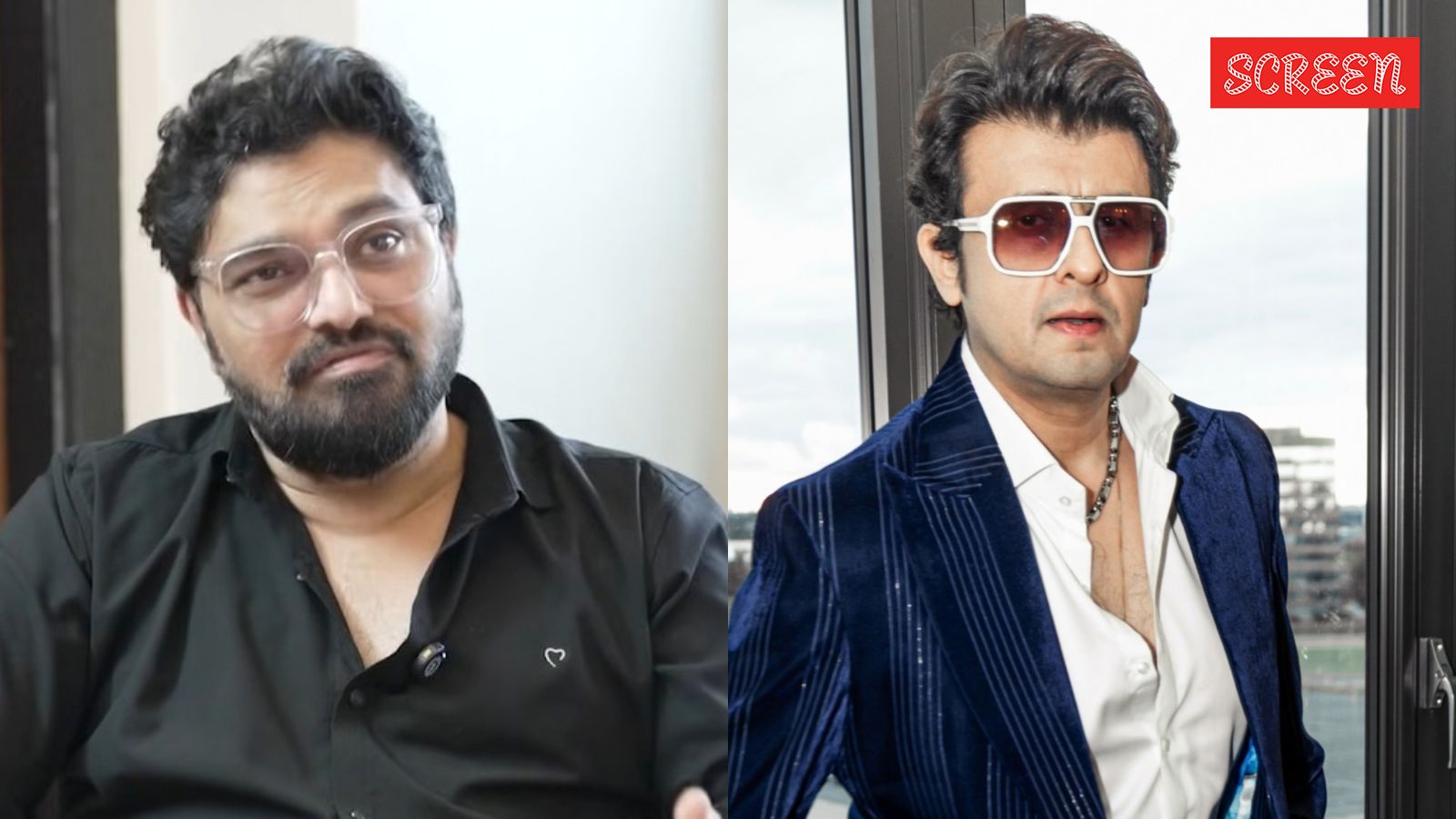
The music industry has been fighting over royalties for decades — whether it was the iconic Lata Mangeshkar and Mohammed Rafi disagreement over the topic or the heated argument that took place between Babul Supriyo and Sonu Nigam in 2005. Even today, Amaal Mallik and Tanishk Bagchi have sparred over the issue. Recently, in a conversation with SCREEN, singer Babul Supriyo spoke about his fallout with Sonu Nigam. He even shared his take on royalties and compared their rivalry to that between Lata Mangeshkar and Mohammed Rafi.
Royalties are payments made to singers whenever their music is streamed, broadcast, performed live, or used commercially, as opposed to a one-time payment made once when they sing or record the song.
What happened between Babul Supriyo and Sonu Nigam in 2005?
According to a 2005 report in Mid-day, it was at the late Aadesh Shrivastava’s birthday at Juhu’s Sun-n-Sand where Sonu Nigam and Babul Supriyo got into a heated argument over royalties. Sonu Nigam and Alka Yagnik had formed the Singers’ Association of India, which was mediating the royalty issue between the music companies and artists. The two had a disagreement which escalated into a heated exchange of words. Talking about this argument to another publication, Sonu Nigam had told the Himalayan Times in 2005, “Yes, there was an argument, but not a physical one. Though if it had come to that, I wouldn’t have minded. I have not beaten up anyone for a long time.”
Also Read: Sonu Nigam reveals why he didn’t comment on CJP protests: ‘Promised my father I won’t’
While he hadn’t named Babul Supriyo, Sonu Nigam had told the publication, “We have a union of singers, and if we find one person trying to create a rift by bribing or influencing important people, we will not take it lying down. We found out who the person was and took up the issue with him. We were having discussions about royalties, and this singer told someone at the party that if we bribed a person, our job would get done. It has been repeated throughout history that there is always one traitor who lets every cause down.”
“Lataji has started this association, and we are putting our hearts into it. Nobody can ruin our efforts. I told this singer to say whatever he has to my face and not behind my back,” Sonu had said. Back then, Babul had refused to comment on the matter and called the reports baseless.
Babul Supriyo on his fallout with Sonu Nigam
Recently, in a conversation with SCREEN, Babul spoke about his fallout with Sonu Nigam. He said, “A similar fallout happened even between Lata Mangeshkar and Rafi Sahab; it was over the same thing. It’s best to move forward. Whatever misunderstanding happened was in the past; he is doing a great job right now. The old musicians are helping singers who don’t get to earn now, so it’s taken a good direction; music companies have accepted that fact. It’s a good fight that they have done.”
Sharing his views on the royalty issue, Babul Supriyo added, “We used to have royalty contracts earlier. I still get royalties for HMV contracts for albums from 1998-99. But the royalties only came for hit songs, and it was based on whatever the company wanted to pay you as royalty. Indeed, artists with one or two hit songs didn’t get royalties; they were deprived of them. Back then, my fear was very similar to what Rafi Sahab had. A lot of music companies demanded shares from the shows we did. I thought we did shows with a lot of hard work. I refused to give that share. So, because of that, I lost a lot of songs. My apprehension was that if we asked for royalties, these music companies shouldn’t go against us. When a singer messes with others, a lot of people take advantage.”
Story continues below this ad
He also recalled, “During Main Hoon Na, AR Rahman had asked for IP rights, but it led to some controversy. Sonu and I are in a good space now; he, Anupji, Shaan, and other older singers are doing a great job. The revenue model today has changed drastically. The amount of money being generated in music, even though CDs and cassettes have been discontinued, the digital world has changed things now. It has multiplied. Whatever is happening right now, and whatever the movement was, it has reached a happy space. Everyone is part of it, so we should all let bygones be and move forward.”
Lata Mangeshkar and Mohammed Rafi’s fallout
Lata Mangeshkar and Mohammed Rafi were one of the most popular singing duos since their first song was recorded in 1947. By the 60s, both had established themselves as the best in the business; however, as reported by ABP News, in 1963 the two had a clash over the royalty issue. While Lata Mangeshkar received royalties for each song she sung, she demanded that other artists also deserve the same. To fight for the same, she expected Mohammed Rafi to stand in her support. Back in 2009, she had told Mumbai Mirror how things escalated during the Music Association’s meeting. “I was taking royalty, but I also wanted other artistes to get it. Rafi saab was instigated into opposing my campaign.”
However, Lata found out that Rafi Sahab was already recording for HMV. Recalling their argument, the legendary singer said in the same interview, “In a meeting among musicians, he said, ‘We get money for what we sing from producers, and that’s the end of what we get.’ (referring to Lata) I guess this ‘maharani’ here will say whatever has to be said.” Following this argument, the duo banned each other for 3-4 years. They refused to sing with each other at live events or even for producers. It was only a written apology that ended their cold war.
On the work front, Babul Supriyo is reestablishing himself as a singer now. After retiring from politics, he has ventured into acting in Bengali projects. Some of his popular songs include the Hum Tum title track, Hamari Shaadi Mein from Vivaah, Dil Ne Dil Ko Pukaara from Kaho Naa Pyaar Hai, Hataa Sawan Ki Ghataa from Hello Brother, Chori Chori Chupke Chupke title track, Chanda Chamke from Fanaa, and many more.
KioskNews shows a cleaned-up reading view extracted from the publisher’s page — the original always lives on their site, not ours.