Mandatory compliance certificate, 2.5-lakh cap: Delhi eyes new e-rickshaw framework
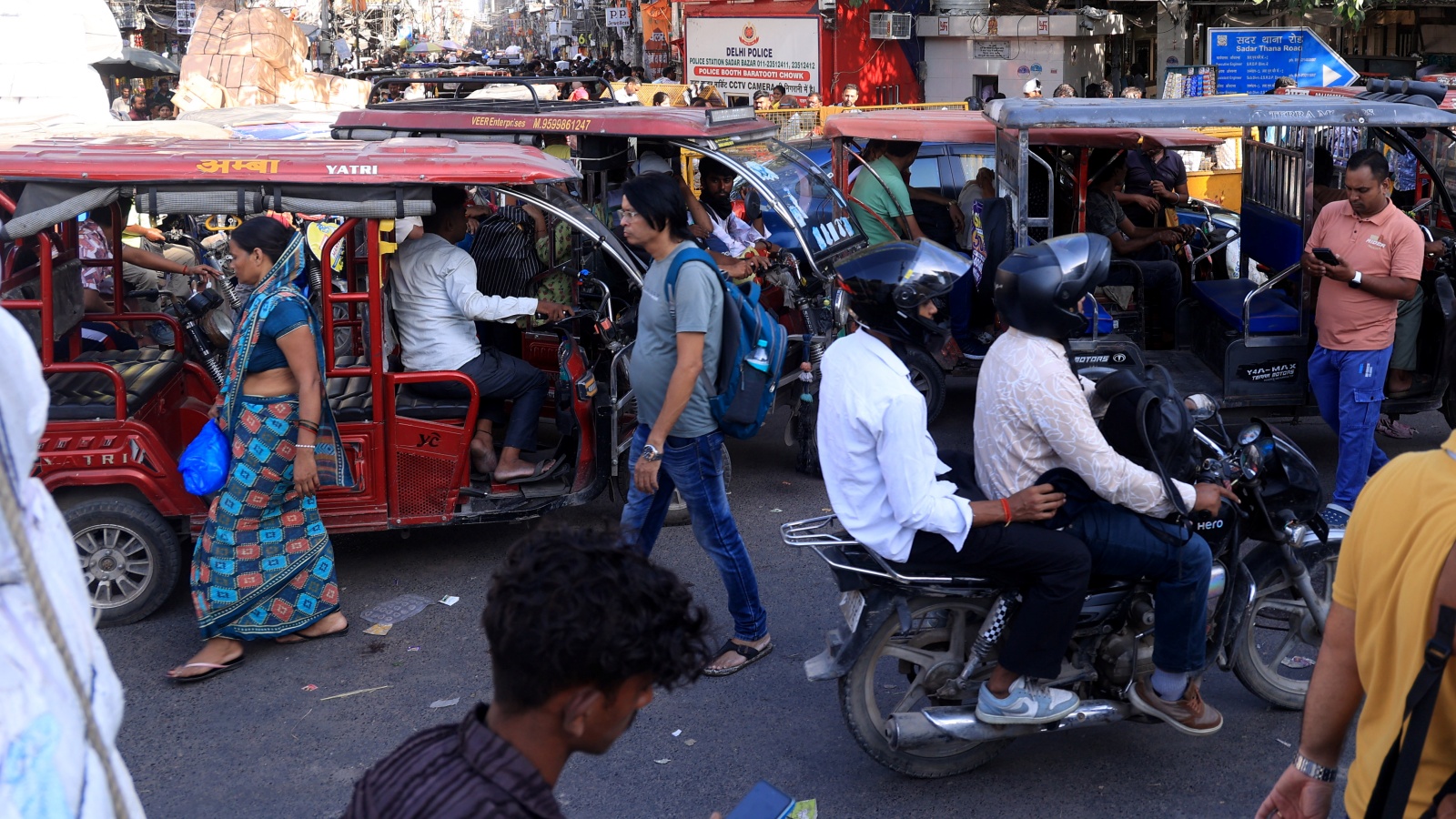
The Delhi government has proposed capping the number of e-rickshaws operating in the national capital at 2.5 lakh and making a digital E-Rickshaw Compliance Certificate (ECC) mandatory for all vehicles under a new regulatory framework, aimed at improving road safety, curbing congestion and regulating the growing fleet, The Indian Express has learnt.
Under the proposed Delhi E-Rickshaw (Registration and Operation) Scheme, 2026, existing e-rickshaws registered in the Capital will have 90 days from the date of notification to obtain the certificate. The Transport department may extend the deadline, according to officials concerned.
The ECC will function as a mandatory compliance and operational authorisation, separate from a permit under the Section 66 of the Motor Vehicles Act.
On the need for revised framework, an official explained, “The government has cited concerns over traffic congestion, road safety, unsafe battery technologies and the unregulated expansion of e-rickshaws, which provide last-mile connectivity to commuters and livelihoods to thousands of owners and drivers.”
The official added, “The proposed cap will come into effect after the compliance window, giving existing operators time to regularise their documents before further registrations are restricted.”
According to the draft policy, the certificate, “valid for two years unless suspended or cancelled earlier, will contain details of the vehicle’s registration, ownership, authorised driver, battery compliance, fitness certificate and insurance.”
“Each certificate will be linked to one vehicle and one driver. A driving licence or driver cannot be linked to more than one valid ECC at a time, according to the draft scheme,” the draft states.
Story continues below this ad
Breakdown of the draft
The proposed framework divides existing e-rickshaws into two categories: vehicles with valid fitness certificates, insurance and drivers holding the required licence and Public Service Vehicle (PSV) Badge; and those missing one or more of these requirements. Both categories will have to obtain the ECC within the prescribed period.
> New vehicles will have to meet the registration and compliance requirements before beginning operations. > Only models type-approved under Rule 126 of the Central Motor Vehicles Rules, 1989, and endorsed by the Delhi Transport department will be eligible for registration and an ECC, the draft further stated.
> The draft scheme proposes limits on ownership, allowing an individual Delhi resident to own no more than five e-rickshaws, while an entity can own up to 100 vehicles. Owners engaging drivers will have to submit their details to the registering authority and update the records whenever a driver changes.
> Drivers must hold a valid e-rickshaw driving licence and PSV Badge and must not be disqualified under applicable law. Entities operating fleets will also have to ensure adequate charging or battery-swapping facilities.
An entity registering its 25th e-rickshaw will have to apply for an aggregator licence under the Delhi Motor Vehicle Aggregator and Delivery Service Provider Scheme, 2023, within one month.
Story continues below this ad
The draft also proposes stringent action against vehicles operating without registration after the scheme’s notification. Such vehicles will be immediately impounded and, according to the draft, will not be released but crushed and auctioned by the Delhi government under prescribed guidelines. Batteries fitted in these vehicles, including those leased from third parties, will also be withheld after impounding and auctioned to registered recyclers for disposal in accordance with applicable rules.
Penalties, restrictions
Registered e-rickshaws — operating without a valid ECC — after the compliance deadline will be impounded until the certificate is obtained and applicable penalties are paid. If the owner fails to secure the certificate within 15 days of impounding, the competent authority may initiate proceedings for disposal of the vehicle in accordance with law.
The scheme lays down operational and safety requirements, including mandatory High Security Registration Plates (HSRPs), a yellow reflective strip at the rear, and the display of the registered owner’s or entity’s name, address and telephone number on the vehicle’s left side. Bull bars and similar frontal crash guards will be prohibited.
E-rickshaws will not be allowed on roads notified as restricted for their movement and must be parked without obstructing traffic or pedestrians. Drivers cannot carry more than four passengers, excluding themselves, or more than 40 kg of luggage.
Story continues below this ad
Carrying passengers while they are standing in the vehicle or on the driver’s seat, driving under the influence of alcohol or narcotic substances, and transporting hazardous chemicals, explosives or inflammable materials will also be prohibited.
Drivers will have to maintain cleanliness, assist senior citizens and persons with disabilities while boarding and alighting, and carry prescribed safety equipment, including a first-aid box and fire extinguisher.
The scheme further requires vehicles seeking registration and an ECC to use battery technology notified by the Ministry of Road Transport and Highways. Used batteries must be handed over to authorised recyclers in accordance with the Battery Waste Management Rules, 2022, and Central Pollution Control Board guidelines.
The Transport Department may conduct inspections before issuing certificates or at specified intervals to verify vehicle details, ownership, driver identity, battery compliance and other statutory requirements. Applicants seeking e-rickshaw or e-cart driving licences will also have to meet prescribed training requirements.
Story continues below this ad
Those aggrieved by an order suspending or cancelling an ECC can appeal within 30 days before the Special Commissioner (Transport), Delhi government, or another notified authority.
KioskNews shows a cleaned-up reading view extracted from the publisher’s page — the original always lives on their site, not ours.