NCMH: Suicide-related hotline calls rise to 35%; callers getting younger
Make this your preferred source to get more updates from this publisher on Google.
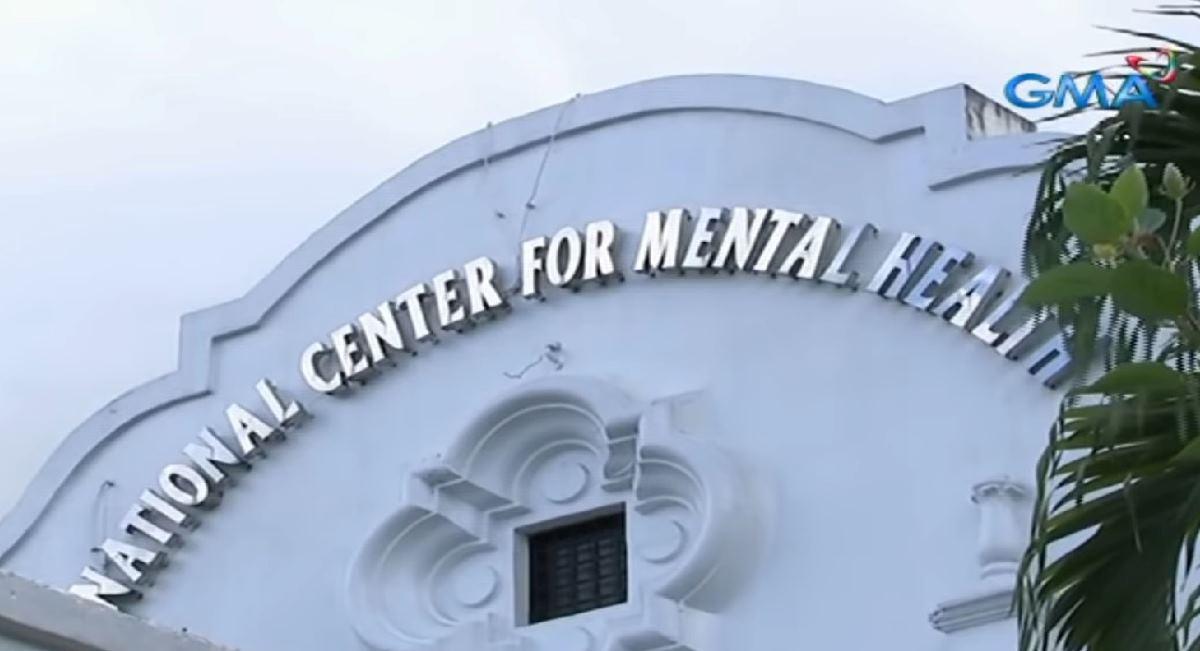
The number of suicide-related calls to the government's mental health hotline has increased to 35%, with callers increasingly getting younger, the National Center for Mental Health (NCMH) said Monday.
“On our 24/7 crisis hotline, the number of callers has quadrupled. Before the pandemic, 10% of callers were suicide-related, but now they account for 35% of all callers,” NCMH Medical Center Chief Dr. Noel Reyes said on Bagong Pilipinas Ngayon.
“The number of callers experiencing problems related to self-harm has increased. The callers are also getting younger,” he added.
Reyes stressed that seeking mental health support is not a sign of weakness but an indication of self-awareness, courage and responsible decision-making.
The NCMH urged young people not to wait until their emotional burden becomes unbearable before seeking help or support.
“We must tell our young people that seeking help is not a sign of weakness but a form of self-protection. Protecting yourself is a sign of courage, self-awareness and, of course, responsible decision-making,” Reyes said.
The agency also urged adults to be more understanding of young people and avoid comparing their experiences with those of previous generations, noting that children are growing up in different environments.
Adults should listen to young people's feelings and emotional distress without judgment and avoid dismissing their concerns as being “dramatic” or telling them that they should be grateful because “others have it worse.”
Reyes said the neglect or invalidation of children's feelings is among the common reasons they refrain from seeking help even when experiencing severe emotional distress.
“Remember that this child is exposed to a different environment. The pressures they face are different from those we experienced while growing up,” Reyes said.
He said adults should respond with reassurance when a child opens up about emotional difficulties.
““Thank you for telling me. Thank you for opening up to me. Don't worry. I know you shouldn't have to face this alone. I will help and support you. I'll try to help you find the right support.' These are appropriate responses when a student opens up,” he said.
The NCMH issued the statement following another fatal school shooting at Banga National High School in South Cotabato.
The agency called on parents, teachers and peers to closely monitor children and friends for significant physical or behavioral changes that interfere with normal functioning, as these may indicate emotional distress.
Among the warning signs identified by the NCMH are an intense fear of going to school, intrusive thoughts and nightmares.
Adults should also watch for physical complaints such as headaches, stomachaches, constipation, cold hands and feet, tremors and palpitations, which may indicate anxiety or nervousness.
The NCMH said some children may exhibit more explicit warning signs, including expressing feelings of hopelessness or guilt, abusing alcohol or showing evidence of self-harm. These require immediate intervention from parents or mental health professionals.
Individuals who need mental health support can call the 24/7 crisis hotlines at 1553 or 0919-057-1553.
Free online psychosocial support is also available via video call. Sessions can be scheduled through www.ncmhusaptayo.com.— MCG, GMA News
KioskNews shows a cleaned-up reading view extracted from the publisher’s page — the original always lives on their site, not ours.