Venice battles rising seas and overtourism in fight to preserve its way of life
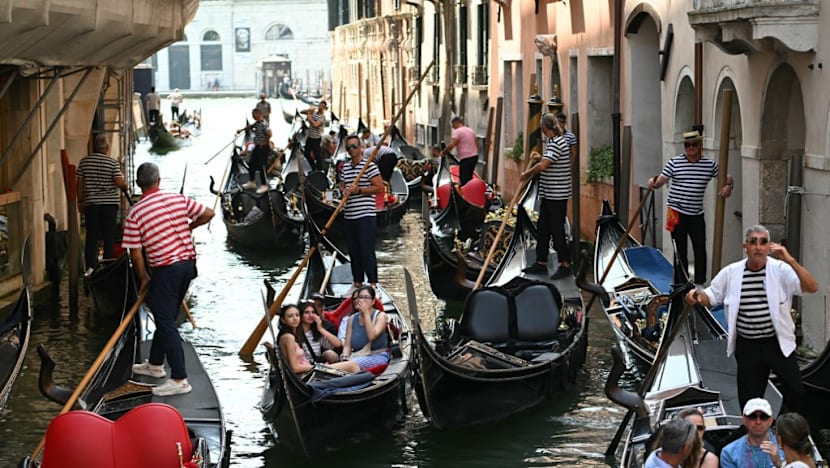
In the first in a series examining how coastal cities are adapting to climate change, CNA looks at Venice's struggle to protect its historic buildings from flooding while managing the growing pressures of tourism on its residents.
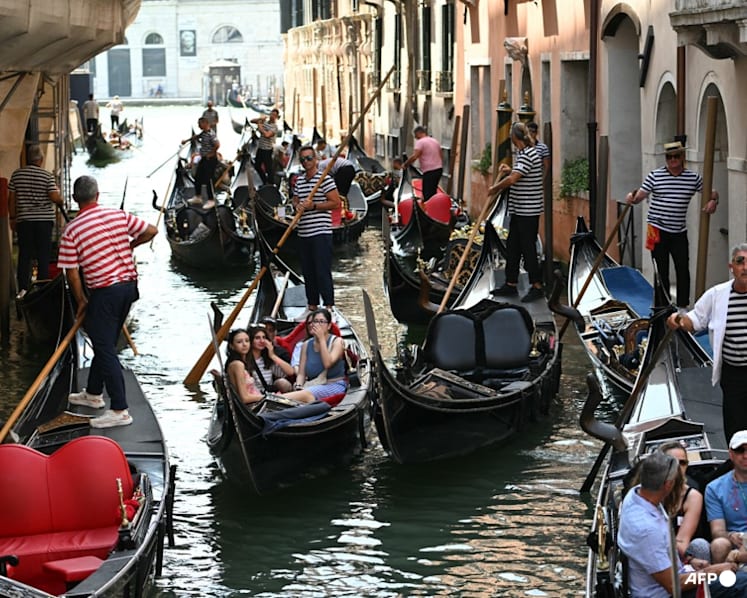
Tourists riding gondolas in Venice on June 24, 2025. (Photo: AFP/Stefano Rellandini)
New: You can now listen to articles.

This audio is generated by an AI tool.

18 Nov 2026 05:39PM (Updated: 18 Nov 2026 06:09PM)
VENICE: For centuries, Venice in northeastern Italy has lived with the ebb and flow of the tides.
But as sea levels rise, the city famed for its historic buildings and canals faces an increasingly uncertain future.
Beyond the threat posed by the sea, it is also grappling with the challenges of mass tourism.
Millions of tourists flock to the UNESCO World Heritage site each year, sustaining its economy while placing growing pressure on its infrastructure and residents.
BUYING TIME AGAINST RISING SEAS
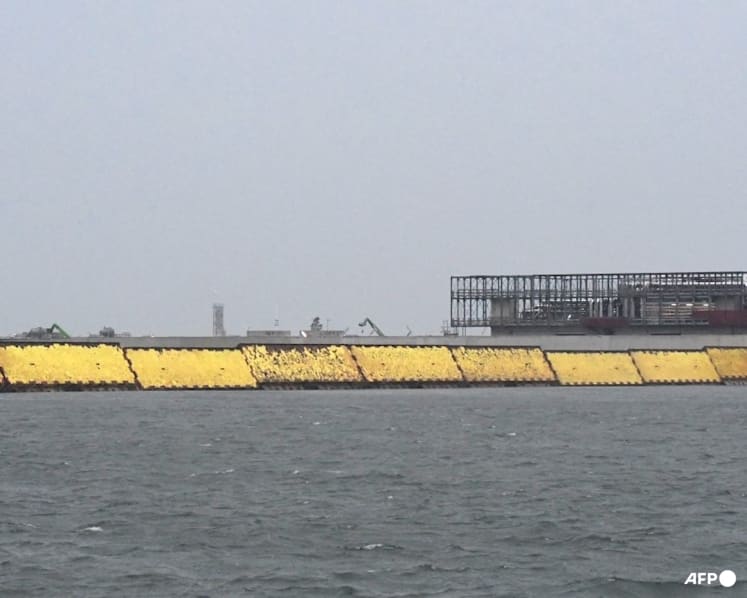
Venice's main defence against flooding is MOSE, short for Modulo Sperimentale Elettromeccanico, a system of massive movable barriers that temporarily seals off the Venetian Lagoon from the Adriatic Sea during extreme high tides.
The system is designed to protect the low-lying city from flooding, buying authorities time to develop more lasting solutions.
“The operation of the flood barrier system gives us another 50 to 70 years to plan and think about what we can do in the long term to permanently protect the city,” said Alvise Papa, head of Venice's tide forecasting and warning centre, which monitors the city’s water levels.
Academics have examined several options to protect Venice in the longer term, including surrounding the city with levees, installing more flood barriers and even abandoning the city in favour of higher ground.
But how long Venice can continue to rely on its existing defences remains uncertain.
“I don’t think the risk is ever zero anywhere, but I think it’s manageable,” said Robert Nicholls, professor of climate adaptation at the University of East Anglia in Norwich, England.
“I think the concern is moving forward in time, that as sea levels rise, ultimately those defences will be threatened,” he added.
Other low-lying European cities, including Rotterdam and Amsterdam in the Netherlands and Hamburg in Germany, face similar coastal flooding risks.
Venice is sharing its knowledge with other cities facing similar environmental challenges, including in Asia.
“We’ve developed relationships with a number of cities, particularly with Japanese prefectures. They face very similar challenges, both in terms of the impact of storms and rising sea levels, as well as other weather-related issues,” said Papa.
“So, exchanging knowledge and experiences between cities is definitely essential, because the challenges ahead of us are very significant,” he added.
TOURISM’S GROWING TOLL
Tourism is a major source of income for the city, supporting hotels, restaurants and gondola operators who ferry visitors along its canals.
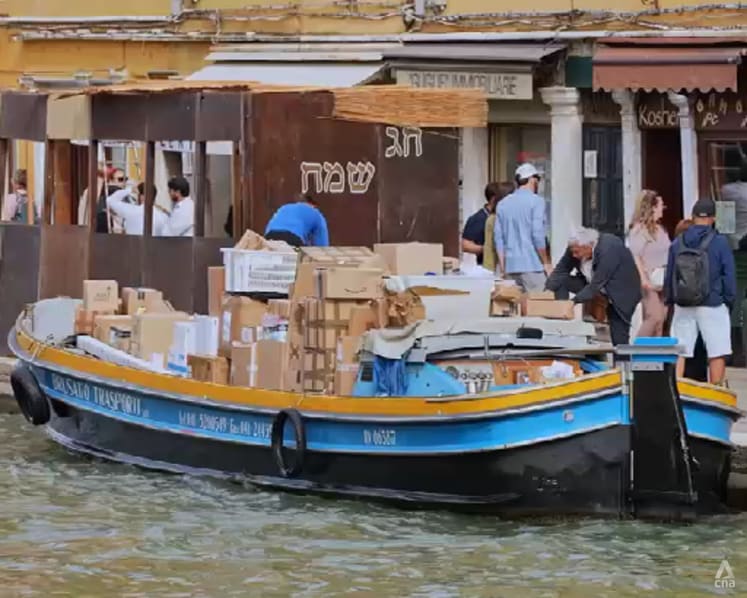
The waterways serve as the city's roads, carrying everything from taxis to ambulances and freight boats delivering goods to hotels and restaurants.
But the constant movement of boats generates waves that damage centuries-old buildings already under strain.
The influx of visitors is also contributing to rising housing costs and demand for short-term rentals, making it harder for residents to remain in the city.
“I increasingly see Venice as an empty shell that is completely losing its essence, and that has become something that can be perfectly packaged and sold to tourists,” said one student.
Another resident said the crowds make even routine activities difficult.
“There are always so many people, and it makes things difficult for Venetians to live their everyday lives in the city – to go and get some bread, do the grocery shopping, or take public transport. You really feel it,” the woman said.
Others see tourism as essential to the local economy.
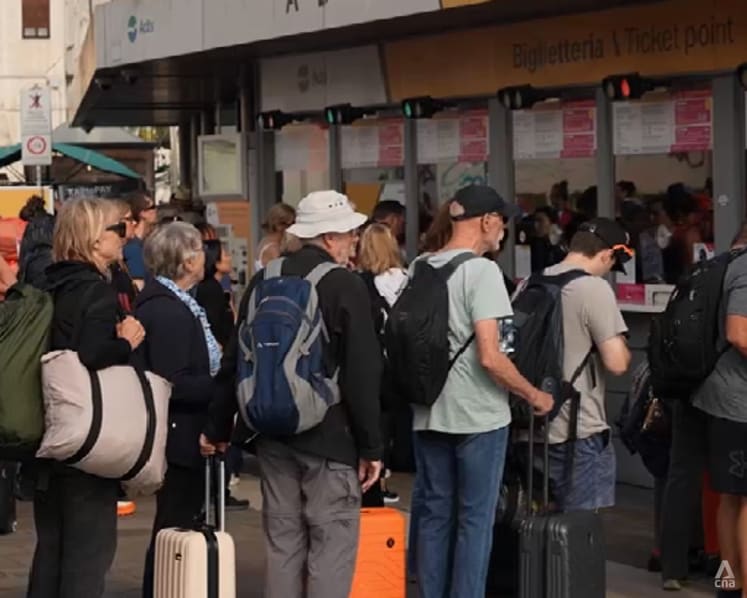
“It’s good for the city because it brings in money. Everyone is working (in) restaurants, hotels, gondolas, taxis, cars. It only does good for the city,” said another resident.
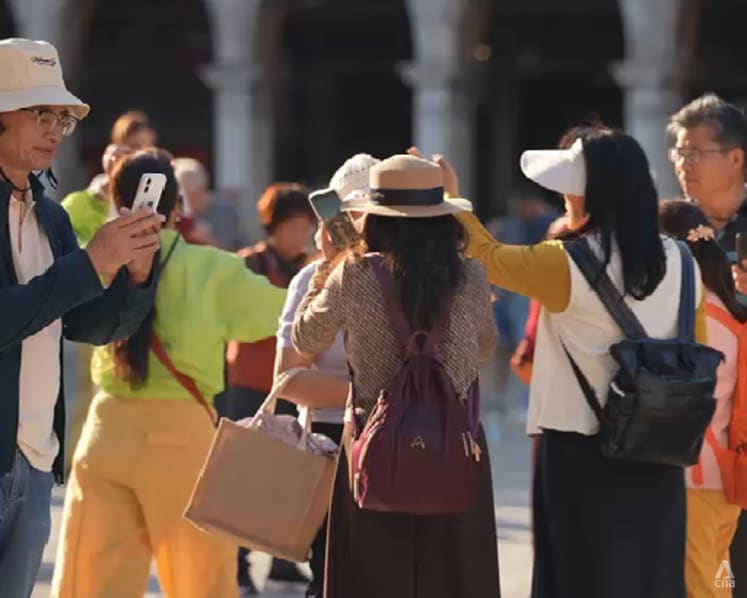
American and European visitors remain the mainstay of Venice's tourism industry, while Asian markets are growing, particularly China.
“One of the most significant developments for us in recent years has been the growth in Chinese tourism,” said Daniele Minotto, deputy director of the Venetian Hoteliers' Association.
“China has gone from being one of our smaller source markets to becoming our sixth-largest market overall, so it’s been a really significant increase,” he added.
He said the growth could also be partly attributed to the increase in direct flights to Venice from Chinese cities such as Shanghai and Beijing.
BALANCING TOURISM AND PRESERVATION
In an effort to manage tourist numbers and ease pressure on the city, Venice introduced a daily visitor fee in 2024.
City officials say the revenue generated goes towards maintaining the historic city, with annual maintenance costs exceeding US$100 million.
The scheme has since expanded. In 2026, the city imposed the fee on 60 selected days between April and July, up from 54 days in 2025.
Day-trippers who paid at least four days in advance were charged 5 euros (US$5.80), while those paying closer to their visit were charged 10 euros.
But city budget councillor Michele Zuin said in September that the existing fee was too low to discourage visitors.
Authorities are considering raising it to as much as 30 euros, although any increase would need to be discussed and agreed with the Italian government.
KioskNews shows a cleaned-up reading view extracted from the publisher’s page — the original always lives on their site, not ours.