Asia's richest country pays $39M to 8,000 severely disabled citizens
Nearly 8,000 severely disabled Singaporeans from lower-income households have received almost S$50 million (US$39 million) in long-term care financial support through the government's ElderFund scheme since its launch in 2020.
Both the number of beneficiaries and total payouts have risen annually in the Southeast Asian city-state, which boasts the highest GDP per capita in Asia, estimated at over US$107,000 in 2026 according to the International Monetary Fund.
Recently publicized data cited by The Straits Times shows that as of the end of June, 7,973 individuals had received more than S$48.9 million through the fund.
 |
|
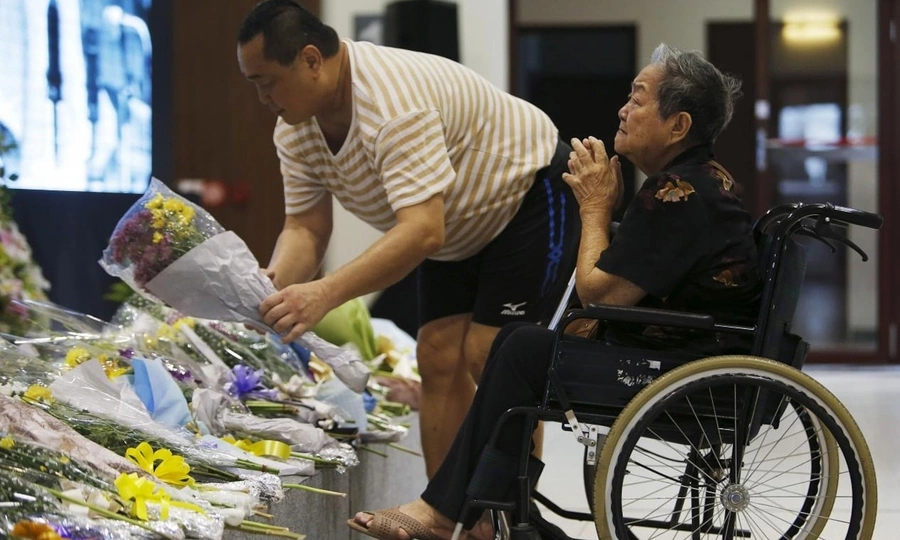
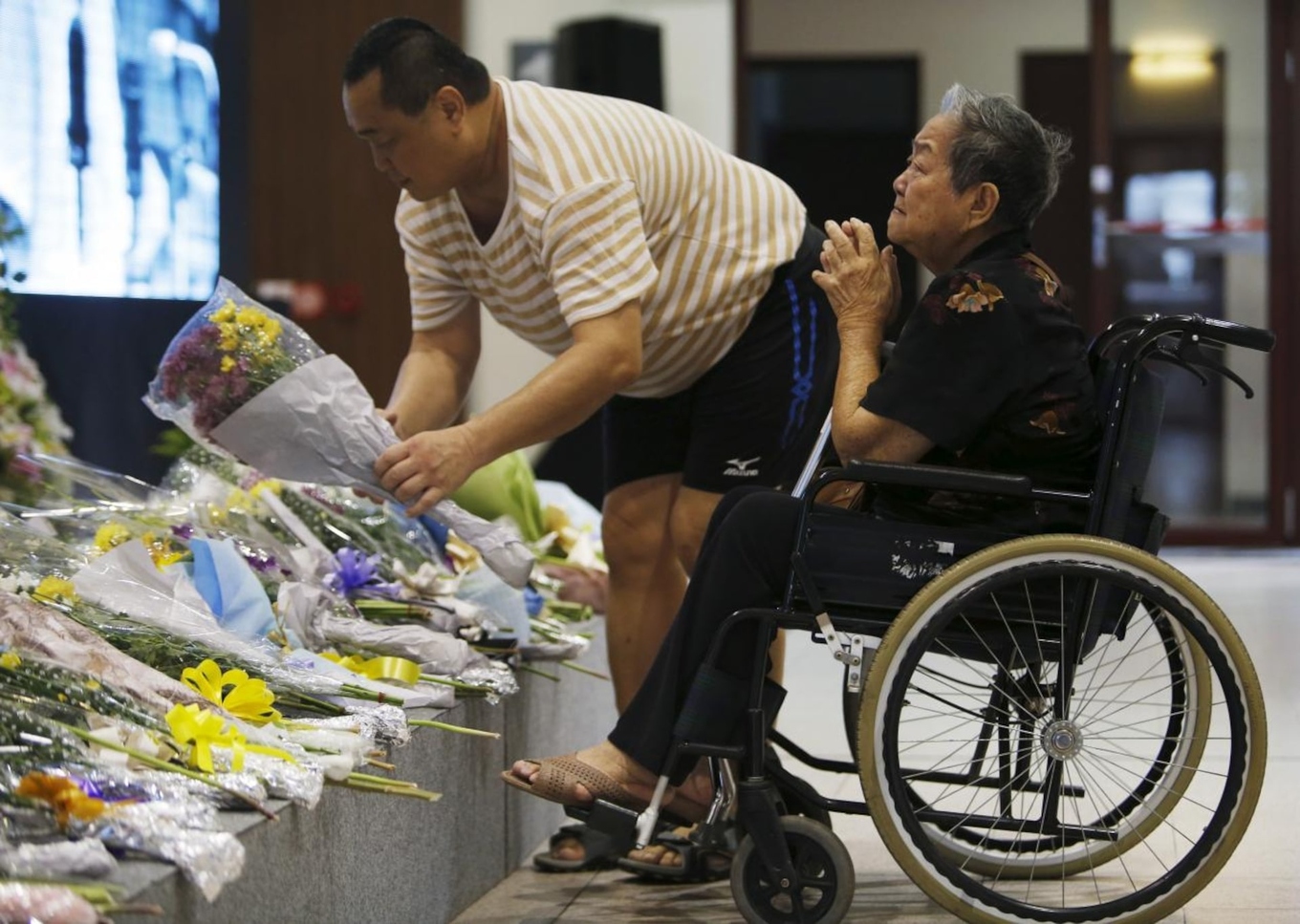
A woman in a wheelchair pays respects to late former prime minister Lee Kuan Yew at a memorial site in Singapore, March 23, 2015. Photo by Reuters |
According to the Ministry of Health, ElderFund is available to Singaporean citizens aged 30 and older who require full assistance with at least three of six basic daily activities. These include feeding, dressing, toileting, washing, mobility, and transferring between a bed and a chair.
Applicants must also meet strict financial criteria, including a monthly per-capita household income of $1,500 or less and MediSave account balances below $10,000.
Eligible recipients can receive up to $250 a month to help cover their care needs, provided they continue to meet the qualifying criteria.
ElderFund was specifically designed as a safety net for severely disabled individuals who do not qualify for other national long-term care programs like CareShield Life.
It also assists those who have exhausted their benefits from ElderShield or the Interim Disability Assistance Program for the Elderly (IDAPE), which typically cap payouts at six years, leaving some in need of continued financial support.
KioskNews shows a cleaned-up reading view extracted from the publisher’s page — the original always lives on their site, not ours.