Our floods are predictable but is our preparedness erratic?
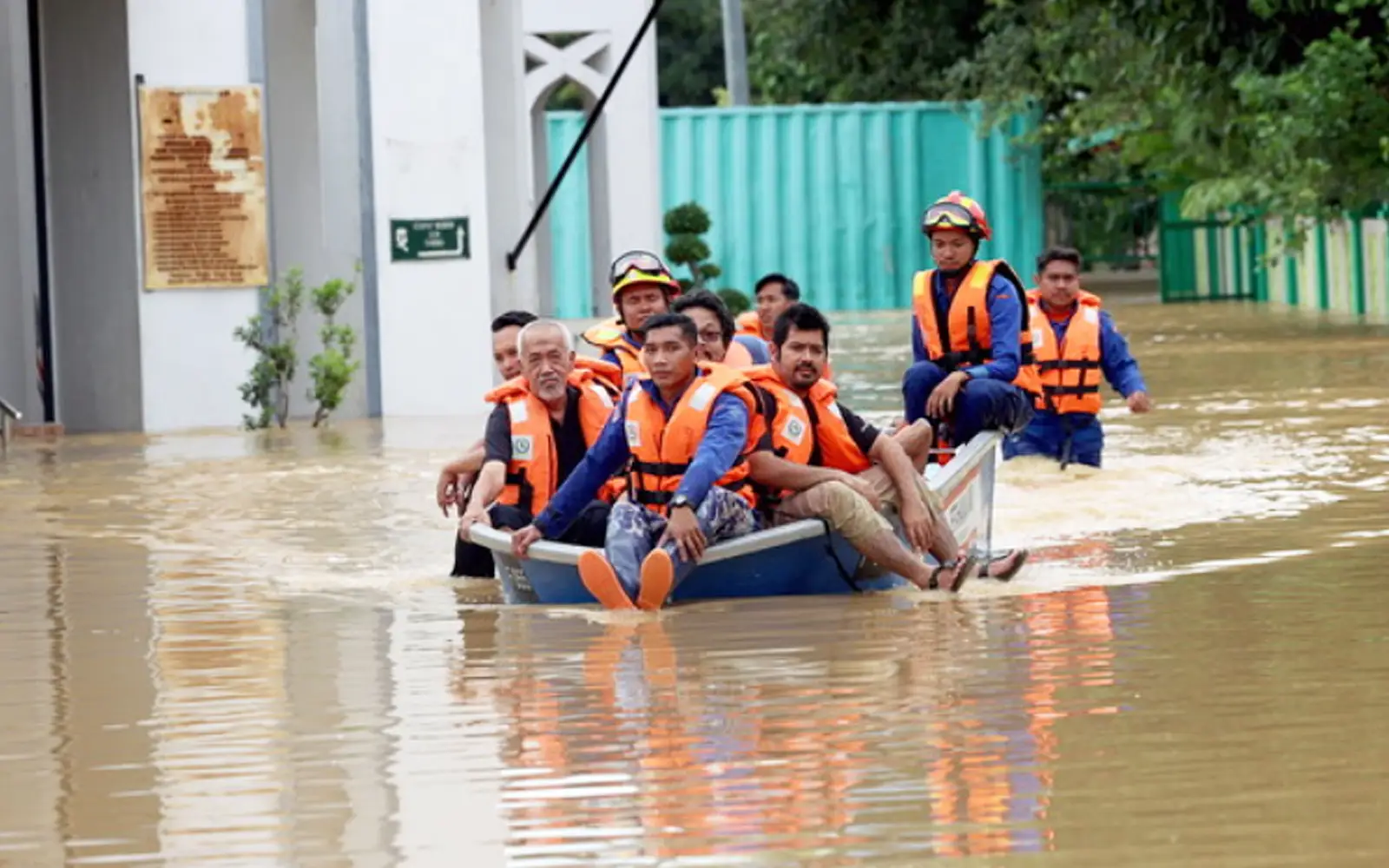

While many of us count down to year-end holidays, part of Malaysia anxiously watches the skies. Along the east coast, prolonged monsoon downpours swell rivers and isolate villages. Eastern Johor faces similar dangers.
For city dwellers, the threat is close to home. Flash floods in Kuala Lumpur and the Klang Valley can overwhelm roads within minutes. The patterns differ, but families face the same question: will help reach us when it matters?
The clock began ticking when the northeast monsoon started on Oct 27. The meteorological department forecasts three to five episodes of prolonged heavy rain between November and January. We cannot predict precisely which streets will flood, but we know the season and can prepare.
Repeated flooding can numb us to its seriousness. Yet, it is no mere inconvenience or property problem. People drown, suffer injuries or develop infections after contact with contaminated water. Temporary shelters require safe water, sanitation and infection control. And the damage to health continues beyond the floodwater: a dialysis patient cannot reach treatment, a family loses essential medication, an older person living alone cannot evacuate. Preparedness must protect health as well as homes.
What arrangements does Malaysia already have? Quite a few.
The National Disaster Management Agency (Nadma) coordinates disaster management through national, state and district structures.
Its revised 2024 directive assigns responsibilities to government agencies and sets out how businesses and voluntary organisations can participate. Community-based disaster risk management programmes help residents identify local risks and develop action plans. Rakan Nadma provides a channel for civil society involvement.
These are meaningful foundations. The directive already provides for the district coordination of volunteers and resources, while Nadma’s strategic plan seeks better community participation and reporting of NGO activities.
We do not necessarily need another framework. We need to know whether those already in place work when tested.
Imagine a district exercise. Can a local team identify an older resident who needs assistance, organise safe transport, arrange alternative dialysis care and confirm that help has arrived? Counting training certificates or meetings cannot answer that. Emergency medical teams already conduct disaster exercises. Flood scenarios should be a regular, practical part of such training, involving local authorities, healthcare providers and community groups together.
One area deserving particular attention is how we use Malaysia’s considerable civil society capacity. During the November 2025 floods in Hat Yai, southern Thailand, Malaysian Sikh humanitarian organisations, volunteer fire brigades and other groups helped with evacuation and relief alongside the authorities.
Malaysia’s foreign ministry reported that more than 15 Malaysian groups participated in the wider operation, which evacuated 6,222 stranded Malaysians. That was a collective effort, but it showed what organised citizens can contribute.
We should make it easier for those capabilities to be used here. Before floods, districts should know which organisations have trained boat crews, trucks, kitchens, healthcare teams or storage space. New groups offering assistance need a clear, rapid route to have their capabilities assessed and receive useful assignments. Specialist rescue must remain under trained command. Other volunteers can help with welfare checks, supplies and recovery. All quarters need appropriate communication, protective equipment and clarity about operating costs. Courage is invaluable but it is not a replacement for safety.
Reliable information matters just as much. Previous floods saw relief supplies repeatedly delivered to some evacuation centres while other communities went underserved. The solution is not necessarily another app. Responders need a shared, updated picture of what is needed, what has been offered, who has been assigned and whether assistance arrived. That picture must include families who remain at home, and it must be accessible even when communications are disrupted.
Nor is preparedness solely the federal government’s responsibility. Local councils must maintain drains and address known hotspots. Health facilities must test how essential treatment will continue. Businesses can commit transport and storage. Residents’ associations can identify neighbours who need help and practise evacuations. Households with the means can prepare medicines, documents and emergency contacts. But shared responsibility does not excuse the government from providing infrastructure, professional rescue services and protection for vulnerable people.
Flood defences remain necessary, even though no drainage system or river barrier can eliminate every risk. Preparing people and services for flooding complements investments in preventing it.
And this is no longer a conversation confined to distant rural districts in Kelantan.
The same questions now face district offices and city councils across the Klang Valley. They, too, must be able to explain which plans have been tested, which organisations can be mobilised, how essential healthcare will continue and what shortcomings were corrected after the last flood.
The measure of preparedness is not simply how much help appears when waters rise. It is how much avoidable suffering we prevent before they do.
The views expressed are those of the writer and do not necessarily reflect those of FMT.
Subscribe to our newsletter and get news delivered to your mailbox.
KioskNews shows a cleaned-up reading view extracted from the publisher’s page — the original always lives on their site, not ours.