Samsung Slices at Apple’s iPhone Duo With Its Z Fold 8 Ad

Samsung’s new Galaxy Z Fold 8 advertisement makes a direct jab at Apple’s iPhone Duo for its late arrival into the foldable phone market. In an Instagram video, Samsung’s “Slice” ad shows off an apple (the fruit, not the company) that’s chopped into pieces before one slice rolls along past the Galaxy Z Fold lineup, spanning from 2019 to 2026’s Z Fold 8.
It’s not unusual for phone-makers to bash Apple for bringing features and hardware ideas to the iPhone long after they’ve been available on Android devices. Samsung’s $1,900 passport-style Z Fold 8, which debuted in July, has a similar shape to the $1,999 iPhone Duo that debuted in September.
Samsung has also had years to optimize its One UI 9.0 software overlay for foldable phones, with plenty of options that take advantage of the phone’s larger and smaller displays. While the Duo does run Apple’s iOS 27, my colleague Abrar Al-Heeti noted in her review that third-party apps and services are still being optimized for different screens. The Duo is breaking new ground on iOS as Apple’s first foldable phone, but that also gives rivals like Samsung the opportunity to poke a little fun at Apple in their advertising.
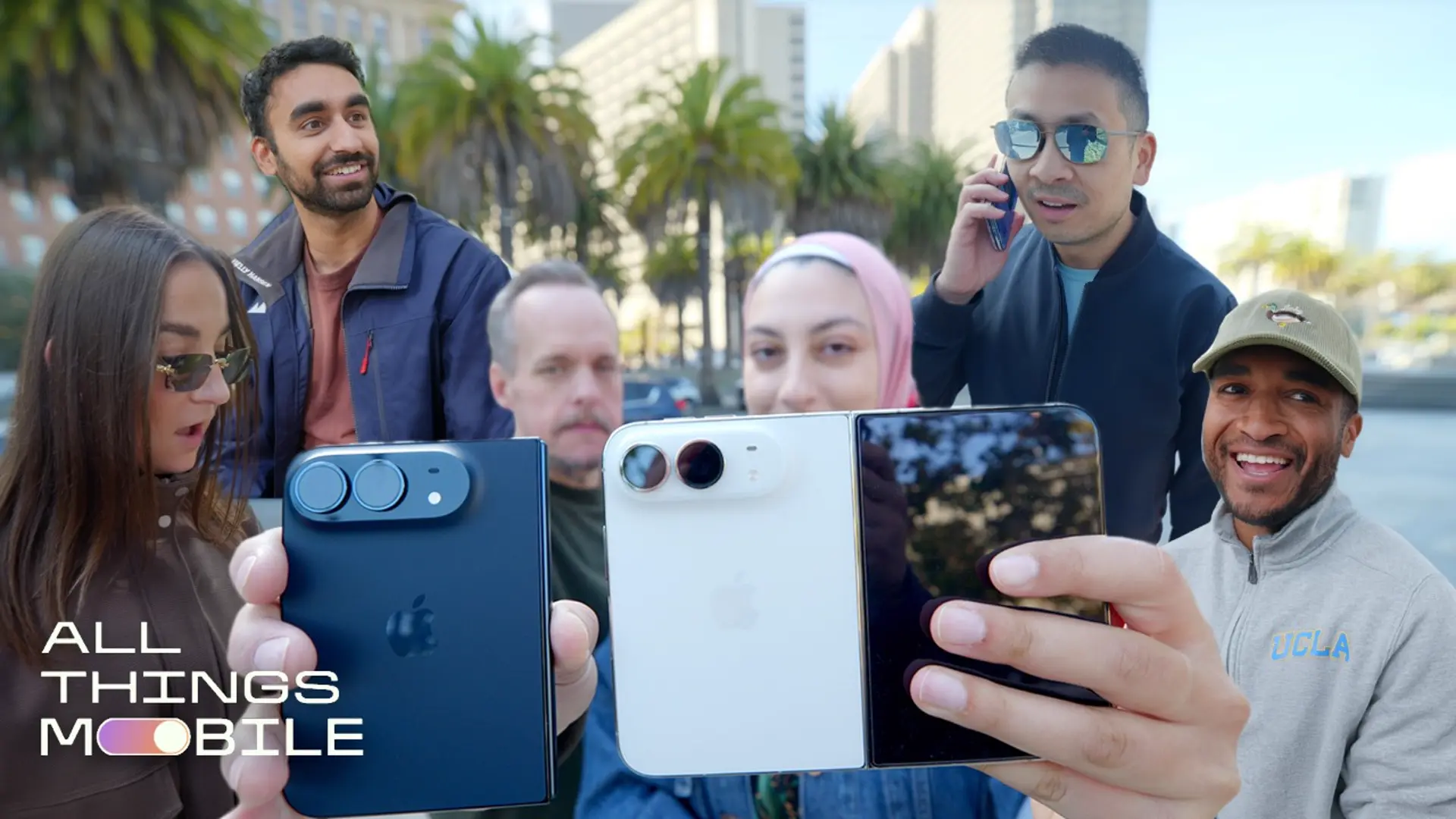
Samsung’s ad ends by touting that the Z Fold 8 is thinner and lighter than the iPhone Duo, which Samsung was able to achieve in part by using a new display tech called Flex Titanium and higher-capacity silicon-carbon battery tech.
While it’s fair to say that the iPhone Duo is late to the party, the company has a history of catching up quickly with its competitors. Apple began including wireless charging with 2017’s iPhone 8, years after other Android rivals. Now, Apple has helped develop the Qi2 wireless charging standard with faster speeds and magnets, and last spring the iPhone 17 Pro won CNET’s Lab Test of fastest wireless charging.
But until Apple’s new foldable phone is firmly established, I wouldn’t be surprised to see other foldable phone-makers like Google or Motorola creatively slice up Apple for waiting until 2026.
KioskNews shows a cleaned-up reading view extracted from the publisher’s page — the original always lives on their site, not ours.