Pioneering heart stem cell expert Li Renke dies at 65 during a Chinese conference
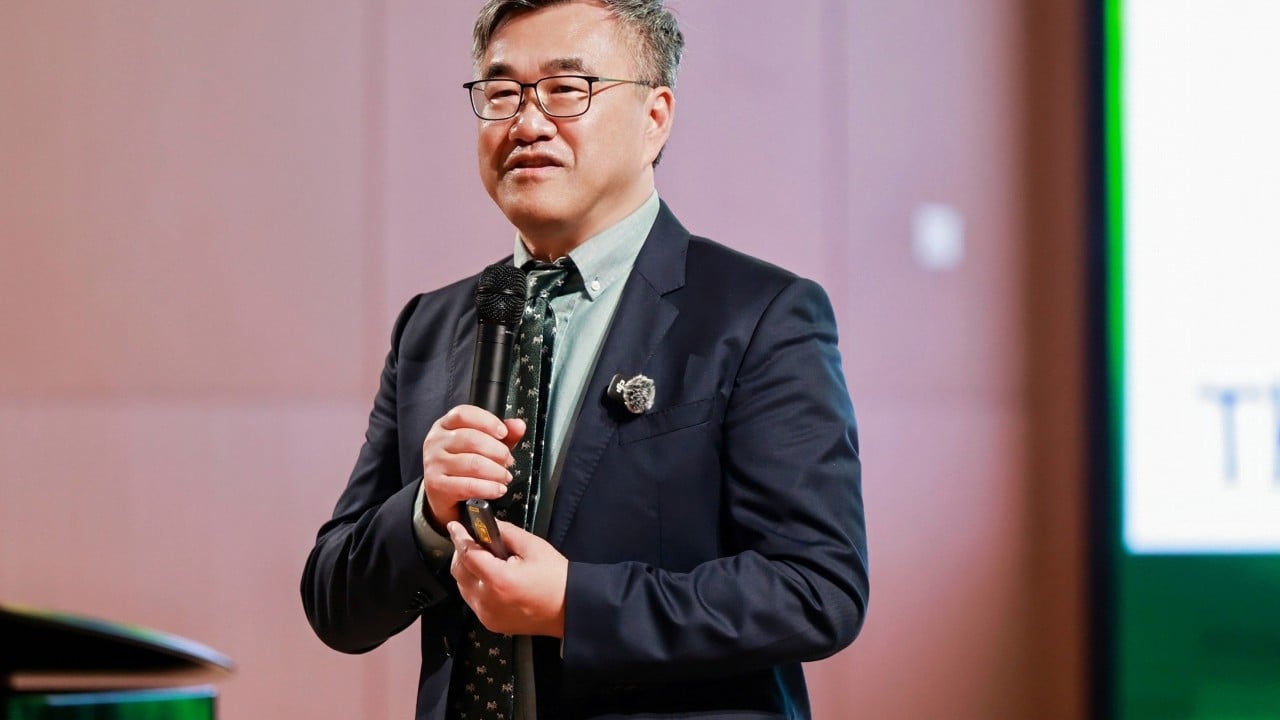
Li Renke, a visionary cardiovascular scientist who applied engineering principles to the human heart and developed conductive biomaterials to repair tissue damaged by heart attacks, died while attending an academic conference in the Chinese city of Xian earlier this month. He was 65.
His death on October 10 was announced by The Chinese University of Hong Kong, Shenzhen (CUHK-Shenzhen), where he was presidential chair professor and associate dean of research and translation at the school of medicine, which he joined in March last year.
The university did not specify the cause of death.
Li was born in Harbin, Heilongjiang province, in 1961. He completed his medical and scientific education at Harbin Medical University, Shanxi Medical University and the University of Toronto in Canada.
In 1993, he joined the medicine faculty at the University of Toronto as an assistant professor, rising to the rank of tenured professor in 2002.
Over a prolific career in Canada, Li’s research earned him election to three of the country’s most prestigious academic bodies: the Canadian Academy of Health Sciences, the Royal Society of Canada and the Canadian Academy of Engineering.
For decades, one of the most formidable challenges in cardiology has been finding a way to regenerate infarcted heart muscle.
02:39
China’s self-powered neural device helps stroke survivors walk naturally
Li tackled this challenge at the intersection of tissue engineering and cell therapy, pioneering functional, conductive biomaterials designed to restore the heart’s electrical conduction network and treat post-infarction arrhythmia.
He was included in the 2025 Global Top 0.05 per cent Leading Scientists Lifetime Achievement List released by ScholarGPS, ranking first in the world in cardiac physiology.
An advocate for international collaboration, Li was the founding chair of the Toronto Chinese Professors Association.
Throughout his career, he worked to advance medical science and technology exchanges between China and Canada, building enduring academic bridges between the two research communities.
Alongside his laboratory advances, Li placed deep emphasis on nurturing the next generation of researchers.
Over the course of his career, he mentored more than 120 postdoctoral fellows, doctoral candidates and graduate students, over 30 of whom have gone on to become professors or clinical scientists at leading universities across China and abroad.
A farewell ceremony was held for Li at the Xian Funeral Home on Thursday. A memorial service will take place on Saturday at CUHK-Shenzhen campus.
KioskNews shows a cleaned-up reading view extracted from the publisher’s page — the original always lives on their site, not ours.